Why Your Garage Heating Strategy Probably Needs a Reset
Most homeowners treat their garage like an afterthought. We spend thousands insulating our attics and upgrading our home windows, only to stick a cheap, inefficient space heater in the garage and wonder why the electric bill skyrockets or the space never actually gets warm. Here is the thing: heating a garage is fundamentally different from heating a living room. You are dealing with concrete slabs that act as heat sinks, oversized doors with poor seals, and often, a complete lack of wall insulation.
As an energy advisor, I have seen too many people fall into the trap of buying the biggest heater they can find, thinking raw power solves everything. In reality, an oversized heater in an uninsulated space is just a recipe for short-cycling and wasted money. To get workshop warmth without the financial headache, you need to understand the relationship between your heat source and the structure it lives in.
Tools and Materials Needed for Selection and Setup
Before you even browse a catalog, you need to gather some data. This isn't just about the heater itself; it is about the infrastructure required to support it.
- Measuring Tape: To calculate the total cubic footage of the space.
- Infrared Thermometer: Essential for identifying draft points around doors and windows.
- Voltage Tester: To confirm if your existing outlets can handle the load.
- Calculated Heat Loss Worksheet: A simple chart to track window count and insulation R-values.
- Weatherstripping and Caulk: Because no heater can outwork a draft.
Preparation: The Foundation of Efficiency
Now, the important part: you cannot heat a sieve. If your garage door is a single sheet of uninsulated aluminum and your side door has a half-inch gap at the bottom, your heater will be running 24/7. This is where most people miss the mark. They focus on the heater when they should focus on the envelope.
Assess Your Insulation
Check the walls. If they are unfinished, you are looking at a major heat loss point. On the other hand, if they are finished but feel ice-cold to the touch, there may be no batts behind the drywall. Worth mentioning is the ceiling; heat rises, and if your garage has a loft or attic space that isn't insulated, that is exactly where your expensive warm air is headed.
Evaluate Your Power Supply
This is where it gets interesting for those considering an electric garage heater. Most high-output electric units require a 240V circuit, similar to a clothes dryer or an electric range. If your sub-panel only has 120V outlets, you are limited to portable units that won't do much more than warm your toes. Before buying, verify if you have the physical space in your breaker box for a double-pole breaker.
How to Choose the Right Heater for Your Space
Choosing between a propane shop heater and an electric model involves more than just the purchase price. You have to look at the long-term operational costs and the specific layout of your workshop.
Step 1: Calculate Your Required BTUs
The standard rule of thumb is 45 to 50 BTUs per square foot for a workspace, but that assumes a standard ceiling height. If you have 12-foot ceilings, you need to calculate by volume. A 20x20 garage with high ceilings has significantly more air to move than one with an 8-foot ceiling. Multiply your total cubic feet by 4 or 5 depending on how well the space is insulated.
Step 2: Decide Between Electric and Gas
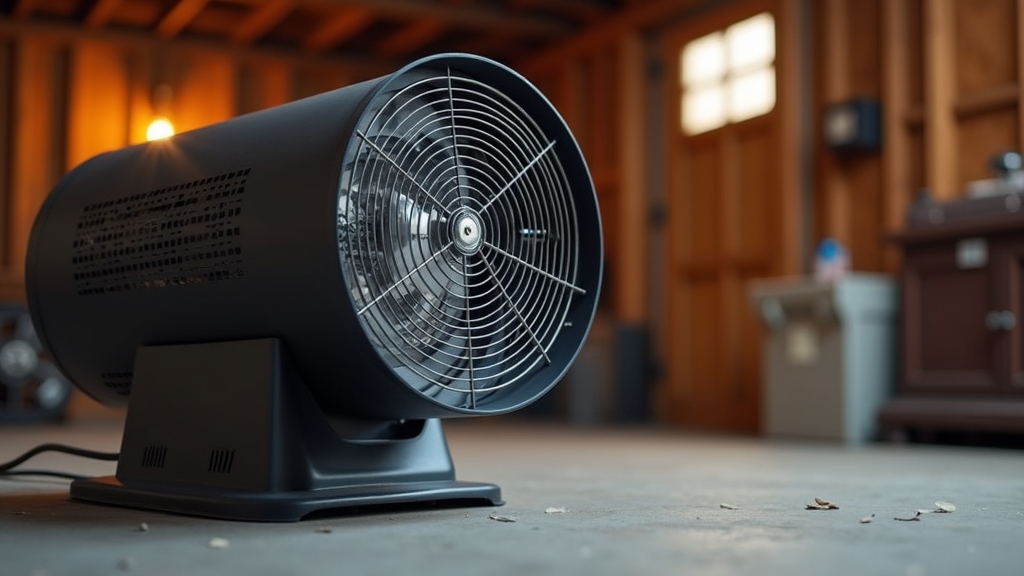
Electric garage heaters are generally cheaper to install but more expensive to run in regions with high utility rates. They are clean, quiet, and don't require venting. Propane or natural gas heaters are incredibly powerful and heat up a space rapidly. However, they require proper venting to prevent carbon monoxide buildup. If you choose a ventless propane model, keep in mind they add moisture to the air, which can lead to rusted tools over time.
Step 3: Determine Mounting and Placement
Don't just sit the heater in a corner. For the best results, mount your heater in a corner aimed at a 45-degree angle toward the center of the room. This creates a circular airflow pattern. Something to keep in mind is that the heater should be placed away from the thermostat to prevent it from shutting off prematurely because it thinks the whole room is warm when only the corner is.
Common Mistakes: Lessons from the Field
I have visited dozens of homes where the owner was frustrated with their workshop warmth. Here are the recurring errors:
- Underestimating the Concrete: A cold concrete slab is a massive thermal mass. If you only turn the heater on when you walk into the garage, it will take hours to feel comfortable because the floor is still radiating cold. The good news is that keeping the heater on a low "maintenance" setting is often more efficient than trying to blast it from 30 to 60 degrees in twenty minutes.
- Ignoring Safety Clearances: People often hang heaters too close to the ceiling or near stored cardboard boxes. Most units require at least 6-10 inches of clearance from the ceiling and 3 feet from any combustible materials.
- Skipping the Thermostat Upgrade: Using the built-in dial on a cheap unit is often inaccurate. Installing a dedicated wall-mounted thermostat at eye level provides a much truer reading of the room's temperature.
Tips for Maximum Efficiency
To keep those utility bills in check, consider these pro tips. First, install a ceiling fan. Running it in reverse (clockwise) at a low speed pushes the warm air trapped at the ceiling back down to the floor level. This single move can reduce your heating needs by 10-15%.
Second, focus on radiant heat if you have a specific workstation. If you spend 90% of your time at a workbench, a radiant electric heater pointed directly at you is far more efficient than trying to heat the entire 2-car garage. Radiant heat warms objects (you), not the air.
Troubleshooting Common Garage Heating Issues
If your heater is running but you are still shivering, check these three things. First, the air filter. Many shop heaters have basic filters that get clogged with sawdust or drywall dust quickly. This restricts airflow and can cause the unit to overheat and shut down.
Second, check for "short cycling." This happens when the heater turns on and off every few minutes. It is usually caused by the thermostat being too close to the heat discharge or the heater being significantly oversized for the room. Finally, if you smell gas or see a yellow flame on a propane unit, shut it down immediately. A healthy flame should be blue; yellow indicates improper combustion and a risk of carbon monoxide.