Overview: Restoring Peace to Your Home
A noisy garage door is more than just a morning nuisance; it is often a cry for help from your home’s largest moving part. From a sustainability perspective, maintaining your garage door is a form of radical conservation. By addressing a garage door squeak early, you prevent premature wear and tear that leads to metal components ending up in a landfill. In this guide, we will walk through the process of silencing the clatter using eco-friendly practices and the right materials. The good news is that most homeowners can handle these tasks in under an hour without calling a professional.
Tools and Materials Needed
Before you begin, gather your supplies. Here is the thing: using the wrong lubricant is the primary reason most DIY fixes fail within a month. You need specific products that won't attract dust or degrade in extreme temperatures.
- Silicone-based or Lithium Spray Lubricant: Look for 'high-performance' varieties. Avoid standard degreasers.
- A Sturdy Step Ladder: Ensure it is tall enough to reach the overhead track comfortably.
- Wrench and Socket Set: For tightening loose nuts and bolts.
- Microfiber Cloths or Old Rags: For cleaning the tracks and wiping away excess oil.
- A Vacuum with a Crevice Tool: To remove debris from the tracks.
- Safety Glasses and Gloves: To protect yourself from falling debris or spray.
Common Mistakes: What Most People Miss
What most people miss is the distinction between a lubricant and a cleaner. The biggest mistake homeowners make is spraying WD-40 on their garage door tracks. Traditional WD-40 is a degreaser and a solvent, not a long-term lubricant. It will initially quiet the door, but it actually strips away existing grease and eventually attracts more grit, making the noise worse over time.
Another common error is lubricating the tracks themselves. Worth mentioning: the tracks do not need oil. Lubricating the tracks causes the rollers to slip rather than roll, which creates flat spots on the rollers and leads to a rhythmic thumping sound. Instead, you should keep the tracks clean and dry. On the other hand, people often forget the torsion spring. This massive coil above the door is under immense tension and is a frequent source of loud metallic groans.
Preparation Steps
Now, the important part: safety first. Disconnect the garage door opener by pulling the red emergency release cord. This allows you to move the door manually to feel for resistance and ensures the motor won't activate while your fingers are near the moving parts. This is where it gets interesting—by moving the door by hand, you can often pinpoint exactly where the squeak originates. If the door feels heavy or difficult to lift, you may have a balance issue rather than just a lubrication problem.
Next, use your vacuum and a damp rag to clean the interior of the tracks. Remove any spider webs, hardened grease, or gravel. A clean track is the foundation of a quiet garage door. Check for any visible damage like bent hinges or frayed cables. If you see frayed cables, stop and call a professional, as these are under high tension and can be dangerous.
Step-By-Step Instructions for a Quiet Garage Door
Step 1: Tighten the Hardware
Garage doors vibrate constantly. Over time, this vibration loosens the nuts and bolts holding the tracks and hinges in place. Take your wrench and check every bolt on the door and the track system. Do not over-tighten; a simple snug fit is sufficient. If a bolt spins freely, the hole may be stripped, requiring a slightly larger screw or a wood filler fix for wooden doors.
Step 2: Lubricating Garage Rollers
This is where you make the biggest impact. If you have plastic rollers, only lubricate the small ball bearings inside the center of the roller. Do not spray the plastic wheel itself. If you have steel rollers, apply a small amount of lubricant to the bearings. Something to keep in mind: if your rollers are wobbly or the metal is worn thin, the most sustainable choice is to replace them with nylon rollers with sealed bearings. They are significantly quieter and last much longer than steel.
Step 3: Addressing Hinges and Pivots
Apply a single spray of lubricant to each hinge point where the door panels bend. Focus on the pivot points where metal rubs against metal. After spraying, wipe away any excess. You want the lubricant inside the joint, not dripping down the face of your garage door. Excess oil attracts dust, which creates a grinding paste over time.
Step 4: The Springs and Bearing Plates
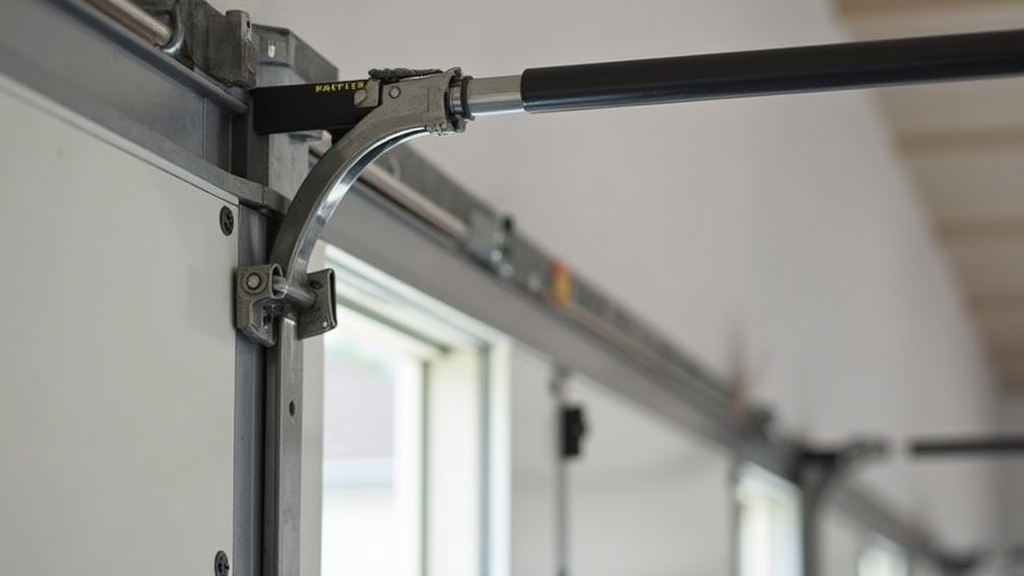
The torsion spring (the large coil above the door) needs a light coating of lubricant. This prevents the coils from binding against each other as they expand and contract. You don't need a lot—just enough to create a thin film. Also, lubricate the bearing plates located at both ends of the spring bar. This reduces friction as the entire assembly rotates.
Step 5: The Opener Rail
If you have a chain-drive or screw-drive opener, the rail needs attention. Use a rag to apply a thin layer of white lithium grease to the top of the rail where the trolley travels. If you have a belt-drive opener, do not lubricate the belt. Belts are designed to be dry. Lubricating a belt will cause it to slip and eventually fail.
Tips for Best Results
To keep your garage door quiet year-round, perform this maintenance twice a year—once in the spring and once in the autumn. Temperature changes cause metal to expand and contract, which is when most noises begin. For a truly eco-friendly approach, choose lubricants that are labeled as biodegradable or low-VOC. Keeping your door well-lubricated also reduces the strain on the electric motor, which saves energy and extends the life of the appliance.
Troubleshooting Common Issues
If you have completed the lubrication and the door is still noisy, look for these specific issues:
- Scraping Sounds: This usually means the door is out of alignment. Check if the tracks are perfectly vertical. You may need to loosen the mounting brackets slightly to adjust the track position.
- Popping Noises: This often indicates a worn-out roller or a hinge that is binding. Replace the offending part immediately to prevent damage to the track.
- Vibrating Opener: If the motor itself is vibrating loudly against the ceiling, consider installing rubber vibration isolators between the motor brackets and the ceiling joists.
Conclusion
A quiet garage door is a sign of a healthy, well-maintained home. By taking these steps, you are not only making your daily life more pleasant but also practicing sustainable homeownership. You are extending the life of complex mechanical parts and ensuring your home operates at peak efficiency. Remember, the key is consistency and using the right materials. Happy fixing!