Understanding Garage Door Sensor Issues
In most homes, the garage door is the primary entry point, making its reliability essential for daily convenience and security. However, one of the most common issues homeowners face is a garage door that refuses to close, often accompanied by a clicking sound or flashing lights. From experience, the culprit is almost always the safety eye sensors. These small but critical components are designed to prevent the door from closing on people, pets, or vehicles. While they are simple devices, their placement at ground level makes them susceptible to environmental factors and physical interference.
The Role of Safety Eye Sensors
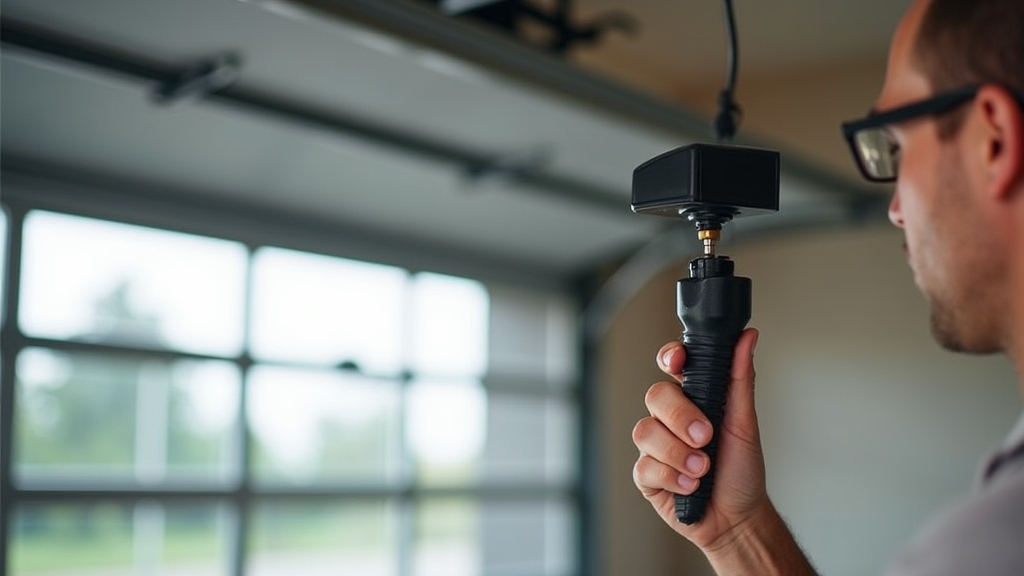
Safety eye sensors work as a pair: a sender and a receiver. The sender emits an infrared beam that the receiver must detect continuously to allow the door to close. What I have found is that even a slight interruption or misalignment can trigger the system's safety override, causing the door to reverse. In my experience, understanding the 'why' behind sensor failure is the first step toward a permanent fix rather than a temporary patch.
Root Causes and Contributing Factors
The real issue usually is not a mechanical failure of the motor itself, but rather a disruption of the communication between the two sensors. Several factors contribute to this breakdown over time.
Physical Misalignment
Because these sensors are mounted just a few inches off the floor, they are frequently bumped by trash cans, bicycles, or lawn equipment. A common situation is where a sensor bracket becomes slightly bent, moving the infrared beam just enough to miss the receiver. Over the years, I have learned that even a fraction of an inch of deviation can cause intermittent failure.
Environmental Accumulation
One thing many people overlook is how the outdoor environment impacts these indoor-outdoor components. Since they are located at the threshold of your home, they are magnets for dust, spider webs, and debris. In my work as a landscaping specialist, I often see how leaf blowers or high-wind events push grit and organic matter directly onto the sensor lenses, creating a physical barrier for the infrared light.
Wiring Degradation
The wires connecting the sensors to the overhead motor are often exposed or stapled along the garage walls. Moisture, pests (like mice), or simple wear and tear can cause the insulation to crack or the wires to disconnect. What works best is ensuring these wires are protected and have clean, tight connections at both the sensor and the motor terminals.
Immediate Steps to Take for Troubleshooting
When your garage door won't close, there are several immediate steps you can take to diagnose and fix the problem without specialized tools.
Step 1: Inspect the Lenses
Start by cleaning the lenses of both the sending and receiving sensors. Use a soft, microfiber cloth and a mild glass cleaner. Avoid using abrasive materials that could scratch the plastic lens, as scratches can permanently distort the beam. From experience, a simple wipe-down resolves about 50% of sensor-related issues.
Step 2: Check for Obstructions
The key thing to remember is that the beam path must be entirely clear. Even something as small as a stray leaf or a hanging spider web can break the connection. Look for small objects on the floor or dangling from the door tracks that might swing into the path of the beam as the door begins to move.
Step 3: Analyze the Indicator Lights
Most garage door sensors have LED indicator lights. Typically, one light is green and the other is amber or red. If both lights are solid, the sensors are aligned and powered. If one is blinking or dark, you have found the source of the problem. A blinking light usually indicates misalignment, while a dark light suggests a power or wiring issue.
Step 4: Manual Alignment
If the lights indicate a misalignment, you can often fix this by hand. Loosen the wing nut on the mounting bracket and gently pivot the sensor until the indicator light becomes solid. Once you find the 'sweet spot,' tighten the nut securely. I have found that using a string or a laser level across the garage floor can help ensure they are perfectly pointed at one another.
Long-Term Prevention Strategies
Fixing the sensors once is helpful, but preventing future failures is the goal for any homeowner. Here are strategies for a permanent solution.
Secure the Mounting Brackets
In many homes, the brackets provided with the garage door opener are made of thin, flexible metal. If your sensors frequently go out of alignment, consider reinforcing the brackets or mounting them directly to a more stable surface, such as the wooden door frame or the concrete foundation, rather than the flimsy track. What works best is a rigid mount that cannot be easily bumped or vibrated out of place.
Wire Management
Exposed wiring is a failure point waiting to happen. Over the years, I have learned that tucking the wires into a protective conduit or using heavy-duty staples (being careful not to pierce the wire) significantly extends the life of the system. Ensure there is enough slack at the sensor end to allow for minor adjustments, but not so much that the wire becomes a snag hazard.
Sunlight Interference Solutions
A common situation occurs during certain times of the year when the sun sits low on the horizon. The bright infrared light from the sun can 'blind' the receiving sensor. If you notice your door only fails at specific times of the day, you can create a 'sun shield' using a small piece of dark cardboard or a short length of PVC pipe over the sensor to shade the lens from direct sunlight while still allowing the beam from the sender to pass through.
When to Call a Professional
While most sensor issues are DIY-friendly, there are times when a certified technician is necessary. If you have verified the alignment, cleaned the lenses, and checked the wiring, but the door still fails to operate, the issue may lie within the logic board of the motor unit itself. Furthermore, if you suspect a structural issue with the garage door tracks or if the safety eyes need to be completely replaced and re-wired through the walls, a professional can ensure the work meets local safety codes. Remember, a garage door is a heavy piece of machinery; if the safety sensors are not functioning, it poses a significant risk to your household.