Introduction to Overhead Garage Storage
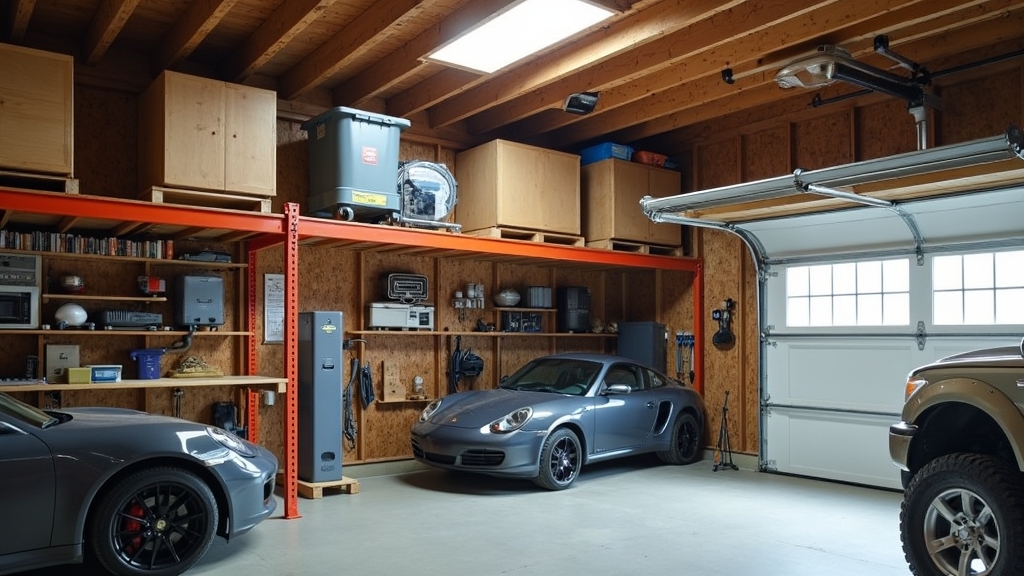
For many homeowners, the garage is a constant battleground between vehicles and clutter. We often focus on floor cabinets and wall hooks, but we frequently overlook the most valuable real estate in the room: the ceiling. Utilizing overhead storage space can effectively double your storage capacity without sacrificing a single square inch of floor space.
Here is the thing: while the concept of hanging racks seems straightforward, the execution involves structural considerations that can be intimidating. This guide explores the two primary paths for maximizing your garage’s 'fifth wall'—doing it yourself or hiring a professional—to help you decide which route fits your skills, budget, and safety requirements.
Understanding Overhead Storage Options
Before diving into the installation methods, it is important to understand what we mean by overhead storage. Typically, this refers to heavy-duty steel racks suspended from the ceiling joists. These systems are designed to hold bulky items like holiday decorations, camping gear, and seasonal tires.
Now, the important part to remember is that these systems are not 'one size fits all.' They come in various dimensions, with the most common being 4x8 foot or 4x4 foot platforms. Some are stationary, while others use pulley systems to lower the rack for easier access. Regardless of the style, the goal remains the same: storing seasonal items out of the way to make room for daily activities.
The DIY Installation Approach
For the handy homeowner, installing garage ceiling racks is a popular weekend project. It requires a decent set of tools and a clear understanding of your home’s framing.
Pros of DIY Installation
- Cost Savings: You avoid labor fees, which can often equal or exceed the price of the hardware itself.
- Customization: You can take your time to measure and place the racks exactly where they fit best around existing obstacles like lights or garage door openers.
- Skill Building: Completing a structural project provides a sense of accomplishment and increases your familiarity with your home's construction.
Cons of DIY Installation
- Physical Demand: This is a two-person job that requires holding heavy steel components over your head while standing on a ladder.
- Tool Requirements: You will need a stud finder, a powerful drill, a socket set, and potentially a laser level.
- Risk of Error: What most people miss is that missing a ceiling joist by even an inch can lead to a catastrophic failure once the rack is loaded with weight.
The Professional Installation Route
Hiring a specialist for overhead storage installation is becoming more common as homeowners prioritize safety and speed. These pros often specialize specifically in garage organization systems.
Pros of Professional Installation
- Structural Assessment: Professionals can identify whether your joists are capable of supporting the intended weight, which is critical in newer homes with engineered wood trusses.
- Speed and Efficiency: What might take a DIYer a full day usually takes a professional two hours.
- Warranty and Liability: Most companies provide a lifetime warranty on the installation and carry insurance, providing peace of mind.
Cons of Professional Installation
- Higher Initial Cost: You are paying for expertise, tools, and time.
- Scheduling: You have to work around a contractor's availability, which might not align with your immediate needs.
Cost Comparison
This is where it gets interesting for the budget-conscious homeowner. The price gap between DIY and professional services is often narrower than people expect when you factor in all variables.
On one hand, a DIY rack might cost between $150 and $300 per unit. If you already own the tools, that is your total out-of-pocket expense. On the other hand, professional installation typically ranges from $400 to $800 per rack, including the hardware. While the professional route is roughly double the cost, the good news is that many companies offer discounts for installing multiple units simultaneously, which can bring the per-unit cost down significantly.
Safety and Structural Considerations
Regardless of who installs the system, safety is the primary concern. Worth mentioning is the fact that most residential garage ceilings are designed to hold the weight of the drywall and perhaps some light attic storage, not thousands of pounds of gear.
A critical step is ensuring the lag bolts are centered in the ceiling joists. If you are DIYing, you must verify the direction of your joists and ensure you are not drilling into electrical conduits or plumbing lines. Something to keep in mind is that many modern homes use pre-engineered trusses which have specific load-bearing limits defined by the manufacturer; exceeding these can compromise the integrity of your roof.
Garage Organization Tips for Overhead Racks
Once your racks are installed, how you use them determines their value. Here are a few garage organization tips to maximize the utility:
- Use Clear Totes: Storing seasonal items in transparent bins allows you to see the contents from the ground without having to climb a ladder.
- Weight Distribution: Always place the heaviest items near the support posts and lighter items in the center of the rack.
- Label Everything: Label the bottom of the bins, not just the sides, so you can read them from below.
- Clearance Check: Ensure your racks do not interfere with the travel path of the garage door or the height of your tallest vehicle.
Best Use Cases for Each Method
Choosing between DIY and professional installation often comes down to your specific situation.
When to DIY
- You have experience with structural projects and are comfortable working on a ladder.
- Your garage has exposed rafters, making joist identification easy.
- You are on a strict budget and own the necessary power tools.
When to Hire a Professional
- You have a finished ceiling where joists are hidden and difficult to locate.
- You intend to store high-value items where a failure would be financially devastating.
- You have physical limitations that make overhead lifting or ladder work dangerous.
Final Recommendation
In my experience as a renovation consultant, I usually recommend the DIY route for homeowners who have basic carpentry skills and a helper. However, if your garage ceiling is exceptionally high (over 10 feet) or if you are dealing with complex engineered trusses, the professional route is almost always worth the investment. The peace of mind knowing that several hundred pounds of storage won't fall on your car is worth the extra labor cost.