The One-Car Garage Challenge: Why Every Inch Matters
Here is the thing: most homeowners treat their garage as a final resting place for items they aren't ready to throw away. In a narrow, one-car garage, this habit quickly leads to a 'storage locker' mentality where you can no longer fit your actual vehicle. This problem happens because we lack a fluid system; we treat the garage as a static room rather than a seasonal transition zone. When you are dealing with a small footprint, your layout must evolve throughout the year to remain functional.
Phase 1: Spring – The Foundation of Vertical Storage
Now, the important part of any small garage renovation is getting everything off the floor. In the spring, as you pull out gardening tools and patio furniture, it is the perfect time to install a heavy-duty wall track system. Unlike fixed shelving, track systems allow you to slide hooks and bins horizontally as your needs change.
The Vertical Strategy
What most people miss is the 'upper third' of their walls. For narrow garage solutions, I recommend installing cabinets or open shelving at least 6 feet high. This keeps the ground level clear for car doors to swing open without hitting bins. Worth mentioning: always use French cleats or heavy-duty steel rails; plastic pegboards tend to warp under the humidity of a garage environment.
Phase 2: Summer – Optimizing the Narrow Layout
This is where it gets interesting. In the summer, your garage becomes a hub for bikes, kayaks, and sports gear. In a narrow garage, traditional floor racks are your enemy. Instead, look at ceiling-mounted hoist systems. Using a pulley system to store a kayak or a roof-top cargo box above the hood of your car utilizes 'dead space' that otherwise goes to waste.
Workstation Efficiency
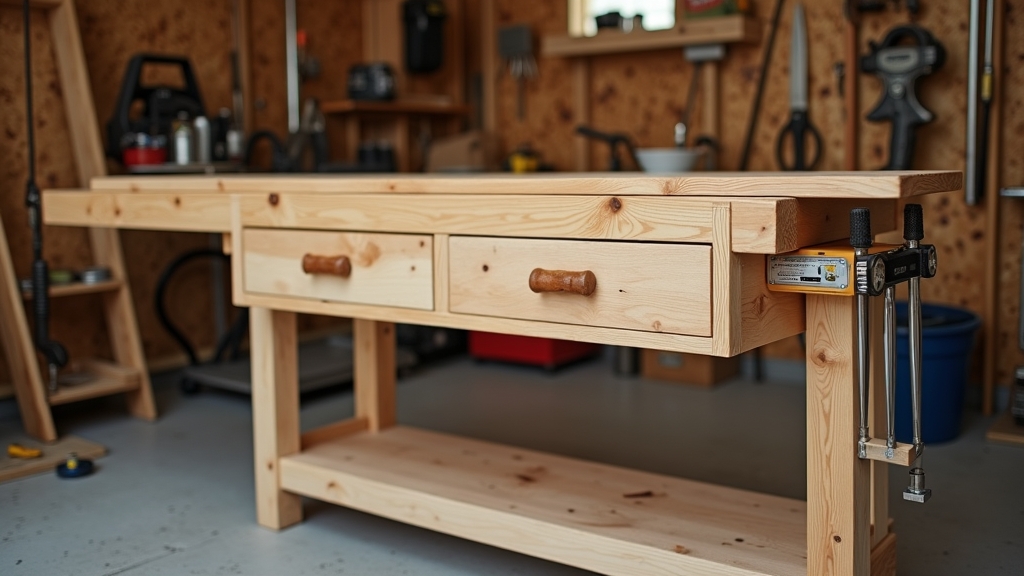
If you need a workspace, do not buy a fixed workbench. The good news is that high-quality folding, wall-mounted workbenches can support up to 500 lbs and fold flat when the car is parked. This is a game-changer for one-car garage ideas because it preserves the primary function of the room while offering secondary utility.
Phase 3: Autumn – The Great Rotation
As the weather cools, your garage layout needs to flip. This is the time for a 'Seasonal Rotation.' Move the lawnmower and summer tires to the back or onto overhead racks. Bring the snow blower and winter salt to the most accessible 'Goldilocks zone'—the area between your waist and shoulders near the garage door.
Zoning for Success
Something to keep in mind is the 80/20 rule: 80% of your activity involves 20% of your items. By grouping items into zones (Gardening, Automotive, Holiday, Sports), you reduce the time spent digging through boxes. On the other hand, failing to label these zones leads to 'clutter creep,' where items from different seasons bleed into each other, eating up your floor space.
Phase 4: Winter – Protection and Accessibility
Winter is the ultimate test of a small garage. If your storage is too bulky, you'll find yourself scraping ice off your windshield because the car stayed in the driveway. Focus on 'Slimline' storage. Use magnetic strips for small hand tools and overhead bins for bulky holiday decorations.
The Moisture Factor
A common mistake during winter is ignoring drainage. In a small space, melting snow from your car can spike humidity levels, leading to rust on your tools. Ensure your shelving is powder-coated steel or resin, and keep items in airtight plastic bins rather than cardboard boxes, which act like sponges for road salt and moisture.
Practical Tips from the Renovation Frontlines
- Lighting is a Space Multiplier: A dark garage feels smaller. Replace your single bulb with LED shop lights or linkable 'honeycomb' lights. Better visibility makes it easier to keep organized.
- The Tennis Ball Trick: In a narrow garage, parking precision is key. A hanging tennis ball ensures you pull in deep enough to close the door but leaves enough room to walk around the front.
- Floor Coatings: Polyaspartic or epoxy coatings don't just look good; they reflect light and make it easier to spot small parts you’ve dropped, making the space feel more like an intentional room and less like a cave.
Common Mistakes to Avoid
Don't fall for the 'Uniform Bin Trap.' Buying thirty identical opaque bins looks great on Pinterest, but unless you label all four sides, you'll be opening ten lids to find one screwdriver. Also, avoid 'over-shelving.' If you put shelves on both sides of a one-car garage, you won't be able to get out of your car. Keep one long wall for deep storage and the other for ultra-slim items like pegboards or folding chairs.