Understanding Oil Stains on Concrete Surfaces
As a renovation consultant, I have seen countless homeowners overlook the importance of a clean garage floor until they are ready to sell or refinish the space. Oil stains are more than just an eyesore; because concrete is a porous material, oil penetrates deep into the substrate, potentially weakening the bond of future coatings like epoxy or paint. It is worth doing right the first time to ensure the longevity of your driveway or garage floor. Taking your time with the initial assessment will save you hours of frustration later.
The Science of Porosity
Concrete acts much like a hard sponge. When oil sits on the surface, gravity and capillary action pull the liquid down into the microscopic pores. This is why a simple surface rinse rarely works. To achieve effective driveway cleaning and oil spot removal, you must either draw the oil back out to the surface or break down the chemical bonds of the oil at a molecular level.
Overview of Removal Options
When approaching this task, homeowners generally have four main paths: household remedies, specialized chemical degreasers, microbial cleaners, or professional pressure washing services. Each has its own cost profile and success rate depending on the age and depth of the stain. Small details matter here, such as the temperature of the water used or the duration the cleaning agent is allowed to sit.
1. Household Absorbents and Detergents
This is the first line of defense for fresh spills. Using materials like cat litter, cornstarch, or heavy-duty dish soap can mitigate damage before the oil sets. Trust your instincts on this one—if the spill just happened, move quickly to soak up the liquid before it has a chance to penetrate.
2. Chemical Degreasers
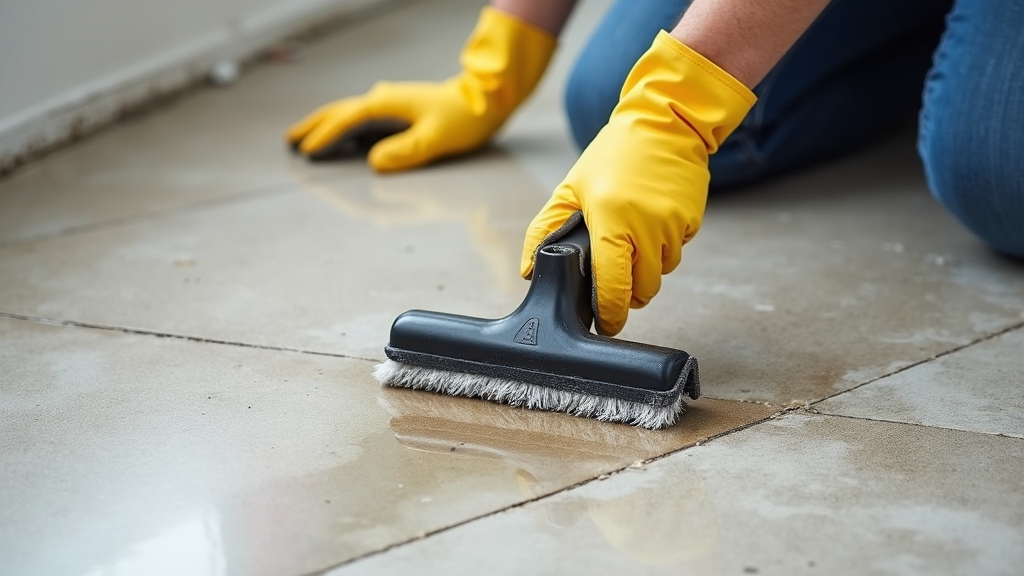
A dedicated concrete degreaser is a concentrated alkaline or solvent-based solution designed to lift petroleum products. These are widely available at hardware stores and are the standard choice for DIY garage floor maintenance.
3. Microbial and Enzymatic Cleaners
These products contain live bacteria or enzymes that literally 'eat' the oil, converting it into water and carbon dioxide. While they take longer to work, they are often the most environmentally friendly and least abrasive option for the concrete itself.
4. Professional Power Washing
For extensive staining or deep-set spots, hiring a professional with industrial-grade hot water pressure washers may be necessary. These machines can reach temperatures and pressures that consumer-grade equipment simply cannot match.
Detailed Pros and Cons
DIY Methods (Absorbents and Chemicals)
- Pros: Highly affordable, immediate availability, allows for spot treatment without specialized equipment.
- Cons: Requires significant physical labor (scrubbing), may require multiple applications, and chemical runoff can be harmful to nearby landscaping.
Professional Services
- Pros: Most effective for large areas, saves time, utilizes hot water which is superior for breaking down grease.
- Cons: Highest cost, scheduling delays, and potential for surface etching if the technician uses excessive pressure.
Realistic Cost Analysis
Do not rush the process of budgeting. Here is a breakdown of what you can expect to spend based on the method chosen. These figures are estimates based on standard residential needs.
| Method | Estimated Cost (Materials/Service) | Estimated Cost (Tools/Rental) | Total Project Cost |
|---|---|---|---|
| Household Remedies | $10 - $25 | $0 | $10 - $25 |
| Chemical Degreaser | $20 - $50 | $15 (Stiff Brush) | $35 - $65 |
| Microbial Cleaners | $40 - $80 | $0 | $40 - $80 |
| Professional Cleaning | $200 - $500 | N/A | $200 - $500 |
Note: Professional costs are typically calculated per square foot, usually ranging from $0.25 to $0.75, often with a minimum service fee.
Best Use Cases for Each Method
When to Use Household Items
Use these for 'fresh' oil spots—those that are still wet or have been sitting for less than 24 hours. If you catch it early, a generous layer of absorbent material left overnight can solve the problem for under ten dollars.
When to Use a Concrete Degreaser
Choose this for moderate stains that have dried but are not yet years old. It is the best middle-ground for a weekend warrior looking to prep a garage floor for a new aesthetic.
When to Hire a Professional
If you are dealing with a driveway that hasn't been cleaned in a decade, or if the oil covers more than 25% of the surface area, the professional route is the most efficient. It ensures that the oil spot removal is consistent across the entire slab, preventing a 'polka dot' effect where cleaned spots look significantly brighter than the rest of the concrete.
Final Recommendations
My recommendation depends entirely on the 'age' of the stain and your future plans for the space. If you are simply maintaining your driveway cleaning, a high-quality alkaline degreaser and a stiff-bristled brush will provide the best balance of cost and results. However, if you are preparing for a professional floor coating, do not cut corners. Residual oil is the leading cause of epoxy failure. In those cases, the investment in a professional hot-water wash is worth every penny to ensure the success of your primary renovation project.