Understanding Garage Floor Integrity
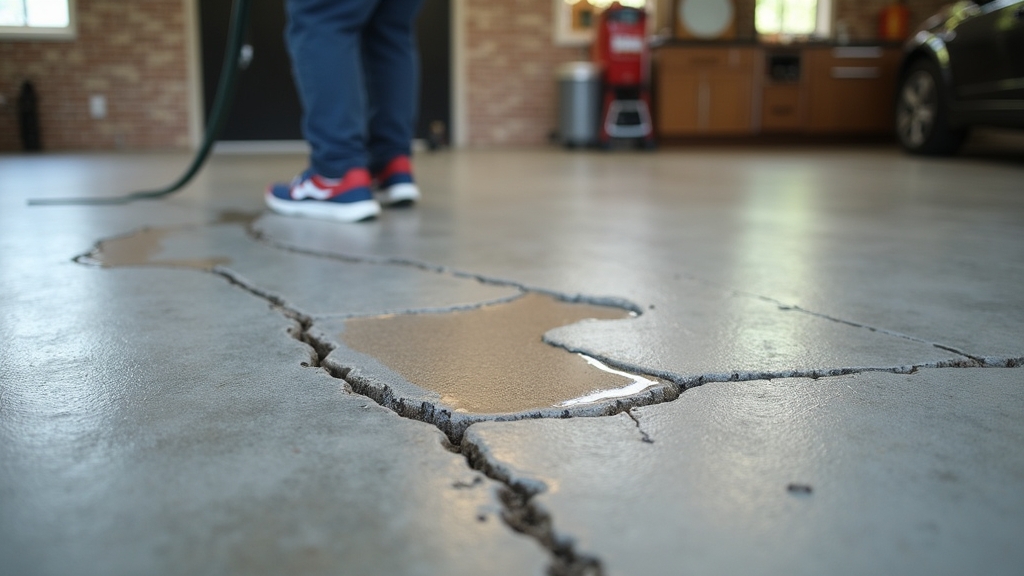
For many homeowners, the garage serves as more than just a place to park a car; it is a workshop, a storage unit, and often a primary entry point to the home. When cracks appear in the concrete slab, it is natural to feel a sense of urgency. These fissures are not merely aesthetic issues; they can lead to moisture intrusion, pest problems, and the eventual degradation of the concrete foundation. Taking your time with the assessment phase is crucial because not all cracks are created equal. Small details matter here, such as whether a crack is active (growing) or dormant (stable).
Fixing garage concrete requires a methodical approach. It is worth doing right the first time to avoid having to scrape out failed patches a year later. In this guide, we will compare the three primary methods for sealing garage floor cracks: liquid concrete fillers, rigid epoxy resins, and flexible polyurethane sealants.
Method 1: Liquid Concrete Crack Fillers
Liquid fillers are typically water-based or acrylic-based products designed to flow deep into narrow cracks. They are often the first choice for homeowners looking for a simple, user-friendly solution for garage floor maintenance. These products usually come in bottles with applicator tips that allow for gravity-fed delivery into the crack.
Pros of Liquid Fillers
- Ease of Application: No specialized tools like caulking guns or mixing paddles are usually required.
- Deep Penetration: The low viscosity allows the material to reach the bottom of thin fissures.
- Fast Drying: Most liquid fillers skin over quickly, allowing for light foot traffic within hours.
Cons of Liquid Fillers
- Shrinkage: Because they are often water-based, they can shrink as they cure, requiring a second application.
- Durability: They may not hold up as well under heavy vehicle traffic or extreme temperature swings.
- Limited Gap Filling: They are generally unsuitable for cracks wider than 1/4 inch.
Method 2: Rigid Epoxy Resin Systems
Epoxy is a two-component system consisting of a resin and a hardener. When mixed, a chemical reaction occurs that creates a bond stronger than the concrete itself. This method is often preferred when structural reinforcement is a priority or when the floor will eventually be coated with a decorative finish.
Pros of Rigid Epoxies
- High Strength: Once cured, epoxy creates a permanent, rock-hard bond that prevents further movement of the crack edges.
- Chemical Resistance: Epoxy is highly resistant to oil, gasoline, and road salt.
- No Shrinkage: Unlike water-based fillers, 100% solids epoxy does not lose volume during the curing process.
Cons of Rigid Epoxies
- Complexity: Requires precise measuring and thorough mixing of two components.
- Brittle Nature: If the concrete slab continues to move or settle, the rigid epoxy may crack or pull away from the edges.
- Preparation Intensive: The crack must be perfectly dry and free of all dust for the epoxy to bond.
Method 3: Flexible Polyurethane Sealants
Flexible sealants, often sold in tubes for use with a caulking gun, are designed to remain elastic after they cure. This is the professional standard for "control joints" or cracks where the slab is expected to expand and contract due to seasonal temperature changes.
Pros of Flexible Sealants
- Movement Accommodation: These sealants can stretch and compress, making them ideal for "living" cracks.
- Weatherproofing: They provide an airtight and watertight seal that remains intact even as the concrete shifts.
- Longevity: High-quality polyurethane can last for a decade or more without losing its elasticity.
Cons of Flexible Sealants
- Application Skill: Achieving a smooth, professional-looking bead requires a steady hand and some experience with a caulking gun.
- Surface Tack: They can remain tacky for a longer period, potentially attracting dust if not covered or cured properly.
- Not Sandable: Unlike epoxy, most flexible sealants cannot be sanded flush with the floor once they have cured.
Cost Comparison and Resource Investment
When planning your garage floor maintenance, budgeting involves more than just the price of the material. You must also consider the tools required and the value of your time. Trust your instincts on this one; if a crack looks deep and structural, investing more upfront will save money on future repairs.
| Method | Material Cost | Required Tools | Skill Level |
|---|---|---|---|
| Liquid Filler | Low | None | Beginner |
| Rigid Epoxy | High | Mixing tools, trowels | Advanced |
| Flexible Sealant | Moderate | Caulking gun, foam backer rod | Intermediate |
Detailed Best Use Cases
When to Use Liquid Fillers
Use these for hairline cracks that are purely cosmetic. If you have a network of very fine "spiderweb" cracks on a slab that is otherwise stable, a liquid filler is a quick and effective way to prevent those cracks from collecting dirt and debris.
When to Use Rigid Epoxies
Epoxy is the correct choice if you are preparing your floor for a full epoxy coating or if you need to level two sides of a crack that have become uneven. It is also the best choice for anchoring bolts or heavy machinery to the floor where the concrete has chipped.
When to Use Flexible Sealants
Choose flexible sealants for any crack that runs the full width of the garage or for expansion joints. If you live in a climate with significant temperature differences between summer and winter, the concrete will move. A flexible sealant is the only way to ensure the crack stays sealed through those cycles.
The Importance of Preparation
Regardless of which method you choose, the secret to a successful repair lies in the preparation. Do not rush the process. A common mistake is filling a crack that still contains loose debris or moisture. Use a wire brush to scrub the interior of the crack, vacuum out all dust, and ensure the area is bone dry. If the crack is deep (more than 1/2 inch), use a foam backer rod before applying your sealant. This prevents "three-point bonding," allowing the sealant to stretch effectively between the two side walls of the crack.
Final Recommendation
For the average DIYer maintaining a standard residential garage, a **flexible polyurethane sealant** offers the best balance of durability, ease of use, and long-term performance. While liquid fillers are easier to apply and epoxies are stronger, the flexibility of polyurethane addresses the most common cause of crack failure: concrete movement. If you are planning a full floor renovation with a top-coat, however, the **rigid epoxy** method becomes the necessary choice to ensure a seamless finish. Always evaluate the specific needs of your space before beginning, and remember that taking the time to do it right ensures your garage floor remains functional for years to come.