The Reality of Adding a Shower Niche
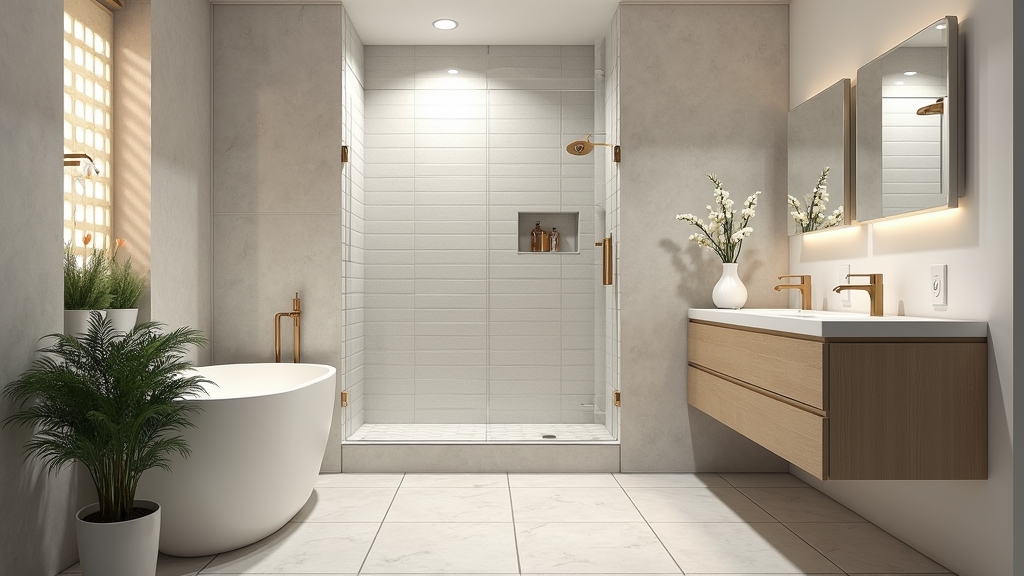
In 30 years of building homes, I have seen shower trends come and go. People used to love those plastic corner caddies or hanging wire racks. Today, everyone wants a recessed shower niche. It looks clean, stays out of the way, and adds a high-end feel to any bathroom renovation. Here is the thing: building a niche involves much more than just cutting a hole in the wall. If you don't do it right, you are essentially creating a bucket inside your wall that collects water and causes rot. Now, the important part is understanding how the design you choose impacts your wallet and the longevity of your shower.
Overview of Your Niche Options
When it comes to shower organization, you generally have two paths: a pre-fabricated insert or a custom-framed niche. Each has a drastically different impact on your project timeline and budget.
The Pre-Fabricated Niche
This is a solid foam or plastic box that you install directly between your wall studs. Brands like Schluter or Noble produce these in various sizes. You thin-set them into place, waterproof the seams, and tile directly over them. This is where it gets interesting for DIYers and pros alike because it removes most of the guesswork regarding waterproofing and slope.
The Custom-Framed Niche
This is the traditional method. We build a box out of 2x4 lumber within the wall cavity, line it with cement board, and manually apply waterproofing membranes. This option allows for total creative freedom. You can make it as wide as three studs or as tall as the ceiling. However, what most people miss is that custom framing requires significantly more labor and meticulous attention to pitch.
Detailed Pros and Cons
Pre-Fabricated Inserts
Pros: They are inherently waterproof. They come with a built-in 1/16th-inch slope to ensure water drains out. Installation is fast, usually taking less than 20 minutes to set the box into the wall. This is a massive win for consistency.
Cons: You are limited to the manufacturer's sizes. If you want a 48-inch long shelf, you might have to buy two and join them. Worth mentioning, some of these inserts have thick flanges that can create a slight 'hump' in your tile work if you don't feather out your thin-set properly.
Custom-Framed Niches
Pros: Design flexibility is the biggest selling point. You can align the niche perfectly with your tile grout lines, which looks incredible. On the other hand, you can add glass shelves or LED lighting inside a custom build much easier than in a plastic insert.
Cons: High risk of failure. If the bottom plate isn't sloped correctly toward the shower, water sits in the corners. This leads to moldy grout and eventually leaks. The labor cost is also significantly higher because your contractor has to cut studs, add headers, and spend hours waterproofing corners.
Realistic Cost Breakdown
Let's talk numbers. I have seen many homeowners get sticker shock when they see the line item for a 'simple shelf.'
Material Costs
- Pre-fab Niche: $40 to $120 depending on size.
- Custom Materials: $20 for lumber and cement board, plus $30 for high-quality waterproofing membrane (like Kerdi-Band or liquid membranes).
- Finish Materials: Don't forget the trim. Using 'bullnose' tile or metal Schiene edges can add $50 to $150 to the total.
Labor Costs
This is where the real difference lies. In my experience, a tile setter will charge between $200 and $500 just for the labor of a single niche. Why? Because tiling the inside of a box involves ten separate 'inside' corners and four 'outside' corners. Each of those requires a custom cut. If you want a custom-framed niche, expect to add another $150 for the framing and waterproofing prep. Total cost for a professionally installed niche typically lands between $400 and $900.
Best Use Cases for Each Option
When to use Pre-Fabricated
If you are doing a standard 12x12 or 12x24 inch niche, go with the pre-fab. It is the safest bet for preventing leaks. The good news is that they are now available in 'extra-wide' versions that span two stud bays, giving you that modern look without the custom framing headache.
When to go Custom
If you have specific needs—like a tall niche for oversized shampoo bottles or a horizontal niche that runs the entire length of the wall—custom is your only choice. Just make sure your contractor is using a topical waterproofing membrane (liquid or sheet) and not just relying on 'waterproof' grout or caulk.
The Retired Contractor's Final Recommendation
If you asked me to build a shower in my own house today, I would use a pre-fabricated foam insert every single time. It eliminates the most common failure point in a bathroom: the human error involved in waterproofing complex corners. Something to keep in mind: no matter which way you go, always use a solid piece of stone (like a quartz remnant) for the bottom sill. Using individual tiles for the bottom shelf creates grout lines where soap scum and water will inevitably sit. A solid sill is much easier to clean and looks far more professional.