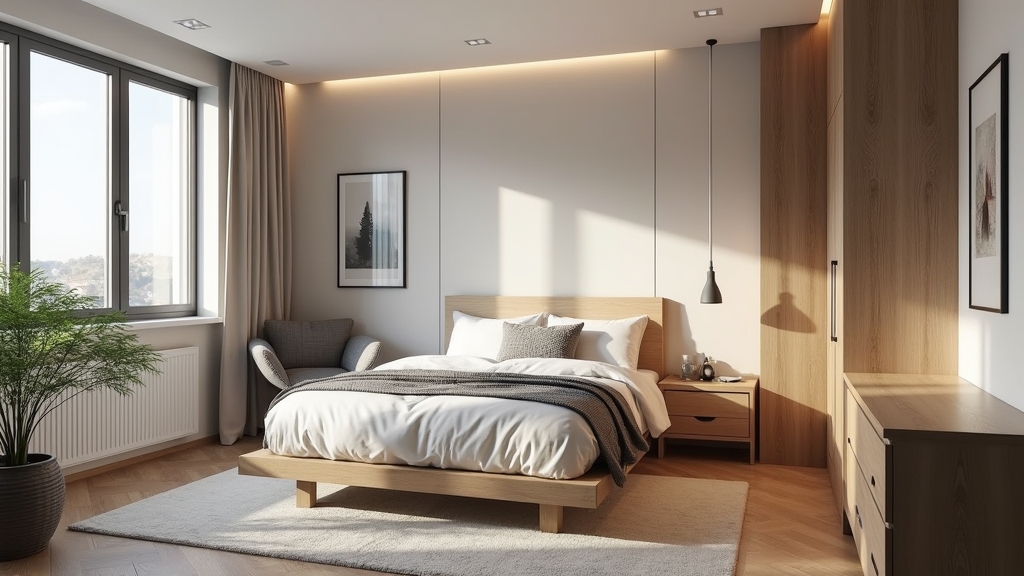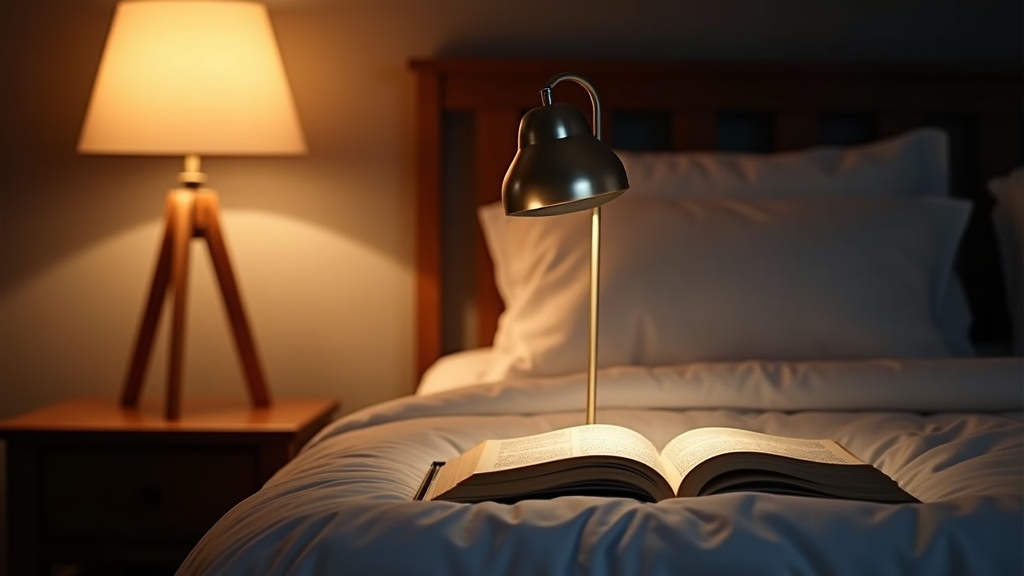
In most homes, bedroom lighting is an afterthought, usually consisting of a single overhead fixture that is either too dim for tasks or too harsh for relaxation. From experience, I have found that the biggest frustration for readers isn't the book itself, but the shadows and glare caused by poor placement. To create a functional reading nook, you need to balance ambient warmth with focused task lighting.
The Real Issue with Reading Lights
What I have found is that most homeowners buy bedside lamps based on aesthetics rather than beam spread. The real issue usually is the 'glare-to-shadow' ratio. If your light source is too high, it creates harsh shadows on the page; if it's too low, the bulb shines directly into your eyes. Over the years, I have learned that the key thing to remember is that reading light should be directional but diffused.
Tools and Materials Needed
- LED Bulbs: Specifically those with a Color Rendering Index (CRI) of 90+ to make text crisp.
- Adjustable Fixtures: Swing-arm sconces or gooseneck lamps.
- Smart Dimmers: To transition from focused reading to sleep mode.
- Measuring Tape: To calculate the exact height of your mattress and nightstand.
Preparation Steps
One thing many people overlook is the height of their headboard and mattress. Before buying any reading lights, sit in your bed in your natural reading position. Measure the distance from the floor to your eye level. Your light source—specifically the bottom of the lampshade—should be at or slightly below eye level to prevent glare. A common situation is people mounting sconces too high, turning a cozy reading spot into a surgical theater.
Step-by-Step Setup for Optimal Reading
Choosing the Right Warm Light Bulbs
Many assume 'bright' means 'white,' but cool white light (5000K+) suppresses melatonin. What works best is a warm light bulb in the 2700K to 3000K range. This provides enough contrast for the eyes without signaling your brain to wake up. Look for bulbs with 450 to 800 lumens; anything more is excessive for a bedside environment.
Positioning Your Bedside Lamps
If you prefer traditional bedside lamps, choose a translucent shade. Opaque shades look modern but trap light, creating a 'spotlight' effect that causes eye fatigue. I recommend placing the lamp roughly 10 to 12 inches away from the edge of the mattress. This ensures the beam covers the width of your book or e-reader without spilling onto your partner’s side of the bed.
Installing Bedroom Task Lighting
For serious readers, dedicated bedroom task lighting like wall-mounted swing arms is the gold standard. In my experience, these are best installed 20 to 24 inches above the mattress surface. This height provides enough clearance for you to sit up or lean back while keeping the light source close enough to the page to maintain high contrast.
Tips for Best Results
To get the most out of your setup, consider these professional tweaks:
- Layering: Never read with only a task light on in a pitch-black room. This creates high contrast that exhausts the eye muscles. Use a dim ambient light elsewhere in the room.
- Asymmetric Placement: If you read on one side of your body, place the light on that side to prevent your head from casting a shadow on the book.
- Matte Surfaces: Avoid glass-topped nightstands, as they reflect the bulb directly upward into your peripheral vision.
Troubleshooting Common Issues
If you find yourself squinting even with new lights, the issue might be the 'flicker' from cheap LED bulbs. High-quality LEDs have better drivers that provide a steady stream of light. Another common issue is the 'blue light' from e-readers. Even with a great lamp, if your tablet is set to maximum brightness, your lamp will feel insufficient. Always sync your device's warmth to match your warm light bulbs.