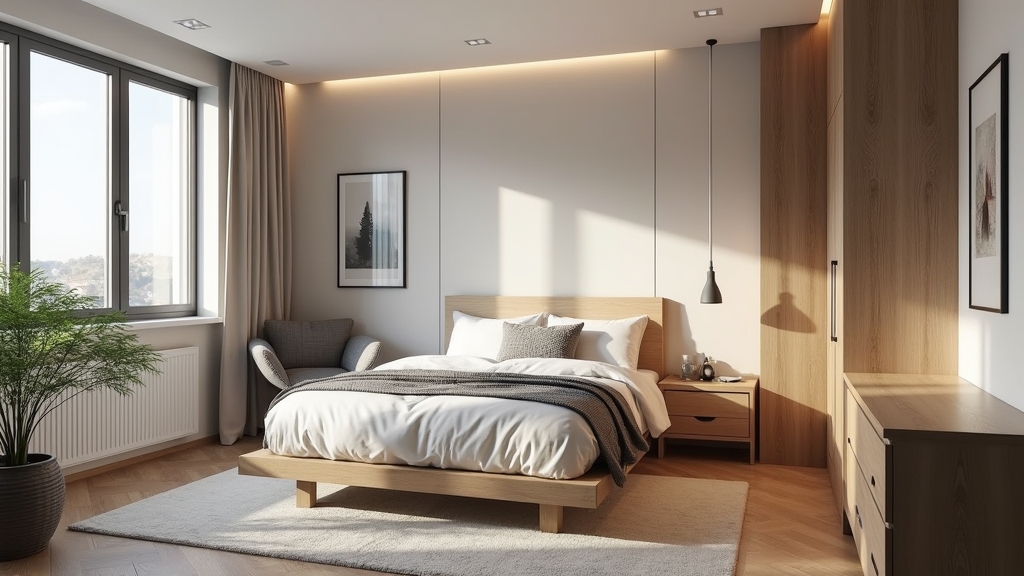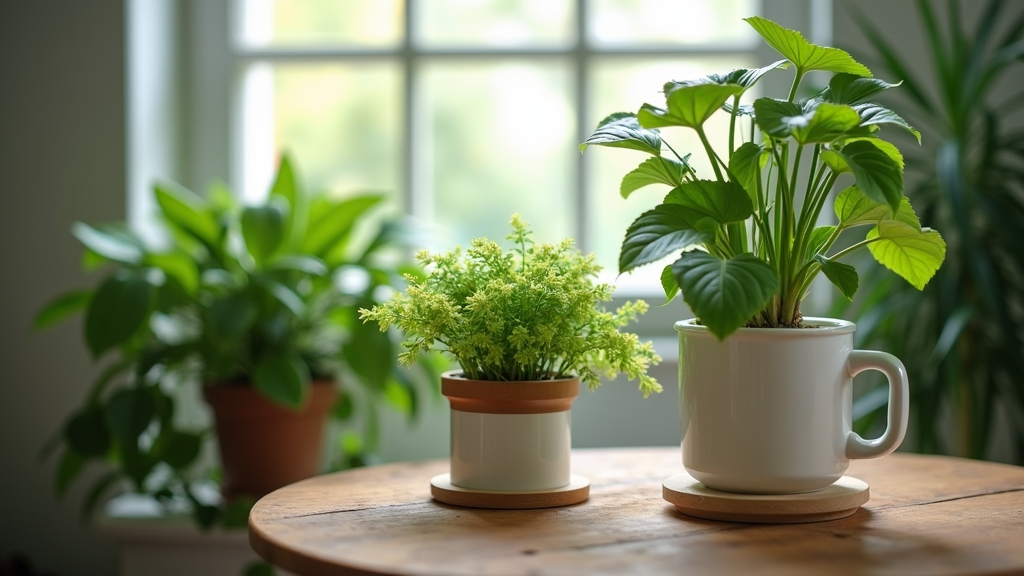
Enhancing Your Sleeping Environment with Bedroom Greenery
Creating a restful sanctuary in the bedroom involves more than just a comfortable mattress and temperature control. The air quality within your sleeping space can significantly impact your rest and overall health. As homes become more energy-efficient and airtight, indoor pollutants such as volatile organic compounds (VOCs) and carbon dioxide can accumulate. Integrating indoor gardening into your bedroom design is a natural, cost-effective method to address these concerns. While plants are not a replacement for proper ventilation and mechanical air filtration, they serve as a valuable supplementary tool in a holistic approach to home energy efficiency and air health.
Comparing Approaches to Bedroom Air Improvement
When selecting bedroom plants, homeowners generally prioritize different biological functions. Some focus on the removal of specific toxins, others on moisture regulation, and some on the unique ability of certain plants to produce oxygen during the night. Understanding these categories allows you to tailor your plant selection to your specific environmental needs.
Option 1: The VOC Scavengers (Detoxifying Plants)
Many common household items—including carpets, furniture adhesives, and cleaning supplies—offgas chemicals like formaldehyde, benzene, and trichloroethylene. Certain plants are particularly efficient at absorbing these substances through their leaves and roots, where microbes in the soil break them down.
- Snake Plant (Sansevieria): Renowned for its hardiness, it is excellent at filtering formaldehyde.
- Peace Lily (Spathiphyllum): Known for tackling a broad range of toxins, including ammonia.
- English Ivy (Hedera helix): Effective at reducing airborne mold and fecal particles.
Option 2: The Nocturnal Oxygen Producers
While most plants perform photosynthesis during the day and respiration (consuming oxygen) at night, a specific group follows Crassulacean Acid Metabolism (CAM). These plants keep their stomata closed during the day to prevent water loss and open them at night to take in carbon dioxide and release oxygen.
- Aloe Vera: A succulent that thrives on neglect while refreshing air overnight.
- Orchids: While more delicate, they provide a steady supply of nighttime oxygen.
- Areca Palm: A powerhouse for both oxygen production and size.
Option 3: The Humidity Regulators
In many energy-efficient homes, the air can become overly dry during winter months when heating systems are active. Plants release water vapor through transpiration, which can naturally increase the humidity levels in a bedroom, potentially reducing respiratory irritation and dry skin.
- Spider Plant (Chlorophytum comosum): Rapidly grows and contributes to localized humidity.
- Boston Fern (Nephrolepis exaltata): Often considered one of the best natural humidifiers for indoor spaces.
Detailed Pros and Cons
VOC Scavengers
Pros: These plants directly address chemical pollutants that mechanical filters often miss. They are generally resilient and require less frequent monitoring than more sensitive species.
Cons: Some of the most effective detoxifiers, like the Peace Lily, can be toxic to pets if ingested. They also require specific light levels (usually indirect) to maintain their metabolic rates.
Nocturnal Oxygen Producers
Pros: They specifically improve the air profile during the hours you are actually using the room. Many, such as the Snake Plant, are also nearly impossible to kill, making them ideal for beginners.
Cons: These plants typically grow more slowly than other varieties. They often require very well-draining soil and can suffer quickly from overwatering.
Humidity Regulators
Pros: They reduce the need for electric humidifiers, which can be noisy and consume energy. Higher humidity can lead to better sleep by keeping nasal passages moist.
Cons: These plants, particularly ferns, require high maintenance. They need consistent misting or soil moisture, and if left to dry out, they can drop leaves and create a mess.
Cost Comparison
Indoor gardening is one of the most budget-friendly home improvements. Most standard bedroom plants like Spider Plants or Snake Plants can be purchased for $10 to $30 depending on size. More mature specimens or decorative varieties like Orchids may range from $40 to $70. When compared to the cost of a high-end HEPA air purifier (ranging from $200 to $600 plus annual filter replacement costs of $50-$100), plants offer a low-energy, low-cost alternative or supplement.
Best Use Cases for Each Method
For the Busy Professional (Low Maintenance)
If you have limited time or a "black thumb," the Snake Plant is the gold standard. It fits into the VOC Scavenger and Nocturnal Oxygen categories and can survive for weeks without water or direct sunlight.
For the Dry Climate or Winter Season
If you wake up with a dry throat or static electricity in your hair, focus on Humidity Regulators. Placing several Boston Ferns or Spider Plants on a tray of pebbles with water can significantly raise the local humidity around your bed.
For Newer Homes (Chemical Sensitivity)
In recently renovated homes or apartments with new furniture, prioritize VOC Scavengers. Placing a Peace Lily and English Ivy in the room can help mitigate the "new house smell" which is often the result of offgassing chemicals.
Final Recommendations
For the average homeowner looking for the best balance of air quality and ease of care, a combination approach is recommended. Integrating one large Snake Plant (for nighttime oxygen and toxin removal) with a Spider Plant (for humidity and ease of propagation) provides the most comprehensive benefit. Always consider the light levels of your bedroom; north-facing windows require low-light plants like the Snake Plant, while south-facing windows allow for more light-hungry varieties like Aloe Vera. Finally, ensure any plant chosen is safe for your household, specifically checking toxicity levels if you have curious cats or dogs.