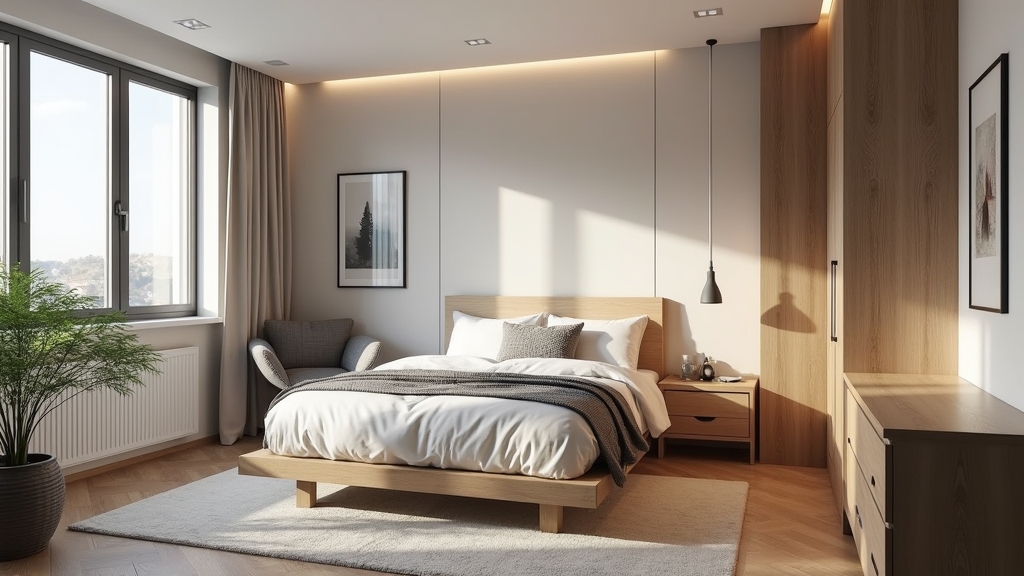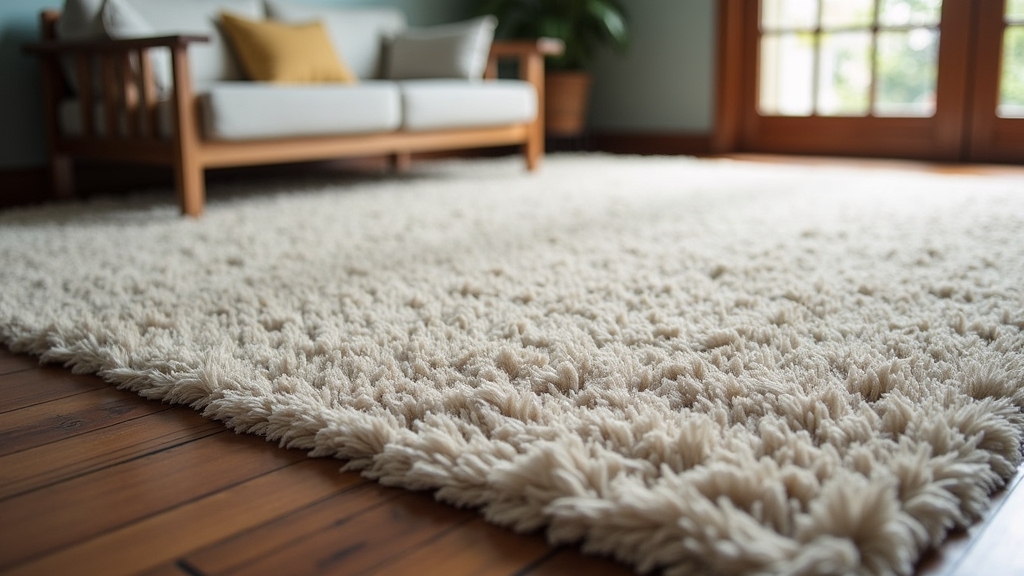
The Challenge of Bedroom Rug Selection
Here is the thing: many people treat choosing a bedroom rug as an afterthought, often picking one based solely on color or pattern. However, the size of your rug is the actual foundation of the room's comfort and aesthetic balance. If the rug is too small, the room feels disjointed and cramped; if it is too large, it can overwhelm the space and make maintenance a chore. Achieving a long-term solution means looking past the initial purchase and understanding the spatial dynamics of your flooring.
Root Causes of Poor Rug Scaling
Now, the important part to understand is why so many bedroom layouts feel 'off.' It usually boils down to a few common misconceptions about scale and proportion. This is where it gets interesting: most people assume the rug only needs to cover the area where their feet land when they get out of bed. In reality, a rug serves as an anchor for the largest piece of furniture in the room—the bed.
Misjudging Bed Dimensions
What most people miss is that a Queen or King bed takes up significant visual real estate. When you place a standard 5x8 rug under a King-sized bed, the rug virtually disappears, leaving only small, awkward strips of fabric on the sides. This creates a visual imbalance that can make a large room feel cluttered and poorly planned.
Ignoring Clearance and Traffic Flow
Another contributing factor is failing to account for door swings and walkway clearances. A rug that is too large for the room might bunch up against the baseboards or catch on the bottom of a closet door. Over time, this causes unnecessary wear and tear on the rug fibers and creates a tripping hazard, necessitating a replacement much sooner than expected.
Immediate Steps for Accurate Assessment
The good news is that you can fix these issues before committing to a permanent flooring change. Before looking at any designs, you must evaluate your physical space. Worth mentioning is the 'painter's tape method.' By taping out potential rug dimensions on your floor (4x6, 5x8, 8x10, 9x12), you can visualize exactly how much floor space will be covered and how the furniture will sit atop it.
- Measure the Bed: Start by measuring the actual footprint of your bed frame, not just the mattress size.
- Evaluate the Room Perimeter: Aim to leave at least 10 to 18 inches of bare floor between the rug and the walls to maintain a sense of openness.
- Check Door Clearances: Ensure the rug's pile height will not interfere with any swinging doors.
Long-Term Strategies for Rug Placement
On the other hand, if you are looking for a comprehensive, permanent fix, you need to decide on a placement philosophy. There are three primary ways to anchor a bedroom with a rug that will stand the test of time.
The 'All-On' Approach
In larger rooms, placing the entire bed and the accompanying nightstands on the rug provides the most cohesive look. For a King-sized bed, this typically requires a 9x12 rug. This method protects your flooring entirely and provides a soft surface for every step taken around the bed. Something to keep in mind is that this requires a room with significant square footage to avoid the 'wall-to-wall' carpet look.
The 'Two-Thirds' Rule
This is arguably the most popular long-term solution. You place the rug perpendicular to the bed, sliding it under about two-thirds of the bed’s length, stopping just before the nightstands. This leaves the nightstands on the bare floor while providing plenty of rug space on the sides and at the foot of the bed. For a Queen bed, an 8x10 rug is the standard choice for this layout.
The Runner Strategy
For those with smaller rooms or beautiful hardwood floors they don't want to hide, using runners on either side of the bed is a practical alternative. This provides the comfort of a rug where you step out of bed without the bulk of a full-sized area rug. It is a permanent solution for narrow rooms where a large rug would simply be too wide.
When to Call a Professional
While most rug placement can be handled with a tape measure and some planning, there are times when seeking expert advice is beneficial. If your bedroom has an unusual architectural layout, such as angled walls or built-in cabinetry that limits floor space, a custom-cut rug or a professional interior designer can help ensure the proportions are exact. Additionally, if you are dealing with antique flooring that requires specific underlayment to prevent damage, a flooring specialist can provide guidance on the safest materials to use long-term.
Summary of Recommended Sizes
- Twin Bed: 5' x 8' or 6' x 9' (placed horizontally).
- Full Bed: 6' x 9' or 8' x 10' for more coverage.
- Queen Bed: 8' x 10' is the gold standard for a balanced look.
- King Bed: 9' x 12' ensures the rug doesn't look dwarfed by the furniture.