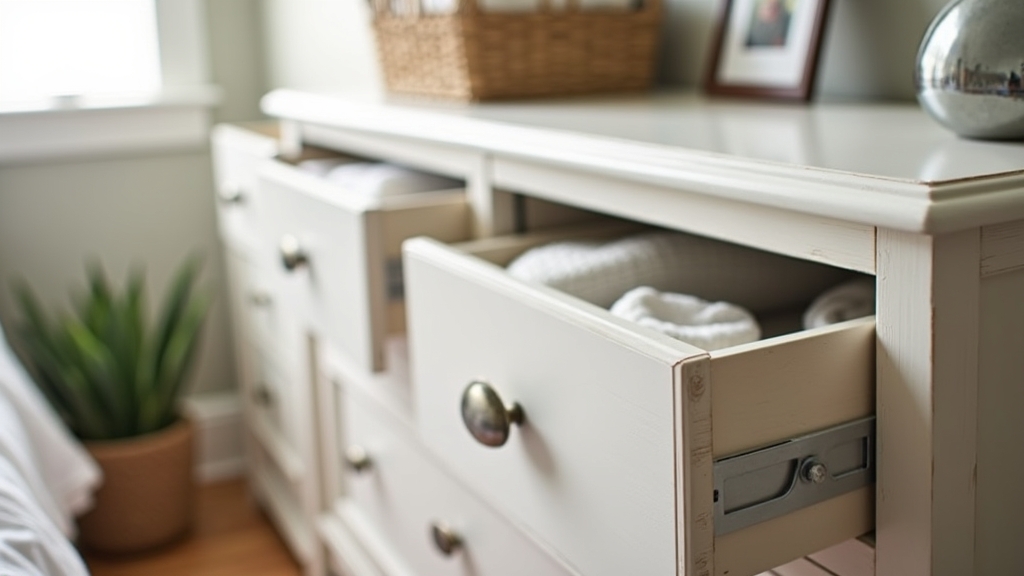
Why Dresser Organization is the Ultimate Quick Fix
In most homes, the bedroom dresser is the silent victim of a busy lifestyle. It starts with one misplaced sock and ends with a drawer so jammed you have to use both hands to force it shut. As an advisor focused on efficiency, I’ve seen how physical clutter directly correlates with mental fatigue. When you can’t find your favorite shirt in the morning, your stress levels spike before you’ve even had your first cup of coffee. The real issue usually isn't a lack of space, but a lack of systems.
From experience, decluttering your dresser is one of the most high-impact, low-cost ways to reclaim your time and energy. By applying the same principles of efficiency we use to save on utility bills—minimizing waste and optimizing flow—you can transform your bedroom into a sanctuary. This guide is designed to help you declutter bedroom dresser drawers fast, using practical tools and professional folding techniques that stay organized long after you finish the job.
Tools and Materials Needed
One thing many people overlook is that you don't need a massive budget to organize your dresser. In my experience, the best solutions are often the simplest ones you already have around the house. To get through this fast, gather the following:
- A clear surface: Usually your bed, for sorting.
- Three large bins or bags: Labeled "Keep," "Donate/Sell," and "Repair/Trash."
- Drawer dividers: These can be store-bought adjustable versions or clean, repurposed shoeboxes.
- A micro-fiber cloth: For a quick wipe-down once the drawers are empty.
- A timer: To keep you focused on the "fast" aspect of this mission.
Preparation Steps for Speed
What works best is a focused, high-intensity approach. Don't try to do the whole room at once. We are focusing strictly on dresser organization. Before you pull out a single sock, set your timer for 30 to 45 minutes. This creates a psychological boundary that prevents the project from dragging on all afternoon.
Ensure your laundry is relatively caught up. Trying to organize a dresser when half of your wardrobe is in the hamper is a recipe for failure. You need a complete picture of what you own to make informed decisions about what stays and what goes. Finally, put on some upbeat music—energy is contagious, and you'll move faster with a beat.
The 5-Step Rapid Decluttering Method
Over the years, I have learned that the "one drawer at a time" method is a myth if you want true organization. What I have found is that you must see the total volume of your clothing to understand the scale of the problem. Follow these steps for the fastest results:
1. The Empty and Clean Sweep
Pull everything out. Yes, everything. Pile it all on the bed. Once the drawers are empty, take that micro-fiber cloth and wipe out the dust and lint that inevitably accumulates in the corners. This provides a fresh, clean slate for your new system.
2. The Ruthless Sort
A common situation is holding onto clothes "just in case" they fit again or come back into style. The key thing to remember is that if you haven't worn it in the last year, it is taking up valuable "real estate" in your home. Quickly sort your pile into your three bins. Don't overthink it; your first instinct is usually the correct one.
3. Categorize Your Keepers
Divide your "Keep" pile into logical categories: socks, underwear, t-shirts, workout gear, and pajamas. In my experience, grouping by activity or type of garment is much more efficient than grouping by color or brand.
4. Implement Folding Techniques
The traditional "stacking" method is the enemy of efficiency. When you stack clothes, you can only see the top item, and pulling something from the bottom creates a "clothing avalanche." Instead, we will use the file folding technique. (Detailed below).
5. Load and Divide
Place your folded items back into the drawers. This is where drawer dividers become your best friend. They prevent categories from bleeding into each other. If you’re on a budget, the lids of shoeboxes make excellent, low-profile dividers for shallow drawers.
Master the Art of File Folding
If you want to maximize your dresser's efficiency, you must move away from flat stacking. File folding (often associated with the KonMari method) involves folding clothes into small, rectangular bundles that stand upright on their own. This allows you to see every single item in the drawer at a glance.
How to File Fold a T-Shirt:
- Lay the shirt flat on a surface.
- Fold one side toward the center, then fold the sleeve back.
- Repeat on the other side so you have a long rectangle.
- Fold the rectangle in half lengthwise, but leave a small gap at the top.
- Fold it into thirds until it stands upright.
Using Drawer Dividers Effectively
The real issue usually is that drawers are simply too large for the small items we put in them. Socks and underwear end up in a chaotic soup. Drawer dividers act like internal walls that maintain the integrity of your categories.
What works best is adjustable tension dividers for larger items like jeans or sweaters, and honeycomb or grid organizers for small items like socks and ties. One thing many people overlook is the height of the dividers. Ensure they are at least an inch shorter than the drawer depth to avoid snagging when you open and close the dresser.
Tips for Best Results
- Seasonality is key: In my experience, keeping off-season clothes in your primary dresser is a waste of space. Move winter sweaters to under-bed storage during the summer to give your daily clothes more room to breathe.
- The "One In, One Out" Rule: To maintain your hard work, commit to donating an old item every time you buy something new.
- Fragrance for freshness: Toss a small cedar block or a lavender sachet into the corners. It keeps the air fresh and discourages pests without using harsh chemicals.
Troubleshooting Common Issues
My drawers are still sticking!
If your drawers are hard to pull even when empty, the issue might be the tracks. Rub a little bit of beeswax or a bar of dry soap along the wooden runners. It’s a classic, cost-effective fix that makes drawers glide like new.
I have too many clothes for the space.
If you’ve decluttered and everything still feels tight, you may need to reconsider what belongs in a dresser. Heavy hoodies and denim often take up too much room; consider hanging these in the closet instead. Efficiency is about placing items where they fit best, not just where you’ve always put them.
My family won't keep up with the folding.
Labeling the edges of the drawers or even the dividers themselves can help others (and yourself!) remember where things go. It removes the guesswork and makes the system "autopilot" friendly.
Final Thoughts
Decluttering clothes isn't just about aesthetics; it's about reclaiming your mental energy. When your environment is organized, your life feels more manageable. By spending just 30 minutes on dresser organization today, you’re investing in a smoother, more efficient routine for the months to come. Remember, the goal isn't perfection—it's a system that works for you.