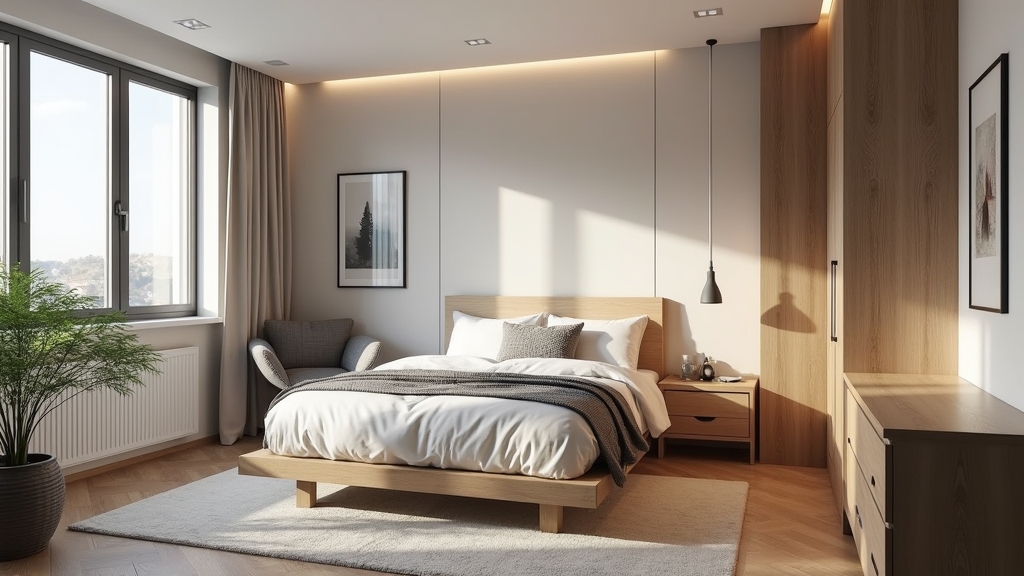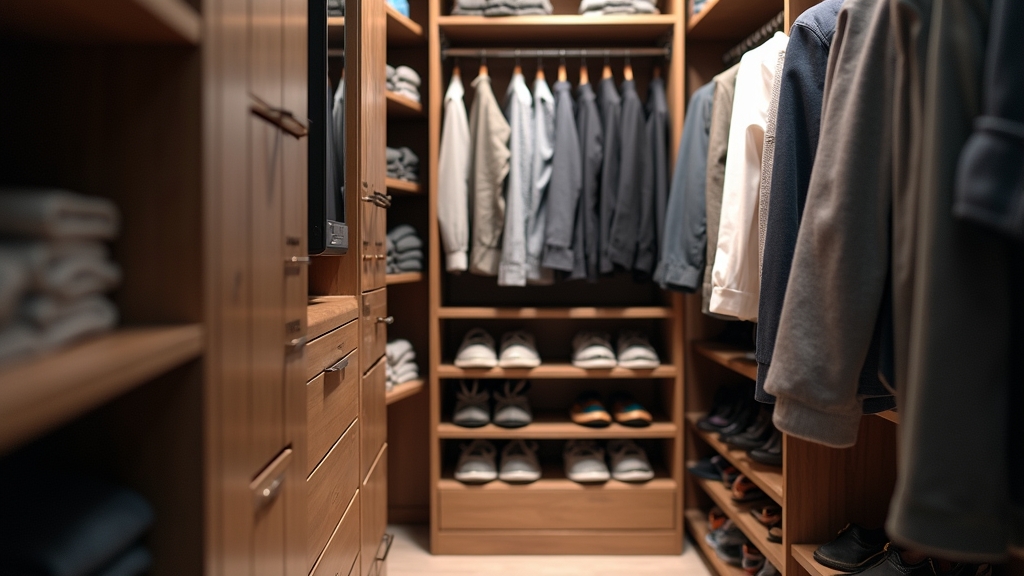
Conquering the Depth of Your Reach-in Closet
Deep reach-in closets often become a 'black hole' where clothes and accessories vanish for years. While the extra square footage is a blessing, it requires a specific strategy to remain functional. This guide focuses on maximizing closet depth while ensuring every item remains accessible. By using sustainable materials and thoughtful placement, you can transform a frustrating space into an efficient storage hub. Take your time with this process; setting up the right system now will save you hours of searching later.
Tools and Materials Needed
To organize a deep closet effectively, you need tools that bring items from the back to the front. Consider these eco-friendly and practical options:
- Clear Pull-out Bins: Opt for recycled plastic or glass to see contents easily.
- Bamboo Shelf Dividers: These keep stacks of sweaters from toppling over.
- Tiered Hangers: Use these to maximize vertical space alongside depth.
- Motion-Sensor LED Strips: Rechargeable lights help illuminate the dark corners.
- Measuring Tape: Accuracy is vital when working with deep dimensions.
- Labels: Paper or wooden tags to identify bin contents.
Preparation: The Sustainable Purge
Before buying any organizers, you must clear the space. It is worth doing right the first time. Remove every single item from the closet and lay it on your bed. This is the perfect moment to evaluate your wardrobe through a sustainable lens.
Sort items into three piles: Keep, Donate, and Repair. If you haven't worn an item in over a year, it likely doesn't deserve a spot in your limited space. By Reducing the volume of items, you make deep closet organization significantly easier. Clean the floor and shelves with a simple mixture of vinegar and water to refresh the space without harsh chemicals.
Step-by-Step Instructions for Deep Closet Organization
1. Measure and Map Your Zones
Deep closets function best when divided into zones based on frequency of use. Use your measuring tape to determine the exact depth. Divide the depth into three sections: Front (immediate access), Middle (weekly use), and Back (long-term or seasonal storage).
2. Address the Blind Corners
Blind corner closet ideas often involve specialized hardware, but you can achieve results with simple fixes. In the deep recesses of the sides, install 'Lazy Susans' or rotating carousels. These are excellent for handbags, shoes, or rolled-up belts. Trust your instincts on this one; if a corner feels unreachable, it needs a rotating or sliding solution.
3. Implement Pull-Out Systems
The biggest challenge of maximizing closet depth is reaching items against the back wall. Use long, narrow bins that act like drawers. When you need something from the back, you simply pull the entire bin forward. This prevents you from knocking over the front items to reach the back. For example, use a 24-inch deep bin for off-season linens or heavy winter sweaters.
4. Utilize Vertical Space and Tiered Hangers
In a deep closet, the space above your head is often underutilized. Install a second hanging rod if the height allows. Use tiered hangers for skirts or trousers to condense the horizontal space used, allowing you to push items back slightly while keeping them visible.
5. Optimize the Floor Space
Avoid tossing shoes in a heap on the floor. Use a stackable shoe rack or a pull-out wooden crate. If your closet is deep enough, you can place two rows of shoe racks—one in front of the other—provided the back row is slightly elevated or contains shoes you wear less frequently.
Tips for Best Results
Small details matter here. To maintain your newly organized space, follow these practical tips:
- Use Uniform Hangers: Wooden or recycled slimline hangers create a cohesive look and prevent tangling.
- Color Code: Grouping clothes by color makes it easier to spot what you need in a deep, shadowed space.
- Breathe Easy: Place a small bag of dried lavender or a cedar block in the back corners to repel moths and keep the air fresh.
- The 'One In, One Out' Rule: To keep your deep closet from becoming overstuffed again, donate one item for every new item you purchase.
Troubleshooting Common Issues
The Closet is Too Dark
Deep closets are notorious for poor lighting. If you cannot hardwire a light, use battery-powered, motion-sensor LED strips. Mount them on the underside of shelves or along the door frame. Seeing your items is the first step to keeping them organized.
Items Still Get Lost in the Back
If pull-out bins aren't enough, try 'stair-step' shelving. Elevate the back row of items using small wooden risers. This works exceptionally well for shoes or folded t-shirts, allowing you to see the 'top' of the back row over the front row.
Shelves are Too High to Reach
Keep a small, foldable bamboo step stool tucked into the side of the closet. If you have to struggle to reach the back of a high shelf, you won't maintain the system. Accessibility is the key to long-term organization.