In most homes, the bedroom serves as the final sanctuary, yet the bed itself often lacks the visual depth found in high-end boutiques. From my years of experience designing lush, multi-dimensional balcony gardens, I have learned that whether you are working with soil or silk, the principles of 'visual volume' remain the same. Achieving a luxury bed look isn't just about buying expensive linens; it is about the strategic application of textures, heights, and weights.
The Art of Layered Bedding
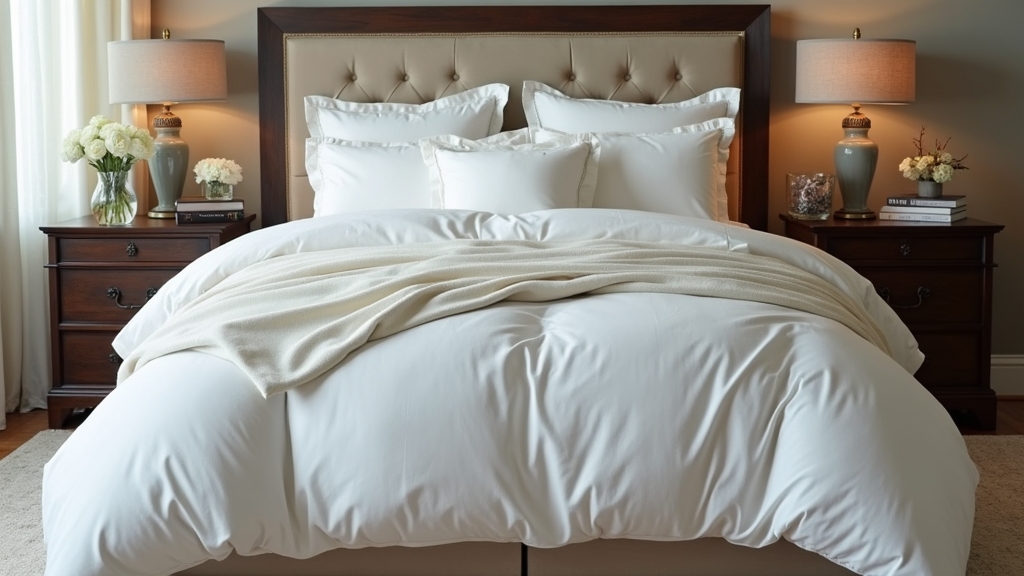
What I have found is that many people approach bed styling as a utility rather than an art form. They throw on a duvet and call it finished. However, true bed styling requires a tiered approach. Think of your bed as a landscape: you need a foundation (sheets), a middle ground (the quilt or coverlet), and a focal point (the duvet and pillows).
The Foundation: Sheets and Base Layers
One thing many people overlook is the 'drop' of the flat sheet. In my experience, for a professional look, you should place the flat sheet pattern-side down. This ensures that when you fold the top edge over your quilt, the beautiful design or crisp hem is visible to the eye. What works best is a high-thread-count long-staple cotton or a breathable linen, which provides the structural integrity needed to hold folds throughout the day.
The Middle Ground: Duvet and Quilts
The real issue usually is a lack of 'loft.' To get that cloud-like appearance, a common situation is to use two duvet inserts inside a single cover. This creates a dense, plush look that a single insert simply cannot replicate. Over the years, I have learned that layering a quilt *underneath* the duvet adds a sophisticated contrast in texture. The quilt provides a geometric, structured feel, while the duvet adds the organic, soft volume.
DIY vs. Professional Styling
While mastering the 'karate chop' on a pillow is satisfying, there is a distinct difference between a daily DIY setup and the work of a professional interior stylist. Choosing between the two depends largely on your goals—are you styling for your own comfort, or are you staging a home for sale?
The DIY Approach
DIY bed styling is about building a ritual. It allows you to swap layers based on the season, much like rotating crops in a small-space garden. From experience, the biggest hurdle for DIYers is color palette coordination. To succeed, stay within a tonal range—mix whites, creams, and sands—to ensure the layers look intentional rather than cluttered.
- Pros: Highly personalized, cost-effective, and adaptable to seasonal temperature changes.
- Cons: Time-consuming daily maintenance; requires a keen eye for textile pairing.
The Professional Touch
A professional stylist understands the 'physics' of fabric. They use tricks like steaming linens while they are on the bed and using hidden clips to maintain perfect symmetry. In my experience, hiring a pro is the best move when you need to photograph a space or if you are moving into a new luxury home and want a 'turnkey' aesthetic designed for your specific furniture dimensions.
- Pros: Flawless execution, access to designer-only textiles, and expert knowledge of lighting and scale.
- Cons: High service fees; the look can sometimes feel 'too perfect' for daily sleep.
Cost Comparison: Investment Breakdown
The key thing to remember is that quality bedding is an investment in sleep hygiene as much as aesthetics. Below is a breakdown of what you can expect to spend in each scenario.
| Element | DIY Styling (Quality Retail) | Professional Styling (High-End) |
|---|---|---|
| Linens & Textiles | $400 - $900 | $1,500 - $4,000+ |
| Inserts & Pillows | $200 - $500 | $800 - $1,500 |
| Labor/Styling Fee | $0 | $300 - $1,000 |
| Total Estimated | $600 - $1,400 | $2,600 - $6,500+ |
Best Use Cases for Each Option
What works best for a studio apartment might not be the right choice for a primary suite in a luxury estate. One thing many people overlook is the longevity of the style.
When to DIY
DIY is perfect for those who enjoy the process of 'homemaking.' If you like to change your duvet and quilts with the seasons—opting for heavy velvets in winter and light linens in summer—handling the styling yourself is the most practical route. It’s also the better choice for households with pets or children where the bed will be frequently disturbed.
When to Hire a Pro
I recommend hiring a professional when you are dealing with non-standard bed sizes (like an Alaskan King) or when you want to achieve a specific 'editorial' look for a master suite. If the real issue usually is that you can't seem to make your expensive purchases look cohesive, a one-time consultation with a stylist can provide you with a 'template' you can follow for years.
Final Recommendation
In my experience, the best approach for most city dwellers is a 'Hybrid Model.' Invest your budget into high-quality professional-grade textiles—specifically focusing on the duvet and quilts—and then learn the DIY techniques to maintain the look. The real secret to a luxury bed look is the tri-fold method: fold your duvet back twice at the top of the bed to expose the quilt and sheets underneath. This creates the 'layered' depth that defines a high-end bedroom.