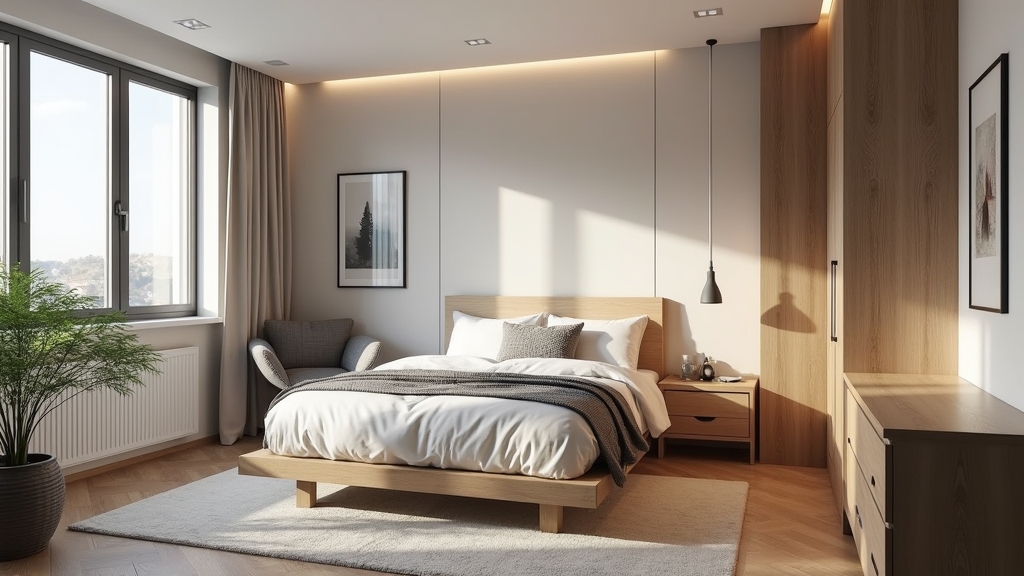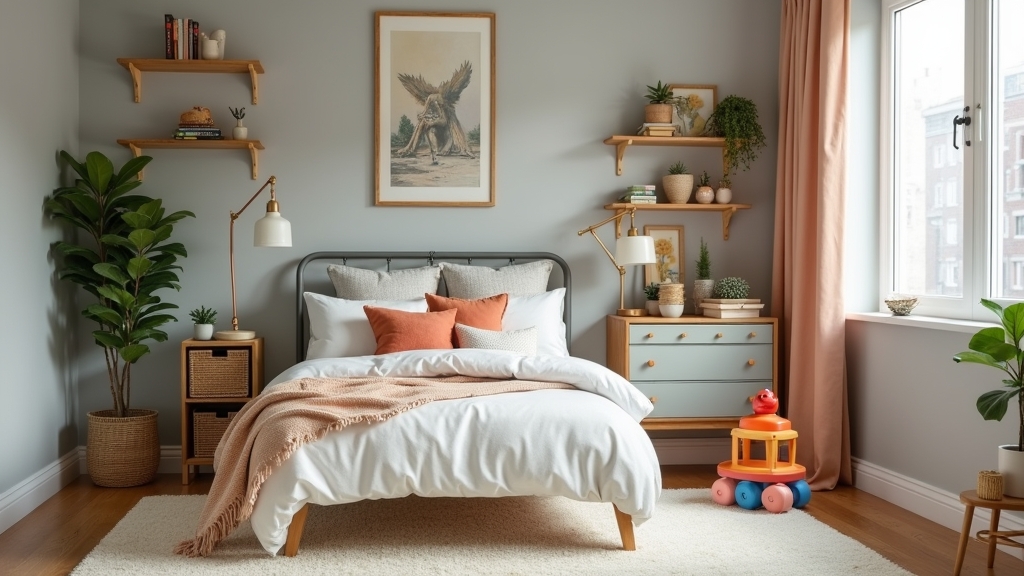
Navigating the Chaos of Shared Kids' Bedrooms
Sharing a bedroom is a rite of passage for many siblings, offering opportunities for bonding and shared memories. However, the logistical reality often involves a mountain of plastic, plushies, and building blocks that can quickly overwhelm a space. Effective kids room organization isn't just about tidiness; it’s about creating a functional environment where children can play, sleep, and take ownership of their belongings. For the eco-conscious parent, this means finding solutions that reduce waste, utilize durable materials, and grow with the children.
When faced with a shared bedroom that has become a toy-filled labyrinth, homeowners typically face a choice: embark on a DIY project or hire a professional organizer or carpenter. Both paths have merits, but the right choice depends on your budget, the architectural constraints of your home, and your long-term sustainability goals.
The DIY Approach to Toy Storage
The DIY route is often the first instinct for many families. It allows for immediate action and can be a collaborative project that teaches children about the value of their items and the importance of caring for their environment. DIY organization focuses on utilizing what you already have and supplementing with modular, affordable systems.
Repurposing and Upcycling
A sustainable home thrives on the principle of reuse. Before purchasing new furniture, look at what can be repurposed. Old wooden crates can be sanded down and fitted with casters to create under-bed bin storage. Large glass jars (with supervision) or metal tins can house small collectibles. The DIY approach encourages thinking outside the box—literally. By painting mismatched furniture in a cohesive, non-toxic color palette, you can create a unified look in a shared bedroom without the carbon footprint of buying new sets.
Modular Bin Storage Systems
One of the most effective shared bedroom ideas is the implementation of a bin storage system. For DIYers, this usually involves purchasing basic shelving units and outfitting them with baskets or bins. To keep it eco-friendly, opt for bins made from natural fibers like seagrass, jute, or recycled cotton rather than cheap plastic. Labeling these bins—using pictures for younger children and words for older ones—empowers kids to participate in the cleanup process, a vital step in maintaining order over time.
The Professional Approach to Kids Room Organization
Sometimes, the structural limitations of a room or the sheer volume of toys require a more sophisticated touch. Professional organizers and custom cabinetry experts bring a level of precision that DIY projects often lack. They focus on maximizing vertical space and creating "hidden" storage that keeps the room looking calm and minimalist.
Custom-Built Solutions
A professional can design floor-to-ceiling cabinetry that accounts for every inch of a shared room. In a small bedroom, this might mean building storage directly into bunk bed frames or creating window seats that double as deep toy chests. These solutions are often more sustainable in the long run because they are built to last decades, rather than the few years a low-quality flat-pack shelf might survive.
Expert Zoning Strategies
Professional organizers specialize in "zoning." In a shared room, this is crucial. They can help define which areas are communal and which are private. By creating distinct zones for each child’s specific interests—perhaps a reading nook for one and a building station for the other—they reduce the friction that leads to toy clutter spilling across the entire floor. Their expertise lies in the psychology of the space as much as the physical storage.
Detailed Pros and Cons
DIY Pros
- Cost-Effective: Significantly lower upfront costs, primarily spent on materials.
- Flexibility: You can change the system as your children’s interests evolve without feeling guilty about a large investment.
- Educational: Involves children in the process of decluttering and organizing.
DIY Cons
- Time-Consuming: Researching, shopping, and assembling can take several weekends.
- Durability Issues: Unless you are a skilled woodworker, DIY solutions may not withstand the rough play of two or more children.
- Visual Clutter: Without a professional eye, DIY systems can sometimes look mismatched or bulky.
Professional Pros
- Space Maximization: Professionals find storage opportunities in corners and high spaces that DIYers often overlook.
- Aesthetic Cohesion: The result is a polished, “magazine-ready” look that contributes to a peaceful home environment.
- Longevity: High-quality materials and professional installation mean the storage stays functional for years.
Professional Cons
- High Cost: Design fees and custom labor can be a significant investment.
- Rigidity: Custom-built furniture is harder to move or reconfigure if the room’s purpose changes (e.g., as kids become teenagers).
- Lead Time: You may have to wait weeks or months for a professional's schedule and the fabrication of custom pieces.
Cost Comparison
The financial difference between these two paths is substantial. A DIY bin storage setup using reclaimed materials or affordable wooden shelving might cost between $100 and $500, depending on the scale. Most of this budget goes toward high-quality bins and safety anchors (essential for any tall furniture in a child's room).
A professional intervention, however, typically starts at $1,500 and can easily exceed $5,000 for custom-built cabinetry and expert organization services. While the upfront cost is higher, the value added to the home and the reduction in stress can provide a different kind of return on investment. From a sustainability perspective, spending more on one permanent, high-quality solution is often better than buying and replacing cheap furniture three times over ten years.
Best Use Cases for Each
Choose DIY when:
- You are living in a rental home where you cannot install permanent fixtures.
- The children are at an age where their toy types are changing rapidly (e.g., transitioning from large toddler toys to small building sets).
- You enjoy hands-on projects and have the time to dedicate to sorting and labeling.
Hire a Professional when:
- The bedroom has an unusual layout, such as sloped ceilings or awkward alcoves.
- You have three or more children sharing a single space and floor area is at a premium.
- You want a permanent, high-end solution that integrates with the rest of your home’s architecture.
Final Recommendation
If you are looking for a balanced, sustainable approach, I often recommend a "hybrid" strategy. Hire a professional to install high-quality, permanent shelving or built-ins that utilize the vertical space of the room. Then, use DIY techniques to fill those spaces. Choose your own sustainable bin storage, create your own labels, and involve your children in the daily maintenance of the system. This provides the structural integrity of a professional build with the personal touch and adaptability of a DIY project. Regardless of the path you choose, remember that the most sustainable toy storage is the one that encourages less consumption and more mindful play.