Why Your Old Nightstand Deserves a Second Life
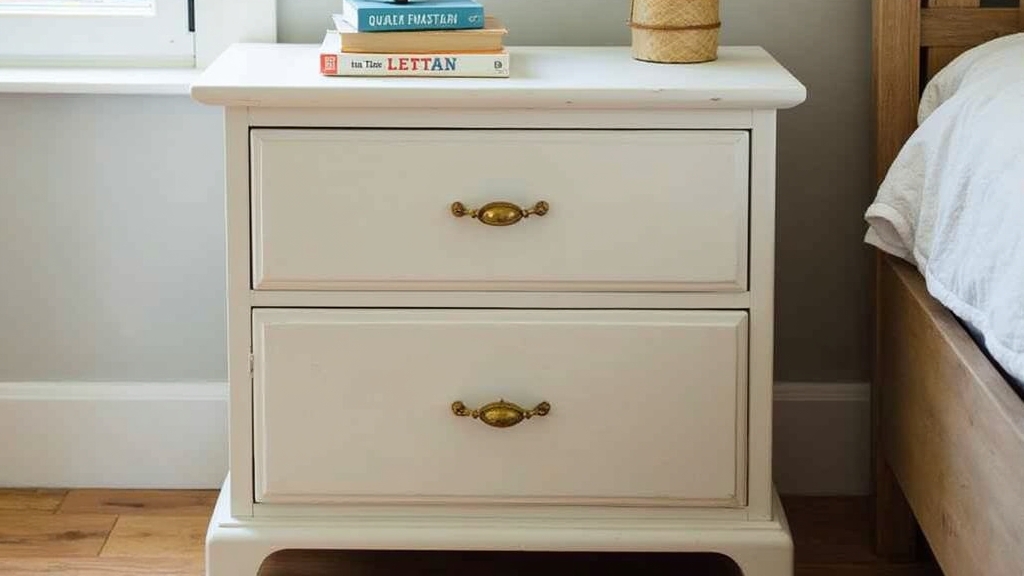
In a world dominated by fast furniture, we often overlook the sturdy, albeit slightly worn, pieces already in our homes. Upcycling furniture isn't just about saving money; it's a core tenet of sustainable living that keeps quality materials out of landfills. Here is the thing: most vintage or older nightstands are constructed with solid wood joinery that far outlasts modern particle-board alternatives. By choosing to refurbish, you are investing in a long-term solution that benefits both your bedroom decor and the planet.
Root Causes of Furniture Degradation
Before diving into the aesthetics, we must understand why furniture deteriorates. This helps in implementing permanent fixes rather than temporary cosmetic cover-ups.
Moisture and Humidity Fluctuations
Wood is a hygroscopic material, meaning it absorbs and releases moisture. Over decades, this constant expansion and contraction lead to cracked veneers, warped drawer runners, and weakened glue joints. In many cases, what looks like a broken piece of furniture is simply a victim of environmental stress.
Finish Failure and Chemical Wear
Older finishes, particularly nitrocellulose lacquers or shellacs, eventually become brittle. They are also susceptible to damage from common household items like alcohol-based perfumes or water rings from a glass left without a coaster. What most people miss is that once the finish is compromised, the wood beneath begins to oxidize and rot, making the refurbishment urgent.
Immediate Steps: The Refurbishment Process
To ensure a permanent, professional-grade result, follow these specific steps. This isn't just a quick coat of paint; it’s a structural restoration.
Step 1: Deep Cleaning and Assessment
Remove all hardware and clean the surface with a solution of warm water and a mild, eco-friendly degreaser. Now, the important part: you cannot skip this. Residual oils from fingers or furniture polish will prevent new paint from adhering, leading to peeling within months. Check for structural wobbles and loose joints during this phase.
Step 2: Structural Repairs
If the nightstand is unstable, don't just tighten the screws. Disassemble the loose joints, scrape away the old, brittle glue, and apply a high-quality wood glue. Use clamps to hold the piece for at least 24 hours. This is a permanent fix that returns the nightstand to its original structural integrity.
Step 3: Strategic Sanding
Many DIYers fear sanding, but it is the foundation of a painted nightstand that lasts. Use 120-grit sandpaper to remove the old finish and 220-grit to smooth the grain. Something to keep in mind: if your piece is pre-1978, test for lead paint before sanding. For modern pieces, use a HEPA-filtered sander to keep your indoor air quality clean.
Step 4: Choosing Sustainable Materials
This is where it gets interesting. Traditional oil-based paints release Volatile Organic Compounds (VOCs) for years. Opt for Mineral-based paints (like clay or chalk paint) or Milk Paint. These are non-toxic, biodegradable, and provide a depth of color that mimics high-end antique finishes. The good news is that these paints are breathable, which actually helps the wood manage moisture better over time.
Step 5: Applying the Finish
Apply thin, even coats rather than one thick one. For a long-term solution, use a high-quality primer if you are transitioning from a dark wood to a light color. This prevents 'tannin bleed,' where the natural oils of the wood seep through and discolor your new paint job.
Long-Term Prevention Strategies
A refurbished nightstand is only as good as the care it receives afterward. To ensure your furniture DIY project remains a centerpiece for decades, implement these strategies.
Environmental Control
Maintain a consistent humidity level in your bedroom (between 35% and 55%). This prevents the wood from moving excessively, which preserves both the joints and the paint film. Avoid placing your nightstand directly over heating vents or in the path of prolonged, direct sunlight, which can fade the finish and dry out the timber.
Protective Barriers
On the other hand, even the best finish needs help. Use felt pads on the bottom of lamps or decorative items to prevent scratches. For the top surface, consider a custom-cut piece of glass or a high-quality wax finish that can be buffed and reapplied every few years. This creates a sacrificial layer that takes the brunt of daily wear.
Proper Cleaning Habits
Avoid silicone-based aerosol sprays. These create a buildup that is nearly impossible to remove and can actually damage modern eco-friendly paints. Instead, use a damp microfiber cloth for dusting. This simple change significantly extends the life of the painted surface.
When to Call a Professional
While most nightstand projects are manageable for a homeowner, worth mentioning are the scenarios where an expert is required. If the piece is a genuine antique with historical value, DIY stripping can destroy its investment worth. Additionally, if the piece has extensive woodworm damage or complex marquetry (inlays) that is lifting, a professional furniture restorer has the specialized vacuum chambers and hide glues necessary to save the piece without further damage.