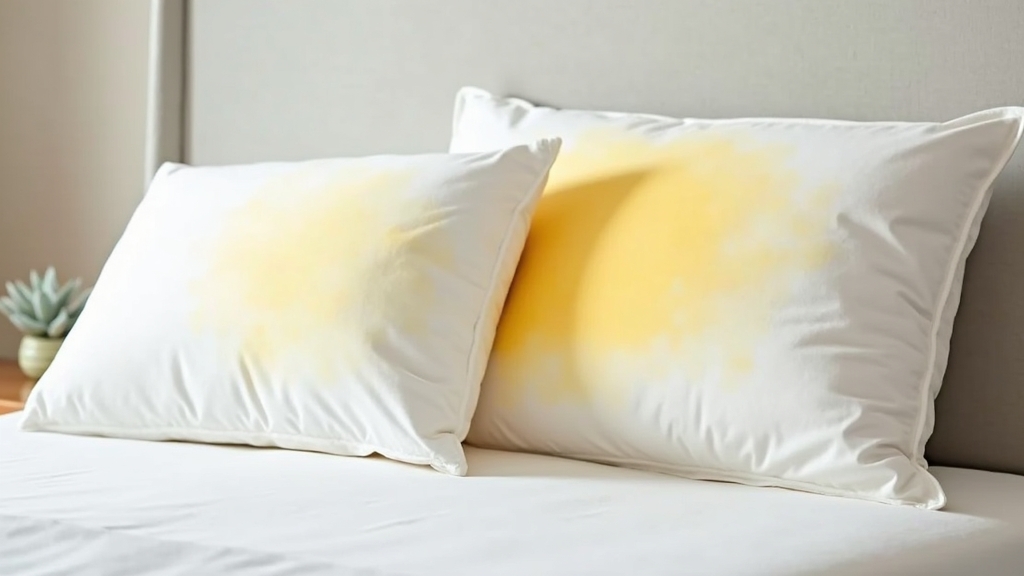
In my thirty years on job sites, I’ve learned that the foundation of a good home isn’t just the framing or the foundation—it’s how you maintain the things inside it. One of the most common maintenance issues I see in bedrooms isn't related to the structure, but to the bedding. Yellow stains on pillows are inevitable, caused by a buildup of sweat, oils, and moisture over time. If you ignore them, they don’t just look bad; they can harbor allergens and degrade the materials. Taking your time to treat these properly is worth doing right the first time.
Understanding the Source of Yellow Stains
Before we dive into the methods, you have to understand what you're fighting. Most yellowing is organic. It’s a combination of body oils (sebum), perspiration, and sometimes residual moisture from sleeping with wet hair. Over time, these substances oxidize, much like a sliced apple turning brown. Because these are protein-based or oil-based stains, they require specific chemical reactions to break down. Small details matter here—knowing whether your pillow is down, foam, or synthetic will dictate which path you take. Trust your instincts; if a pillow feels brittle or smells deeply musty even after a surface clean, it might be beyond saving, but most can be restored with the right approach.
Method 1: The Natural Oxidizing Soak
This method relies on mild acidic reactions and oxygen-based lifting agents. It is the gentlest approach for those concerned about skin sensitivity or the longevity of delicate fabrics.
The Process
This involves creating a pre-soak solution using white vinegar and baking soda, followed by a wash with a standard oxygen-based whitener. You fill a basin or a top-load washer with hot water, add a cup of vinegar to break down the oils, and let the pillows submerge for at least an hour. Afterward, you run a cycle with a half-cup of baking soda.
Pros and Cons
- Pros: Environmentally friendly, very low cost, gentle on fabric fibers, and excellent for deodorizing.
- Cons: May require multiple treatments for deep-set, old stains; less effective on synthetic polyester fills compared to cotton.
Method 2: The Heavy-Duty Stripping Method
In the construction world, we 'strip' surfaces to get back to the base material. You can do the same with laundry. This is a more aggressive chemical approach designed to pull years of buildup out of the pillow's core.
The Process
This method uses a combination of heavy-duty detergent, powdered dishwashing detergent (which contains enzymes that break down proteins), and a laundry booster like borax or washing soda. The key here is the 'long soak.' You aren't just washing; you are emulsifying the oils. Use the hottest water the care label allows and let the pillows sit for 4-6 hours, agitating them occasionally by hand.
Pros and Cons
- Pros: Highly effective on stubborn, dark yellow stains; works well on bulkier pillows.
- Cons: Can be harsh on natural down or feathers; requires extensive rinsing to ensure all chemicals are removed.
Method 3: The Sun-Bleaching Technique
Sometimes the old ways are the best. Before high-efficiency machines, people relied on UV rays. This is a secondary treatment used after a standard wash.
The Process
After washing your pillows using either Method 1 or a standard detergent, you place them outdoors in direct sunlight while they are still damp. The UV rays act as a natural bleaching agent, helping to dissipate remaining discoloration without the use of harsh liquid bleach.
Pros and Cons
- Pros: Completely free, provides a fresh scent that machines can't replicate, and kills surface bacteria.
- Cons: Dependent on weather conditions; can take a long time; excessive sun exposure can eventually weaken some synthetic fibers.
Cost and Efficacy Comparison
When comparing these methods, we have to look at the 'return on investment.' As a contractor, I look at the cost of materials versus the time spent. The Natural Soak costs pennies—mostly the price of a gallon of vinegar. It’s high-effort but low-risk. The Heavy-Duty Stripping method involves purchasing specific boosters and detergents, perhaps costing a few dollars per load, but it has the highest success rate for pillows that haven't been cleaned in years. Sun-Bleaching is a zero-cost 'finishing' step that I recommend regardless of the washing method chosen.
Best Use Cases by Pillow Type
Not every pillow is built the same. If you have a Memory Foam pillow, do not put it in the washing machine or soak it deeply; it will act like a sponge and may never dry, leading to mold. For foam, use a localized version of Method 1 (spot cleaning). For Down and Feather pillows, avoid the heavy-duty stripping method as it can strip the natural oils from the feathers, making them brittle. Stick to a gentle natural soak. Synthetic/Polyester pillows are the workhorses; they can usually handle the Heavy-Duty Stripping method without issue.
Final Recommendation
If you are dealing with standard yellowing from six months of use, start with the Natural Oxidizing Soak. It’s worth doing right the first time without over-treating the fabric. However, if you've pulled a pillow out of storage that looks more brown than yellow, don't waste time—go straight to the Heavy-Duty Stripping Method. Always finish by drying the pillows with dryer balls (or clean tennis balls) to restore the loft. A flat pillow is just as useless as a stained one. Take your time with the drying process; moisture trapped in the middle is the enemy of a healthy bed.