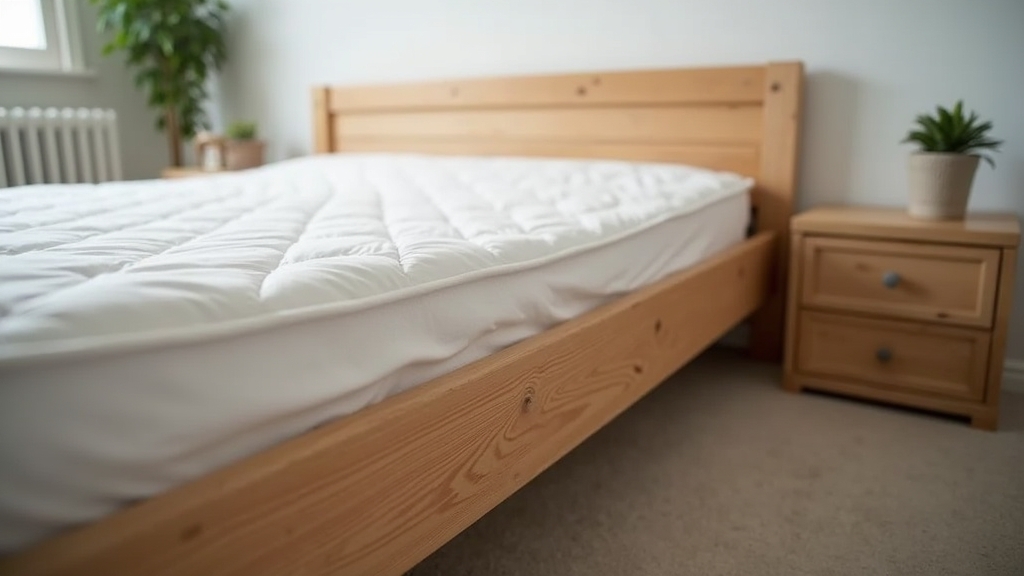
Silencing the Night: Professional Solutions for a Squeaky Bed
Here is the thing: a squeaky bed frame is more than just a minor annoyance; it is a persistent disruptor of REM sleep that can lead to chronic fatigue. In my ten years as a maintenance technician, I have found that most people tolerate a noisy bed for months because they assume the frame is simply 'old.' The good news is that almost every squeak is caused by physics—specifically friction between two surfaces—and can be fixed with the right mechanical approach.
Now, the important part is identifying the specific source before you start tightening every bolt in sight. A bed is a system of components: the frame, the foundation (box spring), the mattress, and the floor. To find the culprit, perform a 'stress test' by removing the mattress and applying pressure to different areas of the frame. If it groans when you push a specific corner, you’ve found your target.
Diagnosing the Source of the Noise
Before diving into repairs, you must isolate the noise. What most people miss is that the squeak often isn't the frame at all. Sometimes it’s the mattress inner-springs or the wooden slats of a box spring rubbing against a metal rail.
The Floor-to-Frame Connection
This is where it gets interesting. Often, the squeak occurs where the bed feet meet the flooring. On hardwood or laminate, a slightly unlevel frame will micro-shift, creating a high-pitched chirp. Worth mentioning is that even a 1/16th-inch gap can cause significant noise under the weight of two adults.
Joint Friction and Hardware Fatigue
Metal-on-metal or wood-on-wood friction at the joints is the primary cause of 90% of bed noises. Over time, the seasonal expansion of wood or the microscopic stretching of metal bolts creates 'play' in the joints. This play allows surfaces to rub together, creating that classic creak.
Immediate Steps for Noise Reduction
If you need a fix tonight, start with these mechanical interventions. On the other hand, if these don't work, we will move to the permanent modifications.
1. Tighten All Hardware
It sounds obvious, but hardware loosens due to the kinetic energy of movement. Use a socket wrench for hex bolts rather than a simple adjustable wrench to ensure you get enough torque. For wooden frames with screws, check if the holes have become stripped. If a screw spins freely, the joint will never stay quiet.
2. Lubricate the Contact Points
For metal frames, do not reach for standard WD-40; it is a degreaser, not a long-term lubricant. Instead, use a White Lithium Grease or a Dry Silicone Spray. These stay on the surface longer and won't attract dust. For wooden frames, rub a paraffin candle or beeswax along the edges of the slats and where the side rails meet the headboard. Something to keep in mind: wax creates a physical barrier that prevents wood-on-wood 'binding.'
3. The 'Sock Trick' and Padding
If you have wooden slats that shift, wrap the ends of each slat in old socks or scraps of felt. This cushions the contact point between the slat and the side rail. This is a classic technician's 'quick fix' that often ends up being a permanent solution.
Long-Term Prevention Strategies
If you want to ensure the bed never squeaks again, you need to address the structural integrity of the assembly. These steps move beyond maintenance into 'bulletproofing' your furniture.
Installing Nylon Washers
What most people miss when assembling furniture is the power of a washer. Between every bolt head and the frame, and between the two metal surfaces being joined, insert a nylon washer. Nylon acts as a gasket, absorbing vibration and preventing metal-on-metal grinding. This is the single most effective way to quiet a metal bed frame permanently.
Applying Industrial Felt Tape
I always carry a roll of adhesive-backed felt tape. Apply this tape to the entire length of the side rail where the slats sit. By creating a soft interface between the slats and the frame, you eliminate the possibility of wood friction. This is especially vital for platform beds where the slats are not screwed down.
Using Wood Glue for Permanent Joints
If you have a wooden bed frame that you don't plan on moving frequently, you can use wood glue on the dowels and joints. Once the glue cures, it eliminates all movement. However, this is a 'point of no return' fix—you won't be able to disassemble the bed easily without damaging the wood.
When to Call a Professional
While most bed fixes are DIY-friendly, there are times when you need an expert, such as a furniture medic or a carpenter. If you notice structural cracks in the primary load-bearing rails or if the metal welds on a high-end frame have snapped, DIY fixes like tape or grease won't help. A cracked rail is a safety hazard that requires professional reinforcement or replacement.
Additionally, if you have an antique bed made of exotic hardwoods, avoid using modern sprays or glues. A professional conservator should handle these to ensure the value and integrity of the piece aren't compromised by improper chemicals.