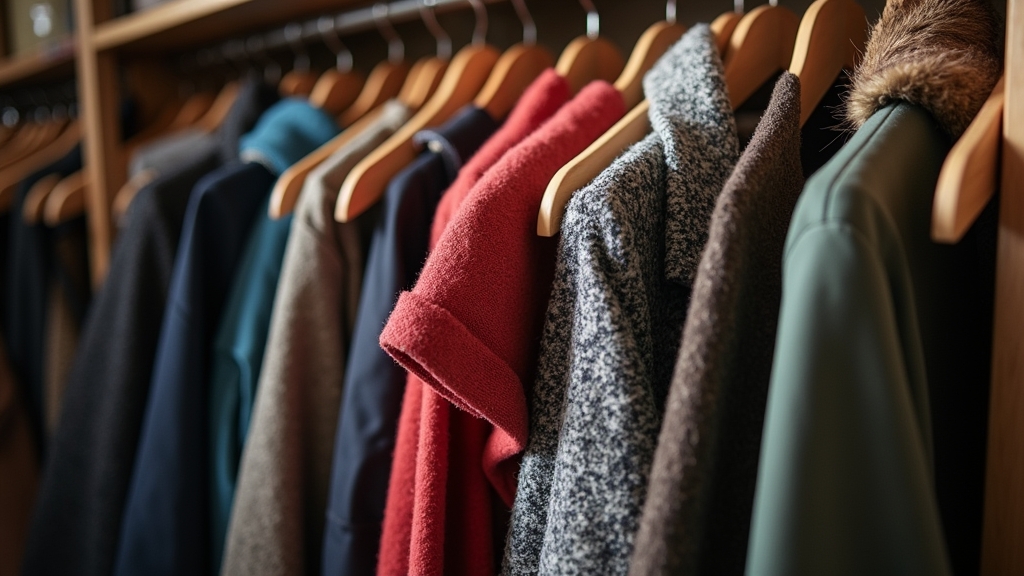
Mastering Seasonal Storage
As a renovation consultant, I’ve seen beautiful walk-in closets ruined by one thing: poor seasonal storage habits. When the temperature shifts, your bedroom sanctuary shouldn't be crowded with heavy wool coats and bulky duvets. However, simply shoving these items into a plastic bin is a recipe for permanent creases, moth damage, and musty odors. This guide focuses on the 'why' and 'how' of preserving your high-value textiles, ensuring they emerge from hibernation looking as crisp as the day you bought them.
Tools and Materials Needed
Before you begin, gather these specific items. Quality matters here; cheap plastics can off-gas chemicals that yellow white fabrics over time.
- Breathable Garment Bags: Look for cotton or non-woven polypropylene. Avoid the thin plastic bags from the dry cleaners.
- Vacuum Seal Bags: Essential for synthetic blankets, but use with caution on natural fibers.
- Acid-Free Tissue Paper: For padding sleeves and preventing color transfer.
- Cedar Blocks or Lavender Sachets: Natural deterrents for clothes moths.
- Underbed Storage Bins: Rigid plastic or fabric bins with low-profile wheels and secure lids.
- Padded Hangers: To maintain the shoulder structure of heavy overcoats.
- Desiccant Packets: Silica gel packs to manage residual moisture.
Preparation Steps
Preparation is the most critical phase. Do not rush the process; it is worth doing right the first time to avoid professional restoration costs later.
The Cleanliness Rule
Never store a garment that hasn't been cleaned, even if it looks spotless. Body oils, perfumes, and invisible food particles are magnets for pests. For wool coats, a professional dry cleaning is mandatory. For blankets, a high-heat wash and thorough dry (at least two cycles) ensure no moisture is trapped in the core fibers.
The Inspection
Check every pocket. A stray stick of gum or a forgotten receipt can cause permanent staining over six months. Inspect seams and buttons; it’s easier to make minor repairs now than to find a tattered coat in November.
Detailed Step-by-Step Instructions
Storing Winter Coats
1. Select the Right Hanger: Heavy wool or down coats should never sit on wire hangers. Use wide, padded, or wooden wishbone hangers to support the weight and maintain the garment's silhouette.
2. Stuff the Sleeves: Take your time with this. Use acid-free tissue paper to lightly stuff the sleeves. This prevents the fabric from collapsing and developing deep-set wrinkles.
3. The Garment Bag Method: Zip the coat into a breathable bag. If you are storing multiple coats in one bag, ensure they aren't compressed. Fabric needs to 'breathe' to prevent the fibers from becoming brittle.
Storing Blankets and Comforters
1. The Fold Technique: Instead of a tight roll, use a soft square fold. This reduces stress on the internal batting or down.
2. Utilizing Vacuum Seal Bags: These are perfect for synthetic 'puffer' blankets and fleece. However, for down-filled comforters, only compress them by 50%. Over-compressing can snap the delicate quills of the feathers, permanently reducing the loft (fluffiness).
3. Underbed Storage: Slide your packed blankets into underbed storage bins. This utilizes dead space in the bedroom and keeps items away from the humidity of attics or the dampness of basements.
Tips for Best Results
Small details matter here. Trust your instincts on this one: if a storage area feels damp or smells 'off,' it is not the place for your expensive woolens. Place cedar blocks in the bottom of bins, but ensure they don't touch the fabric directly to avoid oil transfer. Rotate your stored items every 3-4 months if possible to prevent permanent creasing.
Troubleshooting Common Issues
The Smell of Mothballs
If you find items smelling like mothballs, do not put them in the dryer. The heat will set the chemical odor. Instead, hang them in a well-ventilated, shaded outdoor area for 48 hours. Moving forward, switch to cedar or lavender; they are more pleasant and less toxic.
Yellowing Fabrics
Yellowing usually occurs due to 'phenolic yellowing'—a reaction between fabric and the chemicals in plastic storage bins. To fix this, always wrap items in white cotton sheets before placing them in plastic containers. If yellowing has occurred, a soak in an oxygen-based whitener (not bleach) is your best bet.
Flattened Down Filling
If your puffer coat or duvet emerges flat, toss it in the dryer on a 'no heat' or 'air fluff' setting with three clean tennis balls. The mechanical action will break up the clumps of down and restore the loft.