The Struggle for Seclusion in Urban Spaces
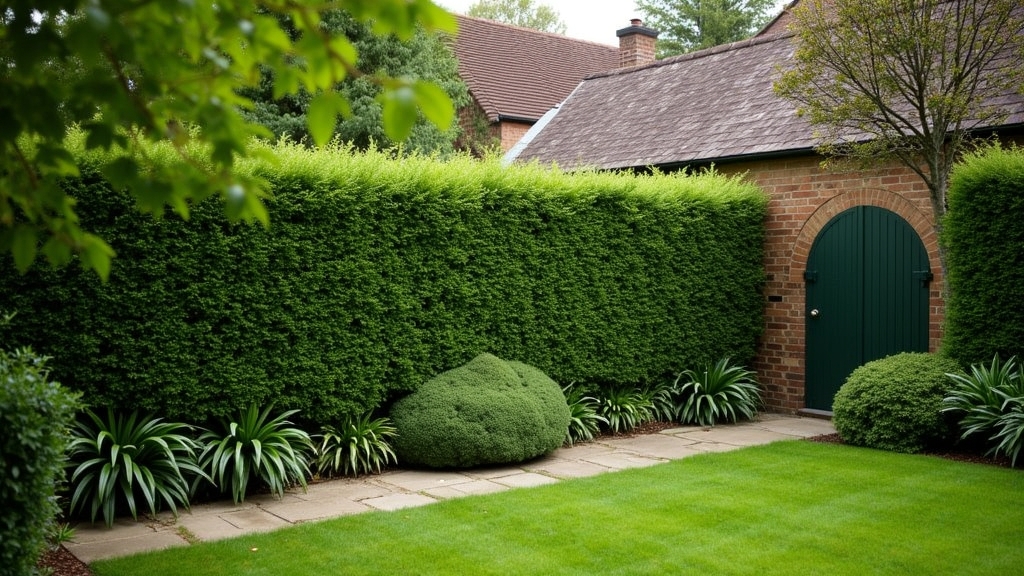
In most homes I have visited, the biggest complaint isn't actually the lack of square footage; it is the lack of privacy. Whether you are on a ground-floor patio or have a small backyard bordered by a multi-story apartment complex, the feeling of being watched can keep you from fully enjoying your outdoor space. Many gardeners rush to the local nursery and buy the first 'fast-growing' plant they see, only to find that their new living fence becomes a maintenance nightmare or dies within two seasons.
What I have found is that the desire for immediate results often leads to the most common gardening pitfalls. In my experience, a successful privacy screening project requires a balance between speed and long-term health. You aren't just planting a wall; you are cultivating a living ecosystem that needs to thrive in a specific, often cramped, urban microclimate.
Root Causes: Why Your Privacy Screening Might Fail
The real issue usually is not the plant itself, but a mismatch between the species and its environment. From experience, there are several contributing factors that cause fast-growing shrubs to fail shortly after planting.
1. The 'Instant Gratification' Syndrome
A common situation is when a homeowner buys the largest, fastest-growing plant available—usually the Leyland Cypress—without realizing that its rapid growth doesn't stop once it reaches the height of the fence. These plants can reach 60 feet, and their root systems can quickly overwhelm small garden beds or even damage nearby foundations. When plants grow too fast without proper pruning, they often become 'leggy,' leaving the bottom half of your hedge sparse and transparent.
2. Poor Soil Preparation and Drainage
One thing many people overlook is that fast-growing plants are hungry and thirsty. They need high-quality nutrients to sustain that rapid cell division. In many city gardens, the soil is compacted, full of construction debris, or lacks basic organic matter. If the roots cannot breathe or expand, the plant will stop growing upward and start showing signs of stress, such as browning leaves or pest infestations.
3. Inadequate Spacing
When we want privacy *now*, it is tempting to plant shrubs right up against one another. However, what works best is giving the plants enough room to breathe. Over-crowding leads to poor air circulation, which is a breeding ground for fungal diseases like powdery mildew or root rot. In my experience, plants that are slightly spaced apart will actually fill in faster and more healthily than those that are forced to compete for light and nutrients.
Immediate Steps to Take: Choosing the Right Plants
If you are ready to start your boundary plants today, the first step is choosing a species that fits your specific zone and space constraints. Not all fast-growing shrubs are created equal.
Recommended Fast-Growing Shrubs
- Thuja Green Giant (Arborvitae): This is a classic for a reason. It is exceptionally hardy and can grow 3 to 5 feet per year. It maintains a dense, conical shape that provides excellent year-round privacy.
- Prunus Laurocerasus (English Laurel): If you want a broadleaf evergreen, this is it. It has shiny, dark green leaves and can handle significant pruning. It grows rapidly but can be kept at a manageable height.
- Clumping Bamboo (Bambusa): For apartment dwellers with large containers, clumping bamboo (never the running variety!) offers an almost instant tropical screen. It is thin, tall, and grows incredibly fast.
- Privet (Ligustrum): These are tough as nails. They are often used for formal hedges because they can be sheared into very tight shapes.
Assessing Your Site
Before you dig, check your sun exposure. Most fast-growing shrubs require at least 6 hours of direct sunlight. If you have a shaded city alleyway, you might need to look at Taxus (Yew) or certain varieties of Holly, which grow slower but won't die in the shade. The key thing to remember is that a healthy, medium-speed plant will provide privacy sooner than a fast-growing plant that is struggling to survive in the wrong conditions.
Long-Term Prevention: Keeping Your Living Fence Healthy
Over the years, I have learned that the work doesn't end once the plants are in the ground. To prevent your fast-growing privacy screening from becoming a brown, patchy mess, you need a long-term maintenance strategy.
1. Implement a Pruning Schedule
What many gardeners don't realize is that pruning actually stimulates growth. For the first two years, you should 'tip' your shrubs—cutting off just the very ends of the branches. This encourages the plant to branch out laterally, creating a thicker, more opaque screen. Once the hedge reaches your desired height, a bi-annual shearing will keep it dense and prevent the inner branches from dying out due to lack of light.
2. Soil Nutrition and Mulching
In most homes, the soil gets depleted over time. Apply a 2-3 inch layer of organic mulch around the base of your shrubs every spring. This helps retain moisture, regulates soil temperature, and slowly feeds the plants as it breaks down. Avoid piling mulch against the trunk, as this can cause bark rot.
3. Consistent Irrigation
Fast growth requires a consistent water supply. One thing I've found that works wonders is installing a simple drip irrigation system. This delivers water directly to the roots, reducing evaporation and ensuring the plants don't go through 'stress cycles' during summer dry spells. A stressed plant is a prime target for pests like spider mites or aphids.
When to Call a Professional
While most homeowners can handle planting and basic maintenance, there are times when you should consult a professional arborist or landscaper. If your existing hedge is over 15 feet tall and needs significant structural pruning, doing it yourself can be dangerous. Additionally, if you notice large-scale browning or 'die-back' that spreads rapidly across multiple plants, a professional can diagnose specific blights or pests that may require industrial-grade treatments. Finally, if you are planting near property lines or underground utility pipes, a professional can help ensure you aren't violating local ordinances or risking expensive repairs.