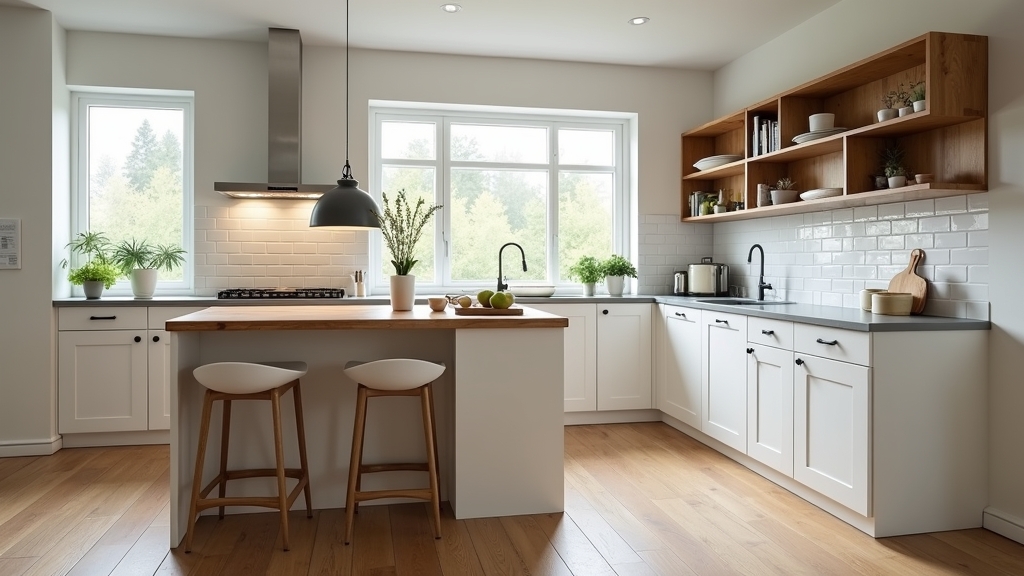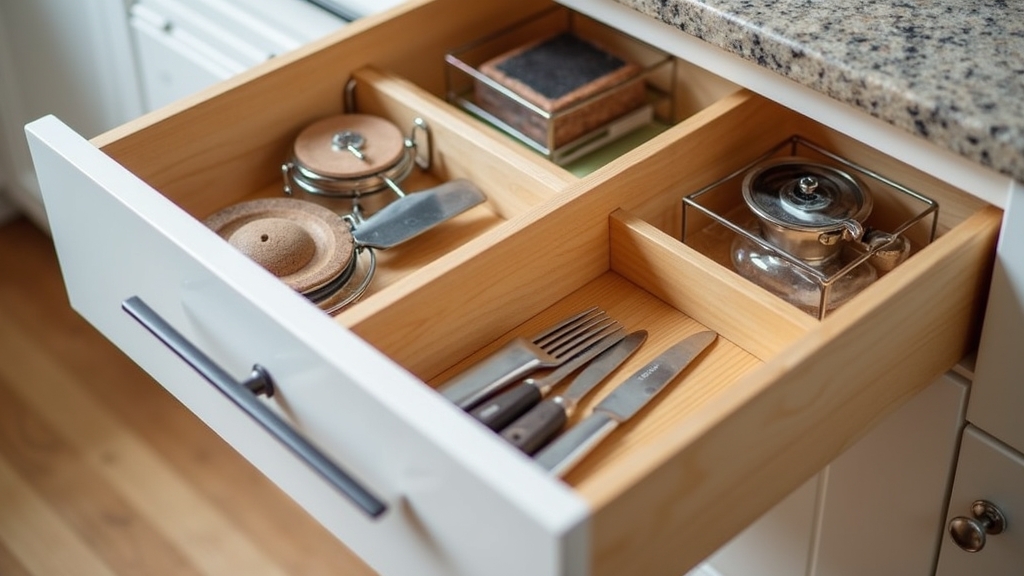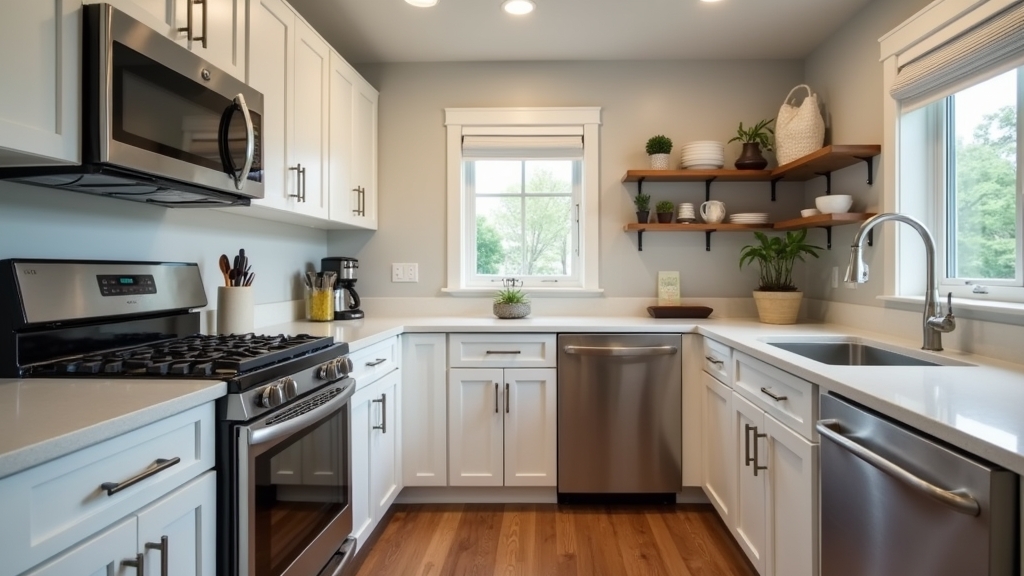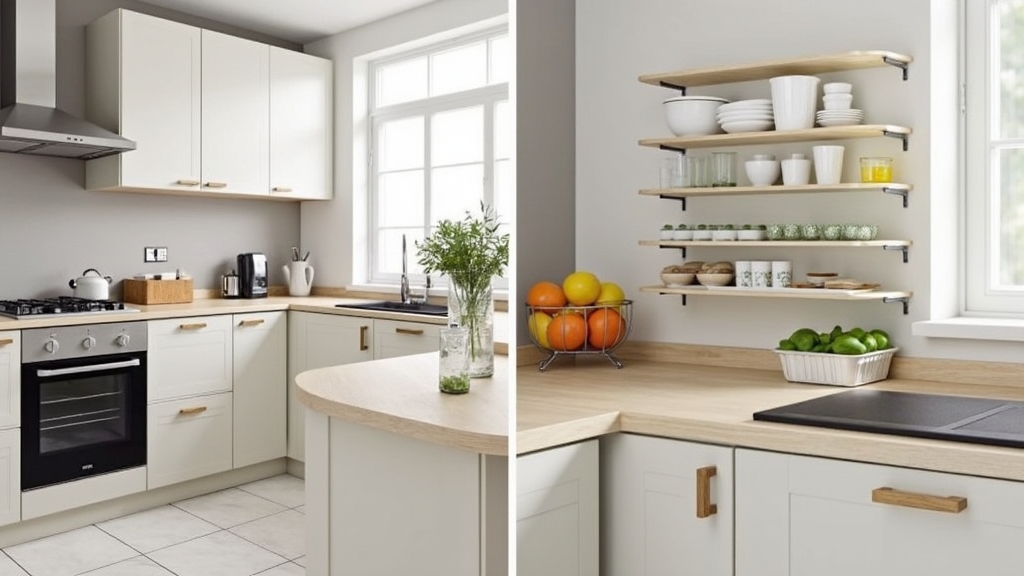
In the world of sustainable home design, efficiency is paramount. A kitchen that functions well reduces stress, minimizes food waste by keeping ingredients visible, and ensures that the physical footprint of the home is utilized to its fullest potential. One of the most persistent challenges in kitchen layout is the 'blind corner'—that deep, dark recess where countertops meet at a 90-degree angle. Without a strategic approach to kitchen cabinet organization, these areas often become 'graveyards' for rarely used appliances and expired dry goods.
Maximizing kitchen space in these corners requires a thoughtful comparison of available hardware and organizational philosophies. This guide examines the primary methods for reclaiming corner space, focusing on durability, accessibility, and resource efficiency.
The Evolution of Corner Cabinetry
Traditionally, corner cabinets were simple, cavernous voids. Homeowners had to physically crawl into the cabinet to retrieve items. As kitchen design evolved, several mechanical solutions emerged to bring the contents to the user. From a sustainability perspective, the best solution is one that balances mechanical longevity with the ability to see every item stored, thereby preventing the over-purchase of redundant supplies.
Option 1: Rotating Platforms (Lazy Susans)
The rotating platform, commonly known as a Lazy Susan, is perhaps the most recognizable solution for corner cabinets. These circular or pie-cut shelves rotate around a central pole, allowing items at the back to be spun to the front.
Pros and Cons
- Pros: Generally the most affordable option; easy to install in existing cabinetry; provides 360-degree access to smaller items like spices or cans.
- Cons: The circular shape leaves the corners of the square cabinet unused; heavy items can cause the central pole to lean or sag over time; items can fall off the edges into the 'void' behind the shelves.
Sustainability Impact
Standard rotating platforms are often made of plastic or thin metal. For a more eco-friendly approach, seek out versions made from sustainably harvested solid wood or heavy-duty recycled stainless steel. These materials offer greater longevity and are less likely to require replacement due to mechanical failure.
Option 2: Swing-Out Shelving Systems
Swing-out systems utilize a complex track and pivot mechanism. When the cabinet door is opened, a series of kidney-shaped shelves glide out of the cabinet, extending fully into the kitchen floor space.
Pros and Cons
- Pros: Excellent visibility; brings the entire contents of the cabinet out into the light; accommodates larger pots and pans better than rotating platforms.
- Cons: High mechanical complexity means more points of potential failure; requires significant clearance in the kitchen aisle to operate; often requires professional installation.
Best Use Case
This is the premier choice for homeowners with mobility issues or back pain, as it eliminates the need to bend or reach into deep spaces. It is also ideal for storing heavy cast-iron cookware that is difficult to maneuver in tight spots.
Option 3: Blind Corner Pull-Out Drawers
Often referred to as 'magic corners,' these systems consist of rectangular baskets attached to a sliding track. When you pull the first set of baskets out, the second set slides over from the hidden corner into the accessible area.
Pros and Cons
- Pros: Maximizes the cubic volume of the cabinet more effectively than circular shelves; keeps items organized in distinct baskets; prevents items from falling off into the cabinet depths.
- Cons: The most expensive hardware option; requires precise measurement and cabinet squareness; the weight limits must be strictly followed to prevent track misalignment.
Longevity and Maintenance
From a maintenance perspective, these systems require occasional lubrication of the tracks. Choosing high-quality steel runners ensures that the system will remain functional for decades, aligning with a 'buy it once' sustainable philosophy.
Option 4: Diagonal Cabinet Conversions
Rather than a 90-degree blind corner, some homeowners opt for a diagonal corner cabinet. This creates a five-sided cabinet with a door set at a 45-degree angle.
Pros and Cons
- Pros: Creates a wider opening for easier access; allows for standard-depth drawers or shelves; can provide a focal point for the kitchen layout.
- Cons: Breaks the visual line of the cabinetry; can make the kitchen feel smaller by protruding into the floor space; still leaves deep corners that require secondary organization.
Option 5: The Strategic Dead Space Method
In some minimalist or small-footprint kitchens, the most sustainable choice is to 'wall off' the corner entirely. This involves creating two standard cabinets that meet at the corner but leaving the actual corner void inaccessible.
Pros and Cons
- Pros: Zero cost; no mechanical parts to break; allows for wider, more functional standard drawers on either side of the corner.
- Cons: Loss of roughly 4 to 6 square feet of potential storage space; requires a shift in mindset regarding 'waste.'
A Sustainable Perspective on 'Waste'
While it seems counterintuitive to leave space unused, this approach often allows for larger, more accessible drawers adjacent to the corner. If the alternative is a cheap plastic insert that breaks in three years, the 'dead space' method may actually be the more resource-efficient choice over the long term, provided the homeowner practices mindful consumption and doesn't require the extra storage.
Cost Comparison Overview
Costs can vary significantly based on material quality and labor. Below is a general comparison of the investment required for each method:
- Lazy Susans: Low ($50 - $200). Best for budget-conscious refreshes.
- Dead Space: Zero ($0). Most economical and structurally simple.
- Diagonal Cabinets: Moderate ($300 - $600). Requires structural cabinet changes.
- Swing-Out Systems: High ($400 - $800). Focuses on ergonomic luxury.
- Pull-Out Drawers (Magic Corners): Very High ($600 - $1,200). Focuses on maximum volume utilization.
Final Recommendation
The right choice depends on your specific kitchen habits and the physical constraints of your space:
- For Maximum Accessibility: Choose a high-quality Swing-Out System. It brings the items to you, reducing physical strain and ensuring nothing is forgotten in the back.
- For Maximum Storage Volume: Choose Blind Corner Pull-Out Drawers. These utilize the rectangular footprint of the cabinet most efficiently.
- For Budget and Simplicity: A Wood-based Lazy Susan offers a classic, reliable solution that is easy to maintain.
- For Small Kitchens with Plenty of Other Storage: Consider Dead Space. Prioritizing the width of the drawers on either side of the corner often results in a more functional kitchen than cramming a small corner with complex hardware.
By choosing durable materials and a system that matches your lifestyle, you ensure your kitchen remains a functional, sustainable heart of the home for years to come.