The Truth About Living Fences
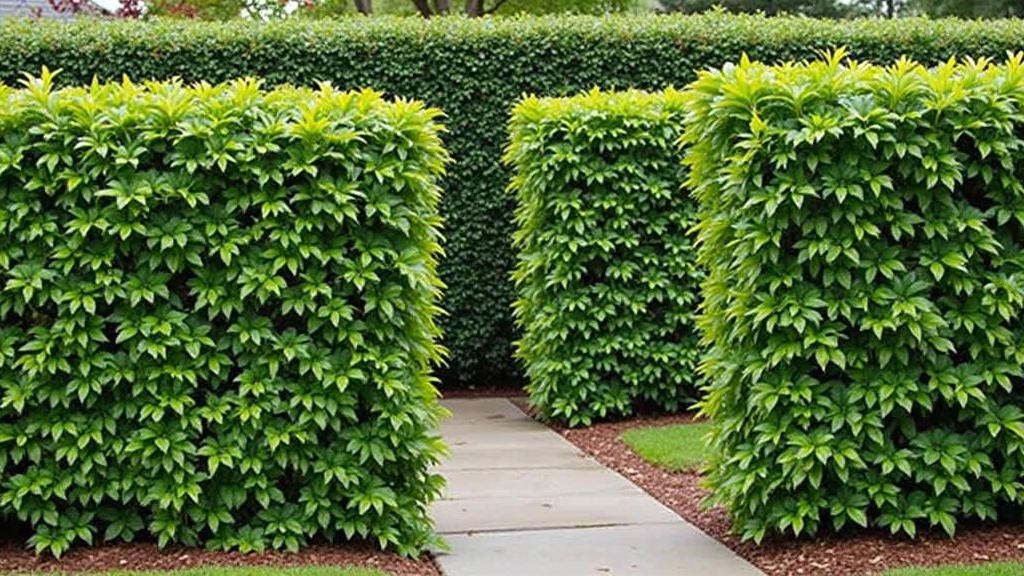
In most homes, the first instinct when neighbors move in or a new development goes up is to call a fence company. But from experience, a 6-foot cedar fence often feels more like a cage than a sanctuary. Over my 30 years in the industry, I’ve found that homeowners are much happier with 'soft' infrastructure. We call these living fences.
What works best is a strategic combination of vegetation that provides year-round coverage without the maintenance headaches of a rotting wood structure. However, the real issue usually is that people choose plants based on how they look at the garden center today, rather than how they will behave in five years. In my experience, a bad plant choice can lead to cracked foundations, invasive roots, or a screen that disappears every winter. This guide covers the most effective backyard screening trees and tall potted plants, with a realistic cost analysis you won’t find on a seed packet.
Overview of Privacy Options
When we talk about living fence ideas, we generally categorize them into three buckets: evergreen trees, deciduous shrubs, and container-grown plants. Each serves a specific purpose depending on your lot size and budget.
1. The Heavy Lifters: Evergreen Trees
These are your year-round anchors. Species like Thuja Green Giant or Emerald Green Arborvitae are the industry standards. They provide a solid wall of green that doesn't drop leaves in October.
2. The Fast Trackers: Rapid Growth Shrubs
If you have a nosy neighbor moving in next week, you’re likely looking for fast growing privacy. Plants like Privet or certain varieties of Bamboo (the clumping kind—never running!) can grow 3 to 5 feet per year.
3. The Flexible Choice: Tall Potted Plants
A common situation is a small patio or a rental where you can't dig. This is where tall potted plants come in. Using large planters with Sky Rocket Junipers or ornamental grasses can create immediate privacy on a deck.
Detailed Pros and Cons
Arborvitae (The Contractor’s Favorite)
Pros: Narrow footprint, easy to shear, and relatively inexpensive when bought in bulk. Emerald Green stays a manageable 12-15 feet.
Cons: Deer love them. In my experience, if you live near a wooded area, your living fence might become a buffet. They also hate 'wet feet'—poor drainage will kill them faster than a drought.
Clumping Bamboo
Pros: Unbeatable growth speed. It offers a modern, Zen-like aesthetic and handles wind well.
Cons: Even 'clumping' varieties need root barriers. One thing many people overlook is that bamboo sheds fine leaves constantly, which can be a nightmare near a swimming pool.
English Laurel
Pros: Massive, thick, shiny leaves that block sound better than almost any other plant. It’s a true 'living wall.'
Cons: It requires aggressive pruning. If you let it go for two seasons, you’ll need a chainsaw, not shears, to get it back in shape.
Realistic Cost Analysis
From experience, the 'sticker price' at the nursery is only about 40% of the total cost. You have to factor in soil amendments, irrigation, and labor if you aren't digging the holes yourself.
- Budget Option (DIY Bare Root): $5 - $15 per linear foot. This involves planting small whips. It takes 3-5 years to see real privacy, but it’s the cheapest way to cover 100+ feet.
- Mid-Range (3-Gallon Pots): $40 - $75 per linear foot. This is what I usually recommend. The plants are established enough to survive, and you get decent coverage in 18-24 months.
- Premium (Instant Privacy): $150 - $300 per linear foot. This involves 6-8 foot Balled and Burlapped (B&B) trees. You need a machine to move them, but the privacy is immediate.
Best Use Cases for Each
For Small Urban Backyards
What works best here is the Sky Rocket Juniper in tall containers. They have a tiny footprint (2-3 feet wide) but can reach 15 feet in height. They won't eat up your precious square footage.
For Large Suburban Perimeters
Green Giant Arborvitae is the king here. They are more deer-resistant than the Emerald Green variety and grow much faster. Plant them 5-6 feet apart for a dense screen.
For Sound Dampening
If the real issue usually is road noise, go with English Laurel or Holly. The thick, waxy leaves reflect sound waves much better than the thin needles of a pine tree.
Final Recommendation Based on Situation
Over the years, I have learned that the best 'bang for your buck' is the Thuja 'Green Giant'. It’s a hybrid that grows like a weed but maintains a tidy shape. If you have the space, a staggered double row—planting two rows in a 'zigzag' pattern—is the gold standard. This creates a thick visual and acoustic barrier much faster than a single straight line.
The key thing to remember: Buy an irrigation timer. More living fences die in the first 90 days from inconsistent watering than from any disease or pest. If you're spending $2,000 on trees, spend $50 on a hose timer and a soaker hose.