The Problem with Temporary Fire Pit Solutions
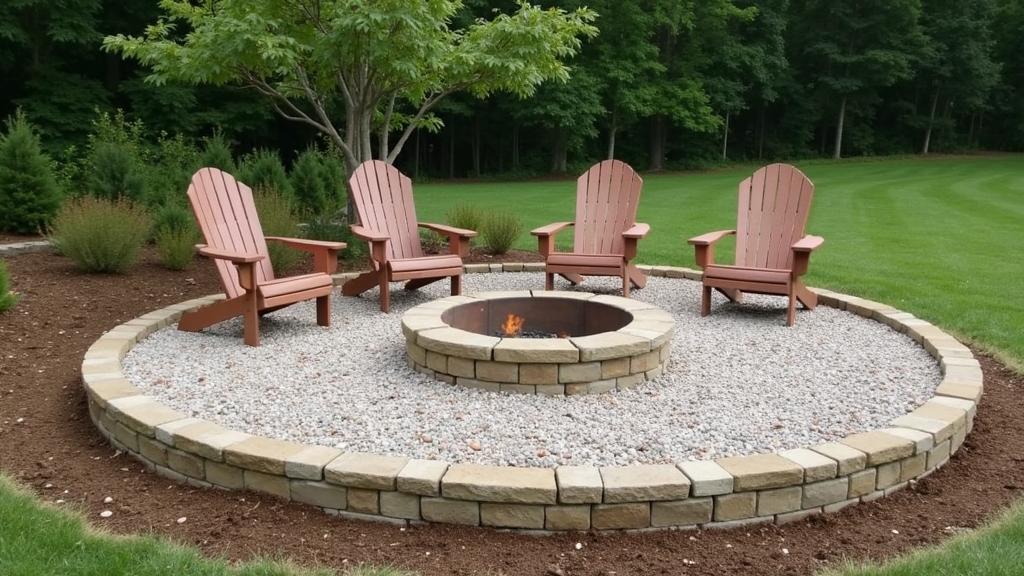
Many homeowners start their outdoor fire journey with a simple metal ring tossed onto the lawn. While convenient, this approach inevitably leads to scorched grass, muddy patches, and a constant battle against encroaching weeds. Over time, heat from the fire sterilizes the soil, while foot traffic around the pit compacts the earth, creating a drainage nightmare. To create a space that truly lasts, we need to move away from temporary fixes and toward a permanent, permeable solution. Here is the thing: A well-constructed gravel fire pit area is one of the most eco-friendly hardscaping choices you can make, as it allows rainwater to filter directly into the ground rather than creating runoff.
Root Causes of Fire Pit Failure
Before we pick up a shovel, it is vital to understand why most DIY fire pit surrounds fail within two seasons. What most people miss is the physics of soil movement and heat. When you place heavy gravel on top of soft topsoil, the stones eventually sink, and the mud rises—a process known as 'pumping.' This is exacerbated by poor drainage; if water pools under your fire pit, the freeze-thaw cycle in winter will heave your stones and ruin the level surface.
Furthermore, using the wrong base materials can create a fire hazard. Some stones, like river rocks or wet limestone, can actually explode when subjected to high heat due to trapped moisture expanding rapidly. Creating a long-term solution requires a focus on stability, permeability, and heat-resistant material selection.
Immediate Steps: Planning Your DIY Fire Pit Surround
Building a professional-grade pea gravel patio requires more than just pouring bags of stone. You need a systematic approach to excavation and layering. Now, the important part: Before digging, always call your local utility marking service to ensure you aren't hitting gas or water lines. Once the area is clear, aim for a diameter that is at least 10 to 12 feet wide; this provides a safe distance of 3-4 feet of gravel around a standard 3-foot fire pit for chairs and movement.
Excavation and Site Prep
Start by marking your circle using a center stake and a string. Remove the turf and excavate to a depth of 4 to 6 inches. This depth is non-negotiable for a permanent fix. You aren't just making room for gravel; you are creating a structural foundation. Ensure the bottom of your pit is slightly sloped (about 1 inch for every 10 feet) away from any nearby structures to manage heavy rainfall.
Master Class in Landscape Fabric Installation
This is where the longevity of your project is determined. Many people buy cheap, plastic-based weed barriers that shred within a year. This is where it gets interesting: For a fire pit base, you should use a heavy-duty, non-woven geotextile fabric. This material allows water to pass through freely but prevents the gravel from mixing with the subsoil.
Lay the fabric across the entire excavated area, overlapping seams by at least 12 inches. Secure it with landscape staples every 12 inches along the perimeter. Worth mentioning: Do not skip the edges. Ensure the fabric climbs up the side walls of your excavated hole to create a complete 'basket' for your gravel. This prevents weeds from creeping in through the sides.
Selecting the Right Fire Pit Base Ideas
While 'pea gravel patio' is the common term, you have several sustainable options. On the other hand, if you want maximum stability for chairs, consider '3/4-inch minus' crushed stone for the bottom 3 inches, topped with a 1-inch decorative layer of pea gravel. The jagged edges of crushed stone lock together, providing a firm surface that doesn't feel like walking through sand.
- Pea Gravel: Small, rounded stones that are comfortable underfoot but can be 'shifty' for heavy furniture.
- Crushed Decomposed Granite: Offers a rustic, natural look and packs down very firmly.
- Recycled Tumbled Glass: A sustainable, high-end option that adds a unique shimmer and is safe to handle.
- Lava Rock: Excellent for heat resistance but can be sharp and difficult to clean.
Long-Term Prevention and Maintenance Strategies
A permanent gravel area is low-maintenance, but not zero-maintenance. To keep your fire pit surround looking pristine for decades, you must address organic matter. Leaves and twigs that fall into the gravel will eventually break down into compost, providing a growing medium for wind-blown seeds. The good news is that a leaf blower used once a week during autumn is usually all it takes to prevent this soil build-up.
Every 3-5 years, you may notice the gravel settling slightly. Instead of a full overhaul, simply 'top-dress' the area with a few new bags of matching stone. To prevent the gravel from migrating into your lawn, install a permanent edging. Steel or heavy-duty composite edging is preferable to wood, which will eventually rot. Something to keep in mind: Set your edging about a half-inch above the grass line to act as a definitive barrier against both grass runners and gravel escapees.
When to Call a Professional
While most gravel fire pit areas are excellent DIY projects, certain conditions require a professional landscaper or civil engineer. If your backyard has a slope greater than 10%, a simple gravel pit can turn into a landslide during a heavy storm. A pro can install retaining walls or tiered 'steps' to manage the grade safely. Additionally, if you have chronic standing water or a high water table, a professional can integrate a French drain system beneath the fire pit base to ensure the area remains dry and stable.