Understanding Your Basement Floor Drain
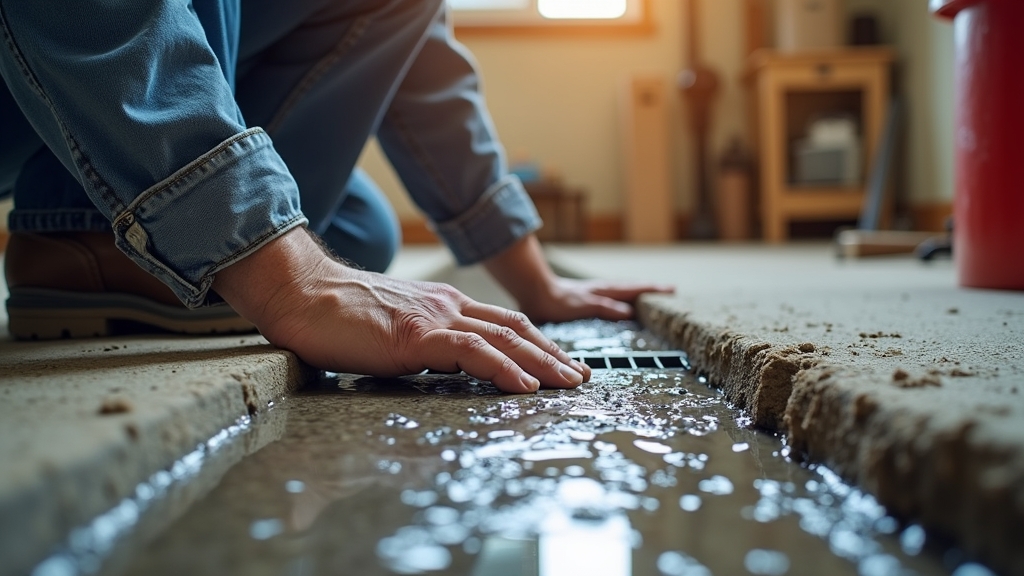
Most homeowners rarely think about the floor drain in their basement until something goes wrong. Whether it is a mysterious odor or a small puddle forming around the grate, these issues can be disruptive. However, the floor drain is one of the most critical components of your home’s plumbing system. Its primary job is to direct water away from the floor and into the sewer or septic system, preventing flooding from water heater leaks, washing machine overflows, or heavy rainfall. Here is the thing: a floor drain is not a 'set it and forget it' feature. It requires regular attention to function correctly and keep your home environment healthy.
Root Causes of Floor Drain Issues
To maintain a drain effectively, you first need to understand why it might fail. Most problems stem from a few common culprits that are often overlooked during routine house cleaning.
The Evaporated P-Trap
This is where it gets interesting. Every floor drain has a U-shaped pipe underneath it called a P-trap. This trap is designed to hold a small amount of water at all times. This water acts as a physical seal that prevents sewer gas from entering your home. Because basements are often dry and have low airflow, the water in that trap can evaporate over time. When the seal is gone, the path is open for foul-smelling and potentially hazardous gases to drift into your living space.
Accumulated Debris and Sediment
What most people miss is that the floor drain is often the lowest point in the house. Dust, pet hair, soap scum, and laundry lint naturally migrate toward the drain. Over months or years, these small particles combine with minerals in the water to create a sludge-like buildup. This restricts water flow and can eventually lead to a complete blockage, which is exactly what you want to avoid during a heavy storm or a plumbing mishap.
Tree Root Intrusion
On the other hand, some problems originate outside the house. In older homes with clay or cast-iron pipes, tree roots can find their way through small cracks or joints in search of water. Once inside the pipe, they grow quickly, creating a net that catches everything passing through the drain. This is a common cause of recurring backups that seem to happen regardless of how much you clean the drain grate.
Immediate Steps to Take When Problems Arise
If you notice a foul odor or slow drainage, you need to act quickly. Now, the important part is to address the symptoms before they turn into a full-scale basement flood.
Eliminating Sewer Gas Odors
The good news is that the most common basement drain problem—the smell of sewer gas—has the simplest fix. If you smell rotten eggs, the P-trap has likely dried out. To fix this, simply pour about a gallon of water down the drain. This restores the water seal. Worth mentioning: some homeowners add a tiny amount of mineral oil to the water; the oil floats on top and slows down the evaporation process, which is especially helpful in dry climates or during winter months.
Clearing Minor Clogs
If water is backing up, start by removing the metal grate. You may find a build-up of hair and lint right at the surface. After clearing the surface debris, you can use a manual drain snake or a plunger to dislodge deeper obstructions. Avoid using harsh chemical cleaners, as these can damage older pipes and are often ineffective against heavy sediment or root growth.
Long-Term Prevention Strategies
Consistent maintenance is the best way to ensure your basement remains dry and odor-free. By incorporating a few simple tasks into your seasonal home maintenance routine, you can prevent the majority of floor drain issues.
Regular Hydration
Something to keep in mind is that your floor drain needs water to stay 'healthy.' Make it a habit to pour a bucket of water down the drain once a month. This keeps the P-trap full and flushes out any minor sediment that has settled at the bottom of the trap. This simple task is the most effective way to prevent sewer gas from entering your home.
The Role of the Trap Primer
In many modern homes, you might have a device called a trap primer. This is a valve connected to a nearby water line (like a laundry sink or toilet) that automatically drops a small amount of water into the floor drain trap every time water is used elsewhere. If you have a trap primer but still smell sewer gas, the primer may be clogged or broken. Checking the functionality of this device once a year can save you from constant manual refills.
Visual Inspections and Cleaning
Every few months, take a flashlight and look down into the drain. If you see standing water, that’s good—it means the trap is sealed. However, if the water looks murky or you see debris, it is time for a quick cleaning. Using a long-handled brush to scrub the sides of the pipe that you can reach can prevent the buildup of 'biofilm,' which is a bacterial growth that can cause its own set of musty smells.
When to Call a Professional
While DIY maintenance covers about 90% of basement drain needs, there are times when you need specialized tools. If you experience a 'main line' backup—where water comes up through the floor drain when you flush a toilet or run the washing machine—this indicates a blockage further down the system. Similarly, if you see signs of 'backflow' (sewage coming into the house), this is a plumbing emergency that requires a professional with a high-powered camera inspection and a motorized drain auger. Attempting to clear deep-seated tree roots with consumer-grade tools can often result in stuck equipment or damaged pipes.
Summary of Maintenance Best Practices
Maintaining your basement floor drain doesn't require a large budget or professional-grade skills. It's about consistency. By keeping the trap full of water, keeping the area around the drain clear of debris, and understanding the signs of a slow-moving drain, you protect your home’s foundation and your family’s comfort. Remember, the floor drain is your basement’s last line of defense; treating it with a little bit of care goes a long way in preventing expensive repairs down the road.