Building a Productive Sanctuary Underground
As a renovation consultant, I have seen hundreds of homeowners head downstairs to escape the chaos of the main floor, only to find themselves working in a space that feels damp, dark, and uninspiring. Creating a basement home office is one of the most practical uses for underutilized square footage, but it is a project where the invisible elements—moisture, air quality, and acoustics—matter far more than the furniture you choose. Take your time with this; moving your desk into a corner without proper preparation is a recipe for burnout and costly repairs later.
The shift to remote work has made the workspace setup a priority, yet many basement conversions fail because they treat the basement like any other room. Basements are unique environments with specific thermal and hygroscopic challenges. It is worth doing right the first time to ensure your professional sanctuary doesn't become a health hazard or a source of stress.
Root Causes of Basement Office Failures
Before you pick out paint colors, we need to understand why many basement offices become uncomfortable. Most problems stem from ignoring the fundamental differences between subterranean spaces and above-ground living areas.
Moisture and Hydrostatic Pressure
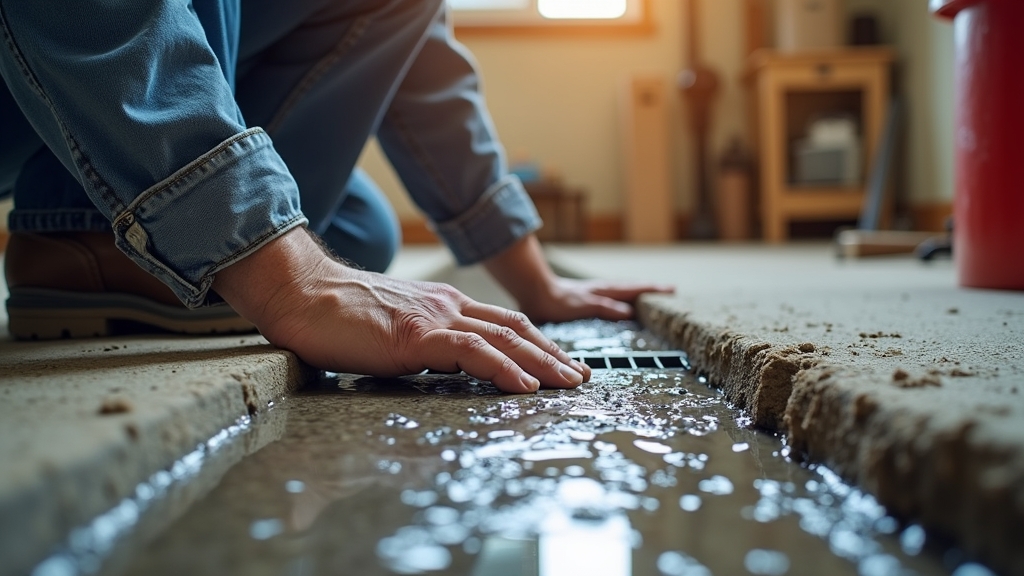
The most common cause of a failed basement finishing project is moisture. Basements are surrounded by soil that holds water. Through hydrostatic pressure, that water tries to find its way through porous concrete. If you install carpet or drywall without addressing this, you are inviting mold and mildew to live behind your walls. Small details matter here—even a tiny hairline crack in the foundation can lead to a musty smell that ruins your concentration and your equipment.
Poor Air Quality and Stagnation
Basements are naturally prone to poor ventilation. Without proper airflow, carbon dioxide levels can rise, leading to the dreaded "afternoon slump" where you feel drowsy and unfocused. Furthermore, basements are the primary entry point for Radon, a colorless, odorless gas. If you haven't tested for it, your new office could be a long-term health risk.
The "Cave" Effect: Lighting and Circadian Rhythm
Humans aren't meant to work in the dark. A lack of natural light disrupts your circadian rhythm, leading to poor sleep and decreased productivity. Many homeowners rely on a single overhead fluorescent light, which creates harsh shadows and eye strain. This root cause of fatigue is often overlooked during the initial workspace setup.
Immediate Steps to Take Before You Renovate
If you are ready to start, do not rush the process. Start with these diagnostic steps to ensure your basement is actually ready for a professional office.
Conduct a Moisture Test
Tape a 2x2 foot square of clear plastic sheeting to your basement floor and walls. Seal the edges tightly with duct tape. Wait 48 hours. If condensation forms under the plastic, moisture is seeping through the concrete. If it forms on top, you have a humidity issue. Trust your instincts on this one; if the room feels "heavy" or smells damp, you need to address the exterior drainage or interior sealing before moving a single piece of furniture.
Check Your Electrical Load
A modern office requires more power than you might think. Between high-end computers, multiple monitors, printers, and perhaps a space heater or portable AC, you can easily trip a 15-amp circuit that is shared with the rest of the basement. Map your circuits now to see what's available.
Perform a Radon Test
Before you seal up the walls and floor, buy a short-term radon test kit. It’s a small investment that provides peace of mind. If levels are high, a mitigation system should be installed before the finishing work begins.
Long-Term Prevention Strategies for a Healthy Office
To ensure your basement office remains a viable workspace for years, you must build with prevention in mind. This means choosing materials that can handle the unique stresses of a below-grade environment.
Subflooring: The Barrier Between You and the Cold
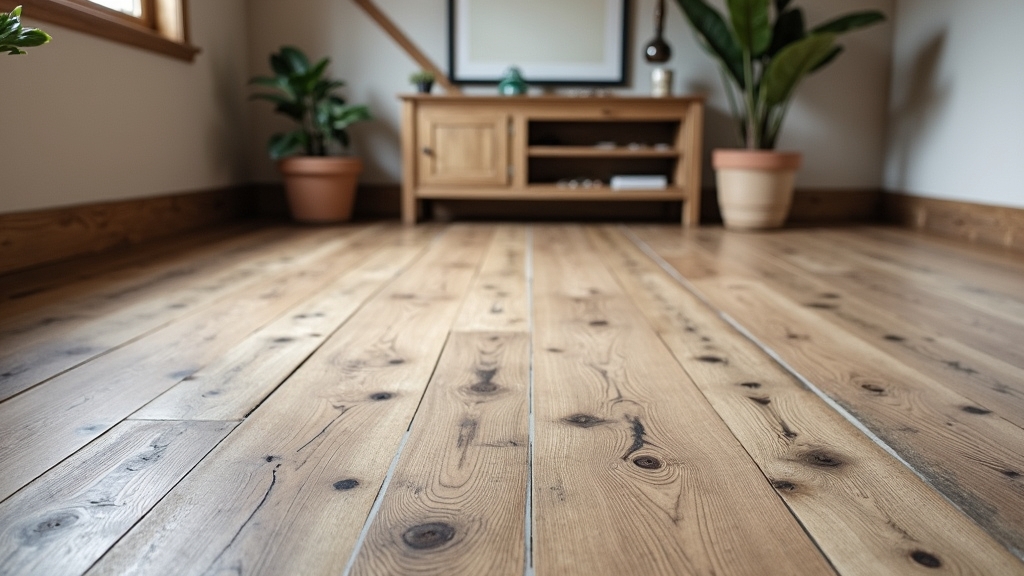
Never lay carpet or laminate directly onto concrete. Use a subfloor system like Dricore or a dimpled polyethylene membrane topped with plywood. This creates an air gap that allows the concrete to "breathe" and provides a thermal break, keeping your feet warm during winter conference calls.
Insulation and Vapor Management
Avoid traditional fiberglass batt insulation in basement walls. It can act like a sponge for moisture. Instead, use rigid foam board or spray foam directly against the foundation walls. This prevents warm, indoor air from hitting the cold concrete and condensing into water droplets. It’s a small detail that matters immensely for the longevity of your drywall.
Zoned Lighting and Visual Comfort
Prevent the "cave" feeling by using a layered lighting strategy. Combine recessed LED cans for general illumination with task lighting at your desk. If you have small windows, use mirrors on the opposite wall to bounce the natural light deeper into the room. Smart bulbs that change color temperature throughout the day—shifting from cool blue in the morning to warm amber in the evening—can help keep your internal clock on track.
Soundproofing for Focus
The basement ceiling is the main floor's drumhead. To prevent the sound of footsteps or the television from interrupting your work, install acoustic mineral wool (like Rockwool) between the joists. For ultimate silence, use resilient channels to decouple the drywall from the ceiling structure. This is worth doing right the first time, as adding soundproofing later is nearly impossible without a full demolition.
When to Call a Professional
While many aspects of a basement office are DIY-friendly, certain red flags require an expert. Do not hesitate to call a professional if you encounter the following:
- Standing Water: If you see puddles after a rainstorm, you need a waterproofing specialist or a plumber to install a sump pump.
- Cracked Foundation: Horizontal cracks or vertical cracks wider than a nickel should be inspected by a structural engineer.
- Panel Capacity: If your electrical panel is full, an electrician will need to install a sub-panel to safely power your new office.
- Egress Requirements: If you plan to use the space for anything other than just an office (like a guest room), building codes often require an egress window. This involves cutting through the foundation—a job strictly for pros.
Final Thoughts
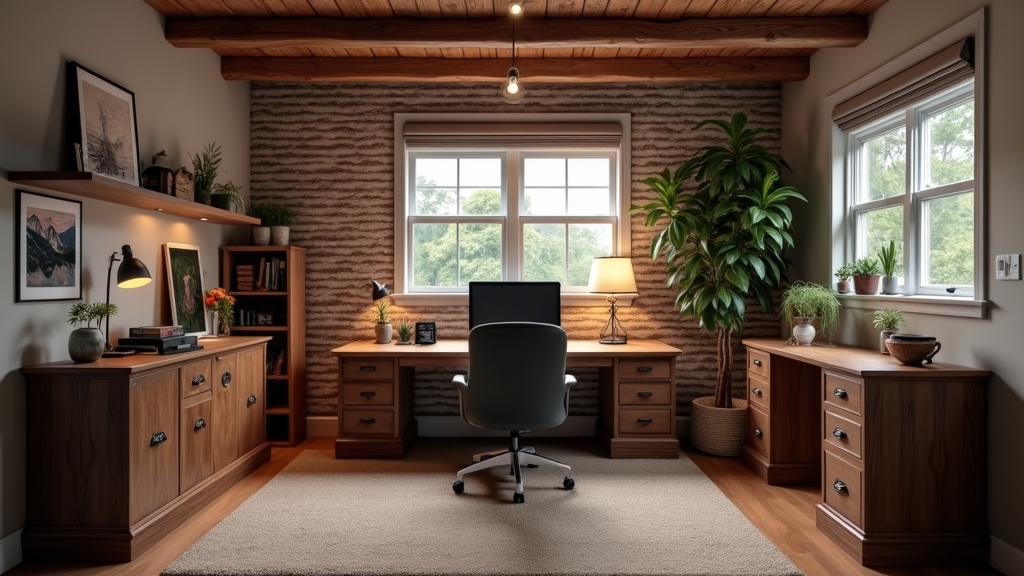
Creating a basement home office is more than just buying a standing desk and a comfortable chair. It’s about creating a controlled environment where you can do your best work. By focusing on moisture prevention, air quality, and thermal comfort, you ensure that your investment adds value to your home and your career. Take your time, plan for the invisible challenges, and you will end up with a workspace that you actually look forward to using every Monday morning.