Choosing the Best Flooring for Damp Basements
Let’s be honest: basements are notorious for being the 'trouble child' of home renovation. You want a cozy den or a functional home gym, but the constant threat of moisture makes you hesitate. Here is the thing... most homeowners jump straight to picking out colors and textures without addressing why their basement feels like a swamp in the first place.
Choosing the right basement flooring isn't just about aesthetics; it’s about science. Because basements are below grade, they are naturally prone to dampness, whether from high humidity, hydrostatic pressure, or simple condensation. But don't worry. The good news is that modern flooring technology has come a long way, and you no longer have to settle for cold, ugly concrete or moldy old carpets.
Understanding the Root Causes of Basement Moisture
Before we talk about vinyl plank or waterproof floors, we need to understand why the dampness is there. If you ignore the source, even the most expensive flooring will eventually fail.
Hydrostatic Pressure
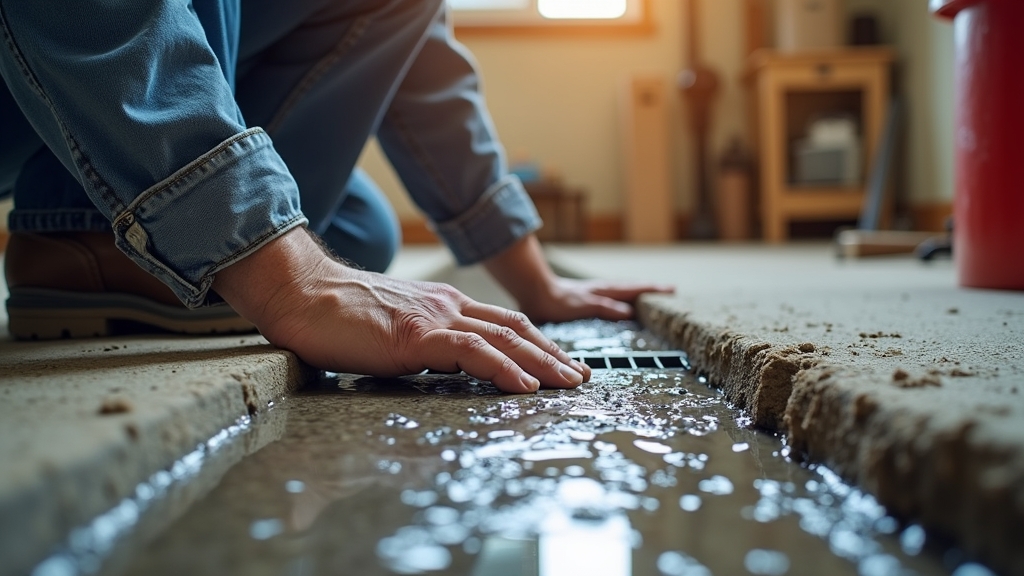
This is a fancy term for water in the soil pushing against your foundation. When the ground becomes saturated after a heavy rain, that water looks for a way out. Now, the important part... concrete is porous. It might look solid, but on a microscopic level, it’s like a sponge. That pressure can force water through tiny cracks or even through the pores of the concrete itself.
Condensation and Humidity
In the summer, warm, moist air enters the cool basement and hits the cold concrete floor. This causes condensation, much like a cold soda can on a hot day. What most people miss is that this surface moisture can be just as damaging as a leak from the outside, leading to mold growth under your floorboards.
Capillary Action
This is where moisture 'wicks' upward through the concrete slab. Even if there isn't standing water, the floor can feel perpetually damp to the touch. Something to keep in mind is that this vapor drive can ruin adhesives used for traditional flooring like glue-down engineered wood.
Immediate Steps to Take Before Installing Flooring
You’ve picked out your dream vinyl plank, but wait! You need to prep. This is where it gets interesting... you can actually test your floor’s moisture levels with items you already have at home.
The Plastic Sheet Test
Tape a 2x2 foot square of clear plastic to your basement floor, sealing all edges with duct tape. Wait 48 hours. If there is fog or droplets under the plastic, you have moisture coming up through the slab. If the moisture is on top of the plastic, you have a humidity/condensation problem. Worth mentioning is that this simple test can save you thousands in ruined materials.
Manage the Periphery
Before spending a dime on waterproof floors, go outside. Check your gutters. Are they clear? Do your downspouts extend at least 5 to 10 feet away from the foundation? Often, a damp basement is simply the result of poor drainage in the yard. On the other hand, if your yard slopes toward the house, you may need to look into a French drain or regrading.
The Best Flooring Options for Damp Basements
Now that we’ve addressed the 'why,' let's talk about the 'what.' When choosing basement flooring, we want materials that are inorganic. Organic materials (like wood or carpet fibers) provide food for mold. Inorganic materials (like PVC or stone) do not.
Luxury Vinyl Plank (LVP)
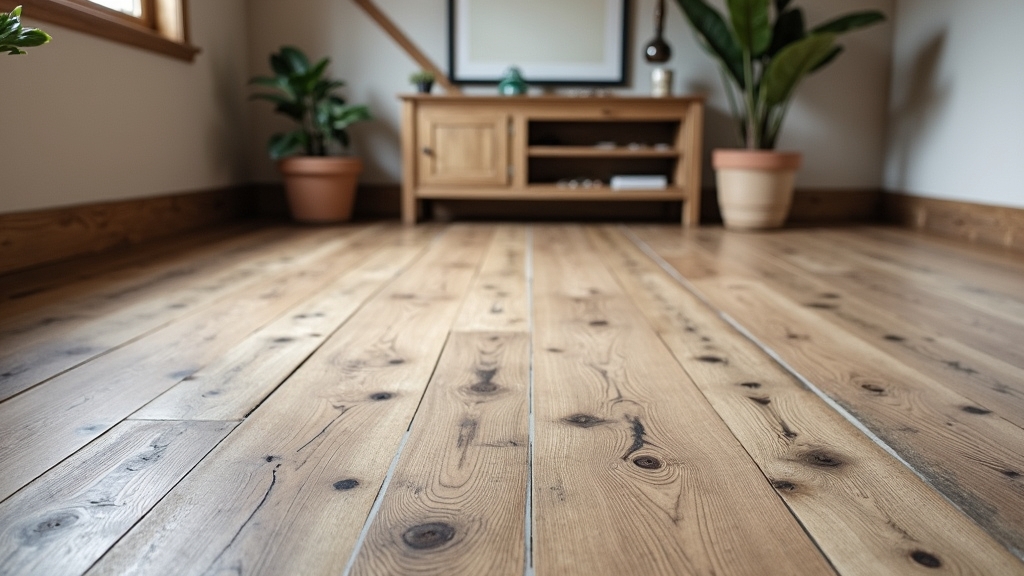
LVP is the undisputed king of the basement. It’s 100% waterproof, easy to install as a 'floating floor,' and it mimics the look of real hardwood beautifully. The important part is to choose a version with a rigid core (SPC - Stone Plastic Composite). This ensures the planks don't telegraph imperfections in the concrete subfloor.
Concrete Finish (Polished or Stained)
If you want the ultimate 'no-fail' floor, work with what you already have. A concrete finish is incredibly trendy right now. You can stain it, polish it, or apply a high-end epoxy coating. It’s completely immune to water damage and very easy to clean. Something to keep in mind: it can be cold underfoot, so you'll want to use area rugs to add warmth.
Ceramic or Porcelain Tile
Tile is an excellent choice for durability. It’s waterproof and lasts forever. However, what most people miss is the grout. Grout is porous and can harbor mold if the basement stays damp. If you go this route, ensure you use a high-quality sealer or a synthetic grout.
Long-Term Prevention Strategies
Installing the floor is only half the battle. You need to maintain a healthy environment to ensure your waterproof floors last for decades.
Vapor Barriers and Underlayment
Even if you are using waterproof vinyl plank, I always recommend a 6-mil poly vapor barrier. This prevents moisture from reaching the underside of the planks where it can get trapped and smell. This is where it gets interesting... some modern underlayments actually have dimples that allow air to circulate beneath the floor, helping moisture evaporate.
Consistent Dehumidification
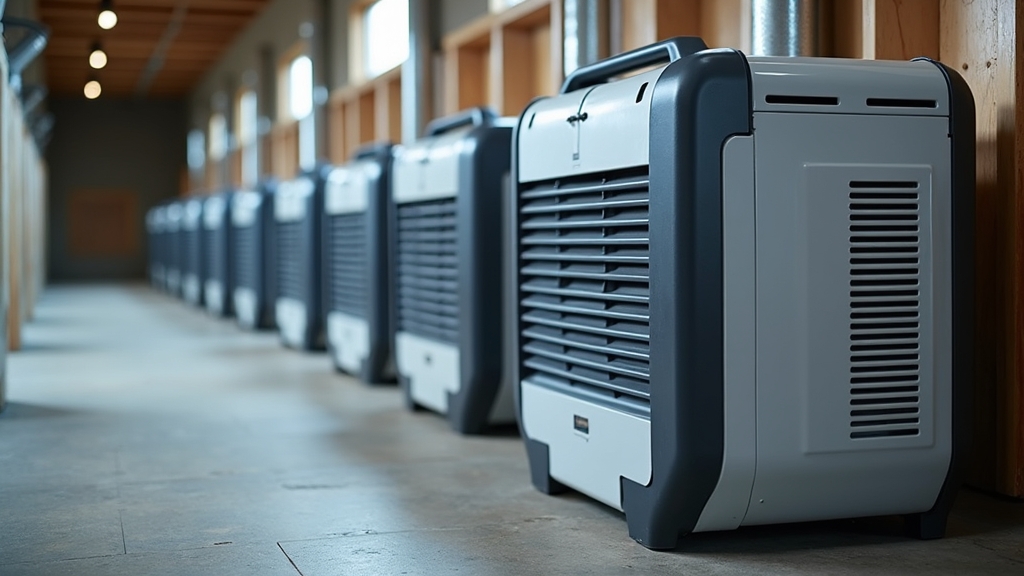
Invest in a high-capacity, energy-star-rated dehumidifier. Set it to 45-50% humidity. This prevents the 'basement smell' and protects your furniture and drywall from absorbing moisture from the air.
When to Call a Professional
I’m all for DIY, but some things require an expert. If you see wide horizontal cracks in your foundation walls, or if you have standing water that returns every time it rains, a new floor won't help. You may need a sump pump installation or professional basement waterproofing. Worth mentioning: spending $2,000 on professional drainage now is better than spending $5,000 on a ruined floor later.
Summary
Creating a beautiful basement starts with respecting the environment. By managing your exterior drainage, choosing inorganic materials like vinyl plank or a concrete finish, and using a vapor barrier, you can turn your damp basement into a functional, dry living space without breaking the bank.