A musty basement is more than just an inconvenience; it is often a signal from your home that the environment is out of balance. For many homeowners, that distinct earthy scent is something they’ve simply learned to live with, but from a sustainable living perspective, addressing it is crucial for protecting the structural integrity of your home and the health of its occupants. Here is the thing: that smell is almost always a byproduct of microbial volatile organic compounds (mVOCs) produced by mold, mildew, and bacteria flourishing in damp conditions.
Understanding the Source of Basement Odors
To fix the smell, we have to understand what causes it. In most cases, basement odor removal isn't about masking the scent with sprays; it’s about moisture management. Basements are naturally prone to dampness because they are surrounded by soil, which holds water against the foundation walls. When this moisture seeps through porous concrete or enters via humid air, it creates a breeding ground for fungi.
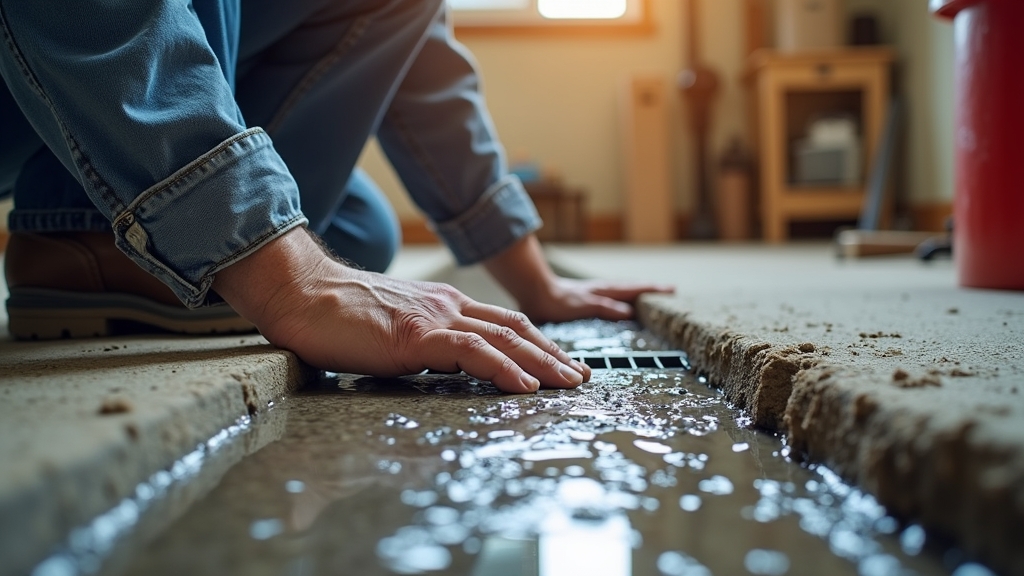
What most people miss is that the smell can also originate from dried-out floor drain traps. When the water in a P-trap evaporates, sewer gases can enter the home. Additionally, stagnant air in poorly ventilated spaces allows odors to concentrate. Something to keep in mind is that organic materials like cardboard boxes, old rugs, and drywall act as food sources for mold when damp, further contributing to the "musty basement" profile.
Overview of Odor Removal Options
Addressing basement air quality usually falls into three categories: moisture control, air purification, and structural sealing. Each comes with a different price point and level of effectiveness. The good news is that many of the most effective solutions are relatively low-cost if caught early.
Moisture Control and Dehumidification
This is the most common approach. By keeping relative humidity levels below 50%, you effectively "starve" mold of the moisture it needs to produce odors. This typically involves using a dehumidifier or improving drainage around the exterior of the home.
Air Filtration and Purification
Air purifiers equipped with HEPA and activated carbon filters can scrub the air of spores and gaseous odors. While they don't solve the moisture problem, they are excellent at managing the symptoms and improving overall air quality.
Structural Sealing and Waterproofing
For more persistent issues, sealing cracks in the foundation or applying vapor barriers to crawl spaces may be necessary. This is a more permanent, albeit more expensive, solution that prevents moisture from entering in the first place.
Detailed Pros and Cons
Dehumidifier Usage
Pros: Highly effective at preventing new mold growth; relatively easy to install; provides immediate results in air feel.
Cons: Requires ongoing electricity costs; needs regular maintenance (emptying buckets or cleaning filters); can be noisy.
Air Purification
Pros: Specifically targets airborne particles and VOCs; improves health for allergy sufferers; portable.
Cons: Does not stop the source of moisture; expensive filter replacements; limited coverage area per unit.
Exterior Drainage Improvements
Pros: Tackles the root cause of dampness; zero operational costs once installed; protects foundation longevity.
Cons: High upfront labor or time investment; may require significant landscaping changes.
Realistic Cost Analysis
Now, the important part: what will this actually cost you? This is where it gets interesting because the most expensive option isn't always the most effective for every home.
Low-Cost Fixes ($0 to $100)
- Floor Drain Maintenance: Pouring a gallon of water down the floor drain to refill the trap costs nothing but a few cents in water.
- Cleaning with Vinegar: Using white vinegar to scrub surfaces (rather than bleach, which is less effective on porous surfaces) is an eco-friendly and inexpensive way to kill surface spores.
- Decluttering: Removing old cardboard and organic debris is free and significantly reduces the "fuel" for odors.
Mid-Range Solutions ($200 to $800)
- Quality Dehumidifiers: A high-capacity, Energy Star-rated unit typically costs between $250 and $500. Worth mentioning: budget for an additional $10-$20 per month in electricity costs.
- Gutter and Downspout Extension: Redirecting rainwater away from the foundation is a DIY-friendly task that usually costs under $300 in materials.
- HEPA Air Purifiers: A unit capable of handling a basement-sized room ranges from $200 to $600.
High-End Remediation ($1,500+)
- Professional Mold Remediation: If the odor is backed by visible growth over a large area, professionals may charge $1,500 to $5,000 depending on the severity.
- Sump Pump Installation: Installing a new sump pump system can range from $1,200 to $2,500.
- Interior/Exterior Waterproofing: This can range from $3,000 to $10,000+ for comprehensive perimeter drains and membrane installation.
Best Use Cases for Each Solution
Choosing the right path depends on your specific situation. On the other hand, if you choose the wrong method, you may end up spending money without fixing the smell.
- Use a Dehumidifier if: Your basement feels "heavy" or humid, but there is no standing water or active leaks. This is the gold standard for general mustiness.
- Use Air Purification if: You have addressed the moisture but lingering odors remain, or if household members have high sensitivity to spores.
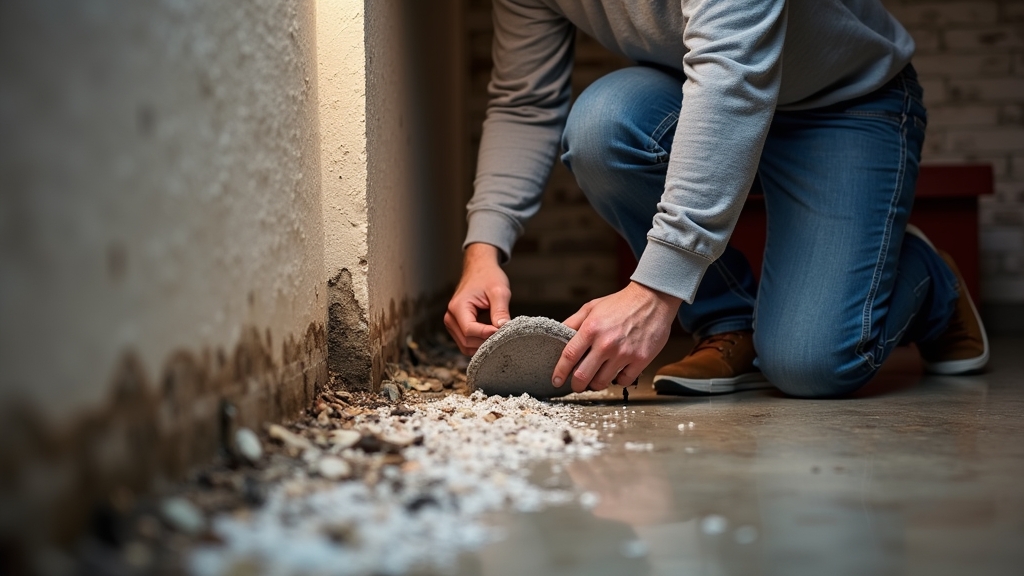
- Use Structural Sealing if: You see visible "weeping" or white powdery stains (efflorescence) on the concrete walls.
- Use Drainage Maintenance if: The smell only appears after heavy rain or snowmelt.
Final Recommendation
If you are dealing with a typical musty basement, the most sustainable and cost-effective approach is a tiered strategy. Start by cleaning surfaces with vinegar and ensuring all floor drains have water in their traps. Simultaneously, clear out any damp cardboard or old textiles. If the smell persists, invest in a high-quality dehumidifier with a continuous drain hose—this eliminates the need for manual emptying and ensures consistent humidity levels. Only move toward professional waterproofing if these steps fail to manage the dampness during seasonal changes.