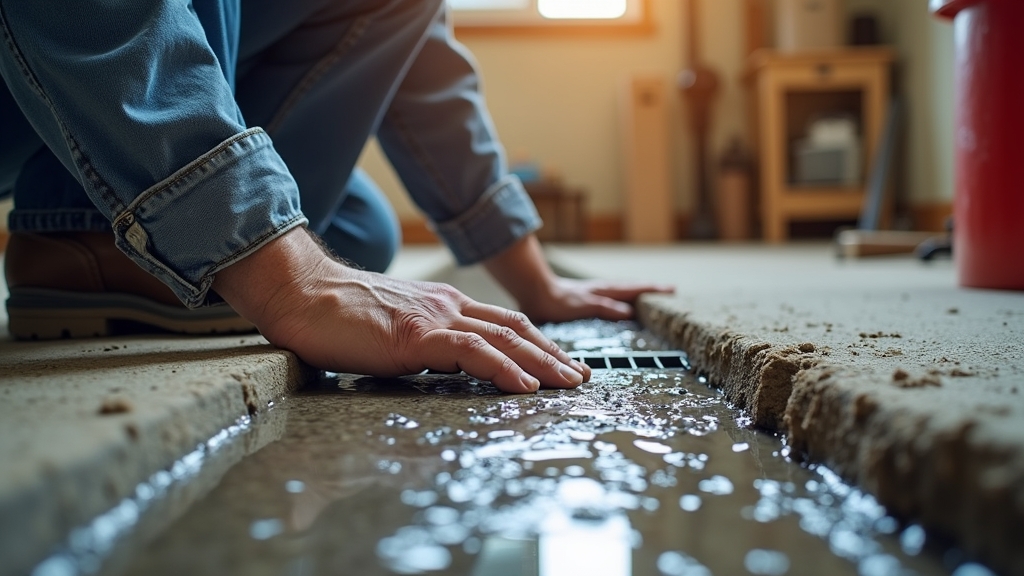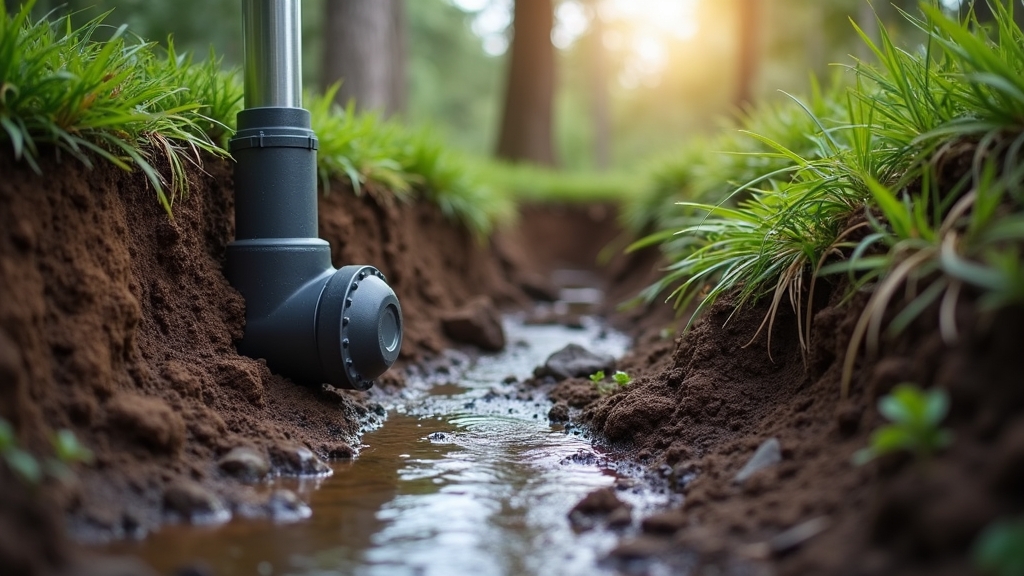
In most homes with a basement, the sump pump is the unsung hero of structural integrity. However, relying on a single mechanical device powered by a volatile electrical grid is a gamble that eventually leads to disaster. From experience, homeowners often wait for a catastrophic storm to realize their primary pump is insufficient. A basement flood isn't just a financial burden; it’s an environmental one, often resulting in the disposal of ruined drywall, insulation, and flooring into landfills. Installing a high-quality backup system is the most sustainable way to protect your home’s footprint and your peace of mind.
Root Causes of Sump Pump Failure
The real issue usually isn't the pump itself, but the circumstances surrounding its operation. Understanding why primary pumps fail helps in selecting the right backup. In my experience, these are the three most common culprits:
- Power Outages: Severe storms often knock out local grids precisely when the water table is rising, rendering a standard electric pump useless.
- Mechanical Switch Failure: The vertical or tethered float switch is the most frequent point of failure. Over time, these can become stuck against the basin wall or simply wear out.
- Debris and Clogging: Small stones or silt can migrate into the basin, jamming the impeller. If the primary pump can't move water, it will eventually burn out its motor.
Immediate Steps for Current Issues
If you notice water rising or your pump making unusual noises, immediate intervention is required before you can implement a long-term solution. First, manually lift the float switch to check if the motor engages. One thing many people overlook is the discharge pipe; ensure the exterior exit point is clear of ice, mulch, or debris. If the pump is hummimg but not moving water, the check valve may be stuck or the impeller might be air-locked. A common situation is finding that a simple $20 check valve replacement could have saved an entire basement from flooding.
Long-Term Prevention: Selecting a Backup System
What works best for long-term sustainability is a tiered approach. You want a system that doesn't just react, but provides redundancy. There are two primary paths for backup protection: Battery-powered and Water-powered.
Sump Pump Battery Backups
A sump pump battery system uses a secondary DC-powered pump installed alongside your primary AC pump. Over the years, I have learned that the battery choice is more important than the pump itself. Traditional lead-acid batteries are affordable but require monthly distilled water top-offs. For a more sustainable, low-maintenance choice, I recommend Absorbent Glass Mat (AGM) or Lithium-Ion batteries. These offer longer lifespans and better discharge cycles. The key thing to remember is that a battery backup is only as good as its charge controller; ensure yours features a smart-charging system to prevent overcharging and premature battery failure.
Water-Powered Backup Pumps
For those on municipal water, a water-powered backup is often the superior long-term solution. These systems use the pressure of your home’s incoming water supply to create a vacuum (the Venturi effect) that sucks water out of the sump pit. Because they require no electricity and have no batteries to replace or recycle, they are incredibly eco-friendly. What I have found is that these pumps can run indefinitely during a power outage, provided your city water stays on. However, they are not suitable for homes on private wells, as the well pump requires electricity to function.
The Dual-Pump Pro Configuration
If you are serious about flooding prevention, a pre-assembled dual-pump system is the professional standard. These kits include a high-output primary pump and a secondary backup pump already plumbed together with a heavy-duty check valve. This removes the risk of "DIY plumbing errors" where a backup pump might inadvertently pump water back into the pit rather than out of the house.
Maintenance as a Sustainability Practice
Extending the life of your hardware reduces waste. Perform a "bucket test" every six months: pour water into the pit until the pump engages. Listen for grinding noises which indicate bearing wear. Every two years, disconnect the pump and clear the intake screen. From my experience, a well-maintained pump can last 10-15 years, whereas a neglected one often fails within five. Replacing a sump pump battery every 3-5 years is also vital to ensure it holds a full charge when the power actually goes out.
When to Call a Professional
While basic sump pump repair can be a DIY task, certain scenarios require an expert. If your basement requires a new dedicated electrical circuit to handle the load of a high-performance pump, call an electrician. Furthermore, if you are installing a water-powered backup, a licensed plumber should handle the tie-in to your main water line to ensure backflow prevention valves are installed correctly. This prevents groundwater from ever contaminating your home’s potable water supply—a critical safety step.