Understanding the Root Causes of Dark Basements
Many homeowners view their basement as a dark, cave-like space. This feeling usually stems from several architectural and environmental factors. Basements exist below grade, which naturally limits the entry of sunlight. When you combine this with the typical structural constraints of a home, you end up with a space that feels claustrophobic and uninviting.
The most common cause of a dark basement is the lack of egress windows or window wells. Even when windows exist, they are often small and obstructed by outdoor landscaping or debris. Another significant factor is the presence of low ceilings. Ductwork and structural beams often force ceilings lower, creating shadows and making standard light fixtures impractical. Dark wall colors and wood paneling, popular in older homes, further absorb what little light is available. It is important to identify these root causes before buying new fixtures.
The Impact of Poor Reflective Surfaces
Light requires surfaces to bounce off of to fill a room. In many unfinished or poorly finished basements, concrete walls or dark insulation wrap swallow the light. Small details matter here. Even the texture of your ceiling can influence how light travels. A popcorn ceiling creates thousands of tiny shadows, whereas a smooth, satin-finish surface helps distribute light evenly across the room.
Immediate Steps to Brighten Your Basement
If you need to improve your basement lighting quickly, start with the basics. You do not always need a full renovation to see a difference. Begin by replacing your existing bulbs. Many basements use old incandescent bulbs that cast a yellow, dim hue. Switch these to LED bulbs with a color temperature between 3000K and 4000K. This range mimics natural daylight without feeling too clinical or blue.
Next, consider the layout of your furniture. Large, dark bookshelves or bulky sofas can block light from reaching the corners of the room. Moving these items away from light sources can immediately open up the space. Another effective tactic is the use of mirrors. Placing a large mirror opposite a light source or a small window doubles the perceived brightness. Take your time with this; experiment with different angles to see where the light bounces most effectively.
Improving Existing Fixtures
Before installing new wiring, clean your existing fixtures. Dust buildup on glass covers can reduce light output by as much as 20 percent. If you have exposed joists, painting them white or a light gray can help reflect light from floor lamps upward. Trust your instincts on this one; if a corner feels particularly oppressive, it likely needs a dedicated light source rather than a stronger central bulb.
Long-Term Prevention and Design Strategies
To prevent a basement from feeling dark in the long run, you must implement a layered lighting plan. This approach uses three types of lighting: ambient, task, and accent. Ambient lighting provides general illumination, task lighting helps with specific activities like reading or crafting, and accent lighting highlights architectural features or artwork.
Strategic Use of Recessed Lights
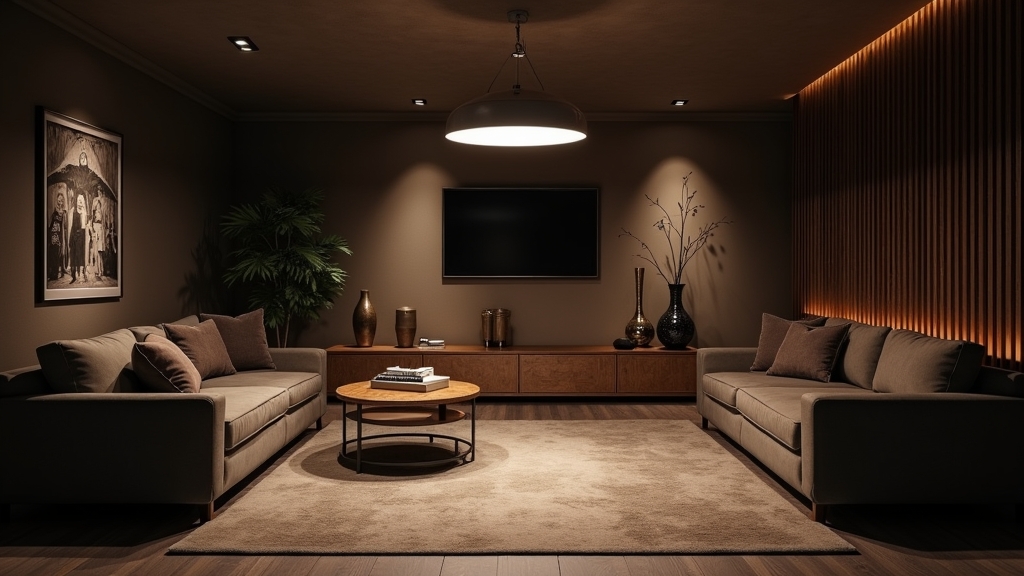
Recessed lights, often called can lights, are the gold standard for low ceiling lighting. They sit flush with the ceiling, which saves precious headspace and eliminates the visual clutter of hanging fixtures. For the best results, space your recessed lights roughly 4 to 6 feet apart. Placing them too far apart creates 'hot spots' and dark voids. It is worth doing right the first time, so map out your ceiling grid on paper before cutting any holes.
When selecting recessed lights, choose ultra-thin LED wafers. These do not require a bulky housing unit, making them ideal for tight spaces between joists and ductwork. They also run cool, which is a safety advantage in enclosed basement ceilings.
Addressing Low Ceiling Lighting Challenges
If recessed lighting isn't an option due to a solid concrete ceiling or specific structural limits, track lighting is an excellent alternative. Modern track lighting is slim and adjustable. You can aim individual heads toward dark corners or walls to wash them in light. This 'wall washing' technique makes the room feel wider by emphasizing the vertical surfaces. Do not rush the process of aiming these lights; small adjustments can significantly change the mood of the room.
The Role of Natural Light Simulation
Modern technology allows us to simulate the sun even in a windowless room. Faux LED windows are panels that look like real windows and emit light that mimics the solar spectrum. If you have a larger budget, consider installing a 'sun tunnel' or light tube. These devices capture sunlight from your roof and channel it down through a reflective tube into your basement. While this requires professional installation, the payoff in natural light is significant.
When to Call a Professional
While painting and changing bulbs are simple DIY tasks, electrical work requires caution. You should call a certified electrician if you need to add new circuits to your breaker box. Basements often have older wiring that may not be equipped to handle an increase in fixtures. Furthermore, if you are cutting into a finished ceiling, a professional can help you navigate around hidden plumbing and HVAC lines.
A professional can also help with load calculations. If you plan to install dozens of recessed lights, you must ensure you aren't overloading a single circuit, which could lead to a fire hazard. Safety should always be your priority in any home improvement project.
The Importance of Permits
In many jurisdictions, adding permanent lighting fixtures requires a building permit. A professional will know the local codes, ensuring your basement remains legal and safe for future resale. Following the rules might seem tedious, but it protects your investment and your family.