The Truth About That White Powder on Your Basement Walls
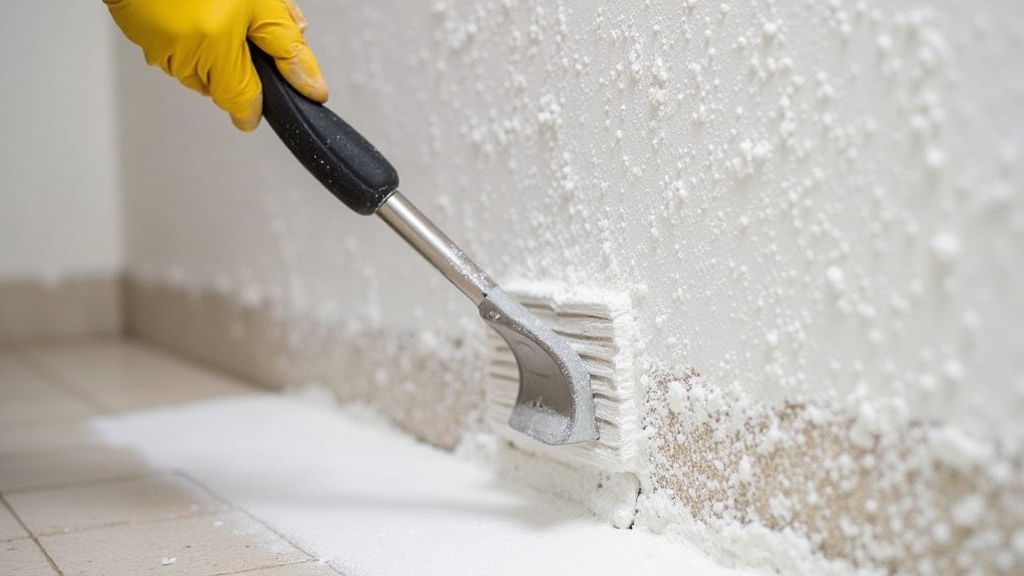
In my 30 years of crawling through foundations and framing custom homes, I’ve seen that fuzzy, white powder more times than I can count. Most homeowners panic, thinking they have a massive mold outbreak. Here is the thing: it usually isn't mold. It’s a process called efflorescence. It’s essentially masonry salt being pushed out of your concrete or brick by moisture.
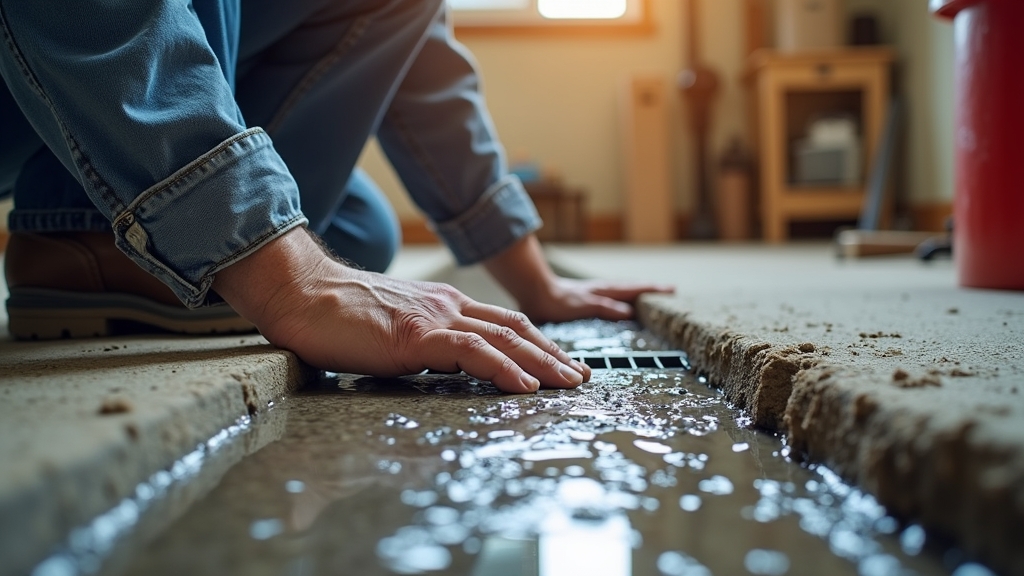
While the powder itself isn't toxic, it is a messenger. It’s telling you that water is moving through your foundation. If you ignore it, those salts will eventually expand and cause the surface of your concrete to flake and peel—a process we call spalling. Understanding how to handle basement efflorescence removal correctly will save you thousands of dollars in structural repairs down the road.
Identifying Efflorescence vs. Mold
Before you grab a scrub brush, you need to know what you’re dealing with. What most people miss is the simple 'squeeze test.' Put on a glove, scrape some of the powder off, and rub it between your fingers. If it turns into a fine dust or dissolves when you drop it in water, it’s efflorescence. If it feels slimy or looks fuzzy/clumpy and doesn't dissolve, you’re likely looking at mold.
Efflorescence is inorganic. It’s the mineral residue left behind when water evaporates. Mold is organic and needs a food source. Worth mentioning is that efflorescence only grows on masonry surfaces like concrete, stone, or brick. If you see white stuff on drywall or wood, that’s not salt; that’s a biological issue.
The Three Levels of Removal and Prevention
Cleaning foundation walls isn't just about aesthetics. You have to decide how deep you want to go based on the severity of the moisture. I break these down into three distinct approaches.
1. Dry Brushing and Mild Cleaning
This is for the homeowner who catches the problem early. If the powder is light and the wall feels dry to the touch, you can often handle this with manual labor. You use a stiff nylon brush (never wire, as it can leave metal bits that rust) to knock the salts loose. Follow this with a vacuum and a wipe down using a diluted vinegar solution to neutralize the alkalinity.
2. Chemical Neutralization
When the salt deposits are thick and crusty, water and vinegar won't cut it. This is where it gets interesting. You’ll need a specialized masonry cleaner, often an acid-based solution. These chemicals react with the salts to dissolve them so they can be rinsed away. It requires proper ventilation and skin protection, but it’s the only way to get the pores of the concrete truly clean.
3. Moisture Source Remediation
Now, the important part: you can clean the wall every week, but the white powder will keep coming back unless you stop the water. This involves looking outside. Are your gutters clogged? Does the ground slope toward the house? Is there a crack in the foundation? Removing the powder is the band-aid; fixing the drainage is the cure.
Detailed Pros and Cons
Dry Brushing
- Pros: Virtually free, no harsh chemicals, safe for all masonry types.
- Cons: Doesn't remove deep-seated salts; very labor-intensive; doesn't prevent recurrence.
Chemical Cleaning
- Pros: Deep cleans the concrete pores; prepares the surface for future sealing; highly effective on heavy deposits.
- Cons: Fumes can be tough in a basement; requires careful rinsing; can damage nearby finished surfaces if not protected.
Exterior Remediation
- Pros: Stops the problem permanently; protects structural integrity; increases home value.
- Cons: Highest upfront cost; may require excavation or professional landscaping.
Cost Comparison: What You’ll Actually Spend
I’ve written thousands of estimates, and prices vary, but here is a realistic look at what you’re facing in today’s market. All prices are based on a standard 20x20 basement corner area.
| Method | DIY Cost (Materials) | Professional Cost (Labor + Mat) |
|---|---|---|
| Dry Brushing | $20 - $50 | $300 - $500 |
| Chemical Cleaning | $100 - $250 | $800 - $1,200 |
| Exterior Drainage (Gutter/Grade) | $200 - $1,000 | $2,500 - $5,000 |
| Full Foundation Waterproofing | N/A | $10,000 - $30,000 |
On the other hand, doing nothing is the most expensive option. Left unchecked, moisture and salt can lead to structural failure, which costs significantly more than any of the figures above.
Best Use Cases for Each Situation
Which path should you take? The good news is that it’s usually obvious once you look at your specific situation.
- Scenario A: You see a light dusting once a year after a heavy spring thaw. Solution: Dry brush and improve your downspout extensions.
- Scenario B: You have thick, white crystals and the paint is peeling off the concrete. Solution: Chemical cleaning followed by a high-quality masonry sealer and a serious look at your exterior grading.
- Scenario C: The wall is damp, there is visible standing water, and the salts are everywhere. Solution: Professional drainage evaluation. Cleaning is secondary to structural preservation here.
Final Recommendation
If you’re looking at white powder on your walls today, start simple. Something to keep in mind is that concrete is like a sponge. It’s full of tiny holes. If you clean the surface but leave the 'sponge' sitting in a puddle outside, the salts will return within months. My recommendation for 90% of homeowners is a two-step approach: Clean the walls with a neutralizing solution to see the extent of the masonry health, then immediately go outside and ensure your gutters are clear and discharging at least 6 feet away from the foundation. That combination solves the majority of efflorescence issues without breaking the bank.