Understanding the Battle Against Sweating Walls
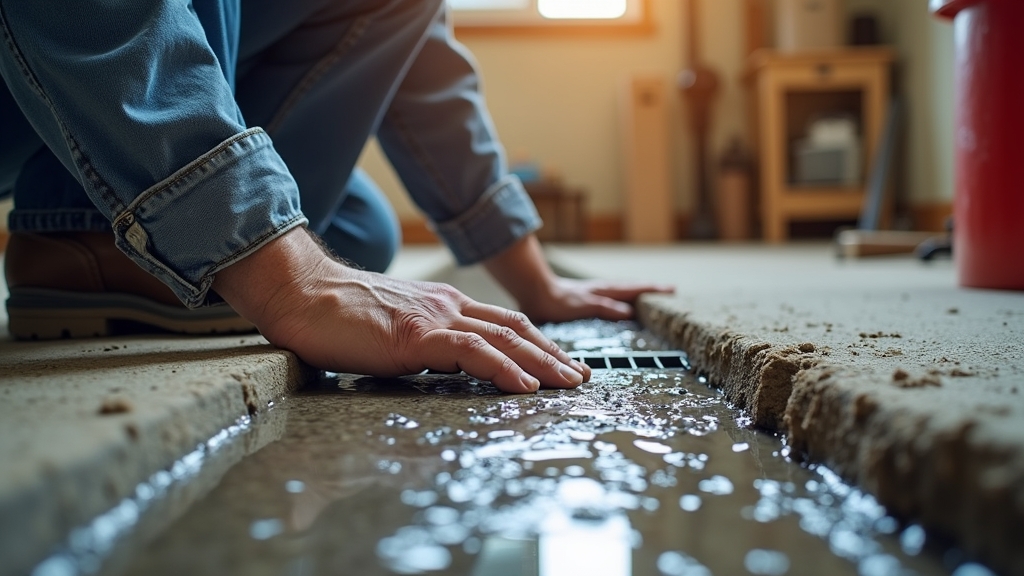
Walking into a basement and seeing beads of water clinging to the concrete is a frustrating experience for any homeowner. Often referred to as 'sweating walls,' basement condensation is more than just a nuisance; it is a signal that your home’s environment is out of balance. Here is the thing: many people mistake condensation for a foundation leak, leading them to spend thousands on waterproofing when the real issue is atmospheric. As someone who spends a lot of time managing microclimates in small garden spaces, I can tell you that moisture behaves predictably. When warm, humid air meets a cool surface—like a concrete wall buried in the earth—it reaches its dew point and turns back into liquid. If we want a permanent fix, we have to address both the temperature of the surface and the moisture content of the air.
The Root Causes of Basement Condensation
To fix the problem, we must first identify why it is happening. Generally, basement moisture comes from three primary sources: interior humidity, exterior seepage, and the 'cool surface' effect. Now, the important part is distinguishing between them. Interior humidity often comes from daily activities like laundry, showering, or even breathing. On the other hand, soil moisture can migrate through porous concrete walls via capillary action. This is where it gets interesting: even a bone-dry wall can appear to be leaking if the temperature differential between the wall and the air is high enough. This is the classic condensation scenario that leads to mold growth and musty odors.
The Foil Test: Identifying the Source
What most people miss is a simple diagnostic test that saves weeks of guesswork. Tape a one-foot square piece of aluminum foil to your basement wall, sealing the edges tightly with duct tape. Leave it for 48 hours. If the moisture is on the outside of the foil (the side facing you), you have a condensation problem. If the moisture is trapped behind the foil against the wall, you have water seeping through from the outside soil. This distinction determines whether you need to insulate or improve your exterior drainage.
Immediate Steps to Manage Moisture
While we aim for long-term solutions, you need to stabilize the environment immediately to prevent mold. The good news is that you can start today. First, reduce the humidity levels by using a high-capacity dehumidifier. Set it to 45-50% humidity; any lower and you’re wasting energy; any higher and mold spores begin to thrive. Second, ensure your clothes dryer is vented properly to the outdoors and check for any leaky pipes or valves. Something to keep in mind is that even a small drip can add significant gallons of water to the air over a month.
Long-Term Prevention and Insulation Tips
For a permanent solution, we need to change how the wall interacts with the air. Applying a 'sealer' is rarely enough because it doesn't address the temperature differential. We need to create a thermal break.
Rigid Foam Insulation
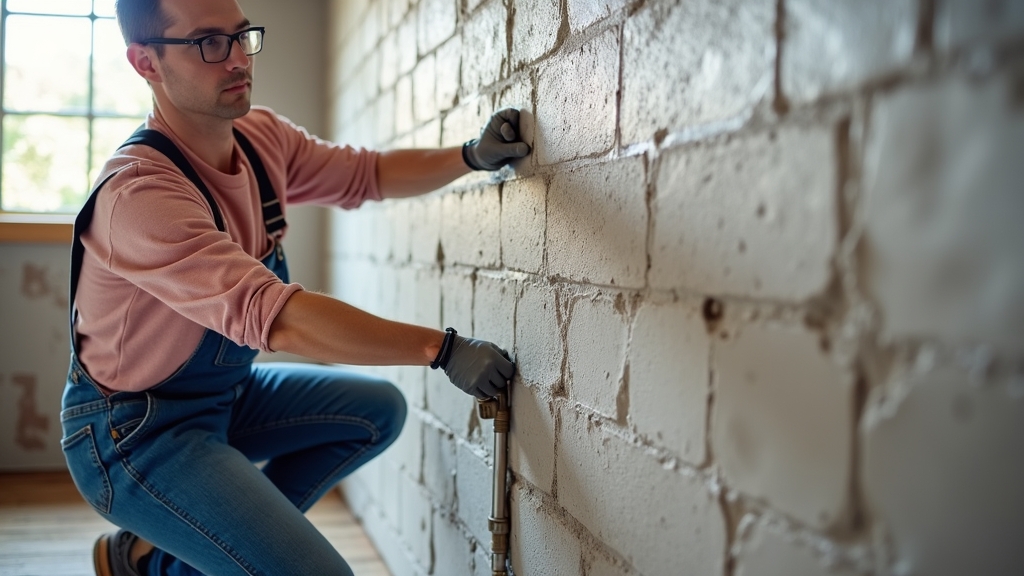
The most effective way to stop sweating walls is to install rigid foam insulation boards directly against the concrete. Unlike fiberglass batts, which can trap moisture and grow mold, rigid foam (specifically extruded polystyrene) acts as both an insulator and a vapor retarder. By keeping the warm air from touching the cold concrete, you eliminate the dew point. Once the foam is glued and sealed with specialized tape, you can build a stud wall in front of it for finishing. This creates a continuous thermal envelope that keeps the basement dry and significantly warmer in the winter.
Managing Exterior Drainage
Worth mentioning is that your basement walls stay colder when the soil around them is saturated with water. Water conducts heat away from your foundation faster than dry soil. Ensure your gutters are clean and that downspouts discharge at least 6 to 10 feet away from the foundation. Grading the soil so it slopes away from the house at a rate of one inch per foot for the first six feet can drastically reduce the thermal mass of the water outside your walls, indirectly helping with condensation issues.
Improving Air Circulation
Stagnant air is a catalyst for condensation. If your basement has pockets of dead air—like behind storage bins or in corners—the moisture has more time to settle and condense. Increasing airflow through the use of quiet, continuous-run fans or by integrating the basement into your home's HVAC system (with proper return air vents) can keep the air moving and the surfaces dry.
When to Call a Professional
While most condensation issues are manageable for a dedicated DIYer, there are times when the scope of the project requires an expert. If you see large, active cracks in your foundation, or if water is bubbling up through the floor, you are likely dealing with hydrostatic pressure rather than simple condensation. A structural engineer or a specialized basement contractor can assess if you need an internal perimeter drain or a sump pump system. Additionally, if you find extensive black mold covering more than 10 square feet, professional remediation is necessary for health and safety.
The Bottom Line on Dry Basements
Achieving a dry, comfortable basement isn't about one single magic product; it’s about understanding the relationship between temperature and humidity. By insulating the walls to remove the cold surface and managing the moisture levels in the air, you transform a damp storage space into a healthy living area. It takes some effort upfront, but the peace of mind—and the protection of your home’s structural integrity—is well worth the investment.