Understanding Efflorescence on Basement Walls
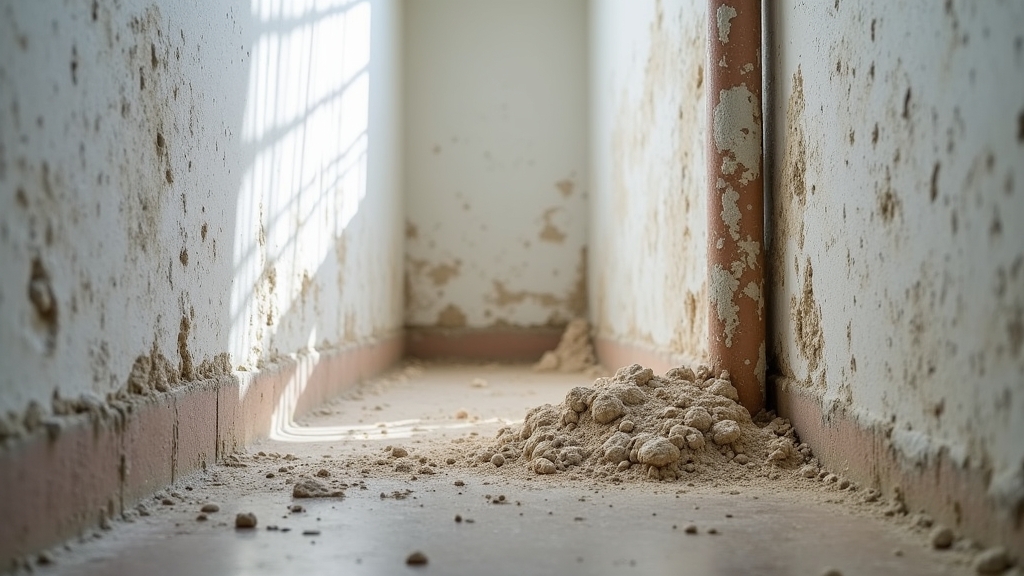
Finding a white, powdery substance on your basement walls can be unsettling for any homeowner. While it is often mistaken for mold, this substance is typically efflorescence—a crystalline deposit of salts left behind when water evaporates from masonry surfaces. While efflorescence itself is not hazardous, it serves as a critical warning sign that moisture is moving through your foundation. To protect the structural integrity and air quality of your home, it is essential to move beyond surface-level cleaning and address the underlying hydrological issues. It is worth doing right the first time; taking a shortcut now may lead to more expensive repairs down the road.
The Root Causes of White Powder on Basement Walls
To stop efflorescence, you must first understand the physics behind it. Concrete, brick, and mortar are inherently porous materials. At a microscopic level, they are filled with tiny channels that allow water to move through via capillary action. Efflorescence occurs when three specific conditions are met: the presence of water-soluble salts within the masonry or soil, moisture to dissolve those salts, and a path for that moisture to reach the surface where it can evaporate.
Hydrostatic Pressure
One of the most common contributors to basement moisture is hydrostatic pressure. When the soil surrounding your foundation becomes saturated with rainwater or snowmelt, it exerts immense pressure against the basement walls. This pressure forces water into the pores of the concrete. As the water migrates toward the drier, interior side of the wall, it carries dissolved minerals. Once the water reaches the inner surface and evaporates into the basement air, the minerals are left behind as the white powder you see.
Capillary Action and Soil Composition
Even without heavy rain, moisture can be drawn upward from the ground through a process called capillary action, much like a sponge soaking up a spill. If your home is built on soil with high salt content or poor drainage, the likelihood of efflorescence increases. Small details matter here; even the specific mix of the concrete used when your home was built can influence how much salt is available to be leached out over time.
Immediate Steps for Basement Efflorescence Removal
Before implementing long-term prevention strategies, you must clear the existing deposits to monitor the wall for new activity. Do not rush the process; thorough cleaning ensures that future sealants or treatments can bond correctly to the substrate.
Step 1: Dry Brushing
The first step should always be mechanical removal. Use a stiff-bristled nylon brush to scrub the affected areas. Avoid using wire brushes on delicate masonry, as they can leave behind metal fragments that may rust. Wear a dust mask during this process to avoid inhaling the salt dust, which can be irritating to the respiratory system.
Step 2: Mild Acidic Cleaning
If dry brushing does not remove all the crystals, a mild solution of white vinegar and water (typically a 1:5 ratio) can help dissolve the stubborn salts. Apply the solution, let it sit for a few minutes, and then scrub again. Take your time with this to ensure the pores of the concrete are as clear as possible. Once finished, rinse the area with clean water and use a fan or dehumidifier to dry the wall quickly.
Long-Term Prevention and Concrete Moisture Control
True prevention happens outside the home. If you only treat the inside of the wall, the hydrostatic pressure will eventually push any new coatings or sealants off the surface, leading to bubbling and peeling. Trust your instincts on this one: if the wall is wet, the solution is rarely just a coat of paint.
Managing Exterior Drainage
The most effective way to stop efflorescence is to keep water away from the foundation. Ensure that your gutters are clear and that downspouts extend at least five to ten feet away from the house. Additionally, inspect the grading of the soil around your perimeter. The ground should slope away from the foundation at a rate of at least six inches over the first ten feet. This simple, budget-friendly adjustment is often the most impactful step a homeowner can take.
Interior Humidity Management
Efflorescence requires evaporation to form. In many basements, high relative humidity accelerates this process. Maintaining a basement humidity level between 30% and 50% can slow the rate of evaporation and mineral deposition. Using a high-capacity dehumidifier is a practical way to manage this environment, especially during humid summer months.
Sealing Basement Walls Correctly
Once the exterior drainage is managed and the walls are clean and dry, you may consider an interior masonry sealer. These products work by penetrating the pores of the concrete to create a chemical barrier. However, it is vital to ensure the wall is completely free of efflorescence before application. If salts remain in the pores, they will expand when they contact moisture, potentially cracking the sealer from the inside out.
When to Call a Professional
While most efflorescence is a minor maintenance issue, there are times when it signals a deeper problem. If you notice any of the following, consult a structural engineer or a foundation specialist:
- Horizontal Cracks: Large cracks running horizontally along the foundation wall often indicate significant hydrostatic pressure and potential structural failure.
- Bowing Walls: If the wall appears to be leaning or bulging inward, immediate professional intervention is required.
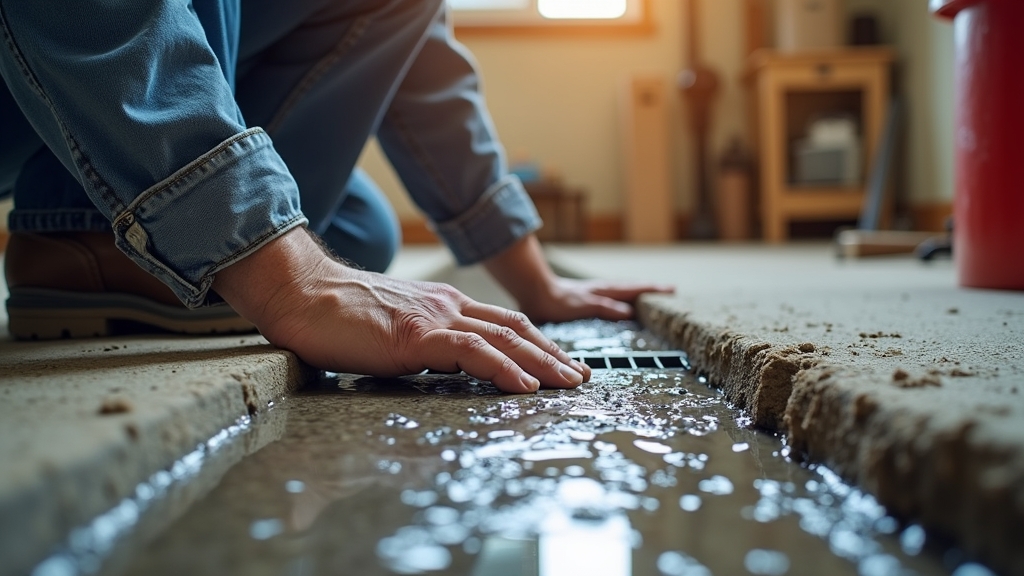
- Active Seepage: If water is visibly trickling or pooling on the floor despite your best efforts at drainage, an interior or exterior drainage system (like a French drain or sump pump) may be necessary.
- Spalling: If the surface of the concrete is actually flaking off or crumbling along with the white powder, the structural integrity of the masonry is being compromised.
By taking a methodical approach and addressing the source of the moisture rather than just the symptoms, you can maintain a dry, functional basement for years to come. It's about patience and attention to detail; the effort you put in now will pay off in a healthier home environment.