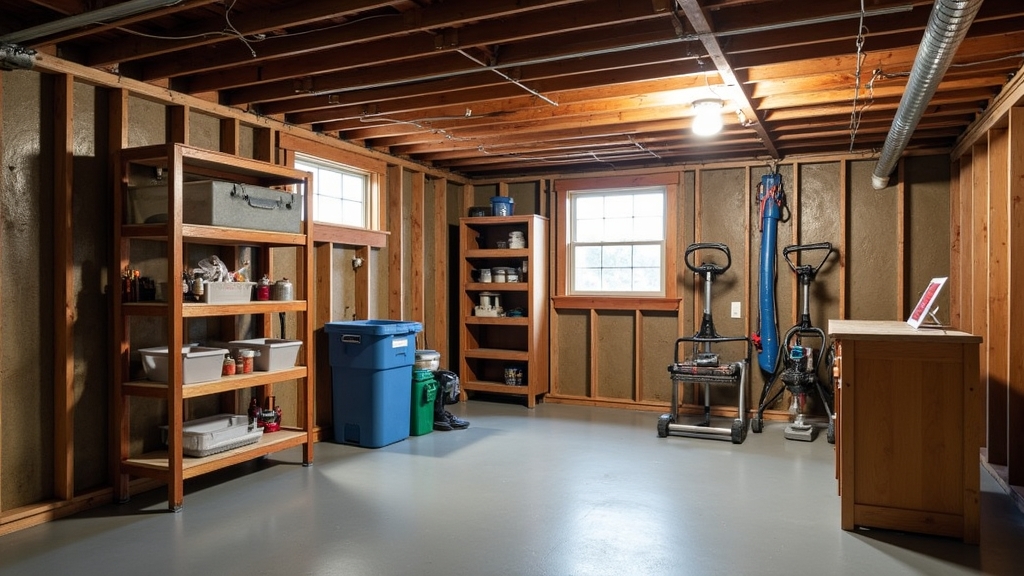
In most homes, the unfinished basement serves as the default destination for seasonal decor, old documents, and bulk supplies. However, many homeowners treat this space as a simple dumping ground without realizing that an unmanaged basement can damage belongings and decrease the home's overall efficiency. The real issue usually is not a lack of space, but a lack of a systematic approach to environmental control and organization.
The Hidden Risks of Basement Storage
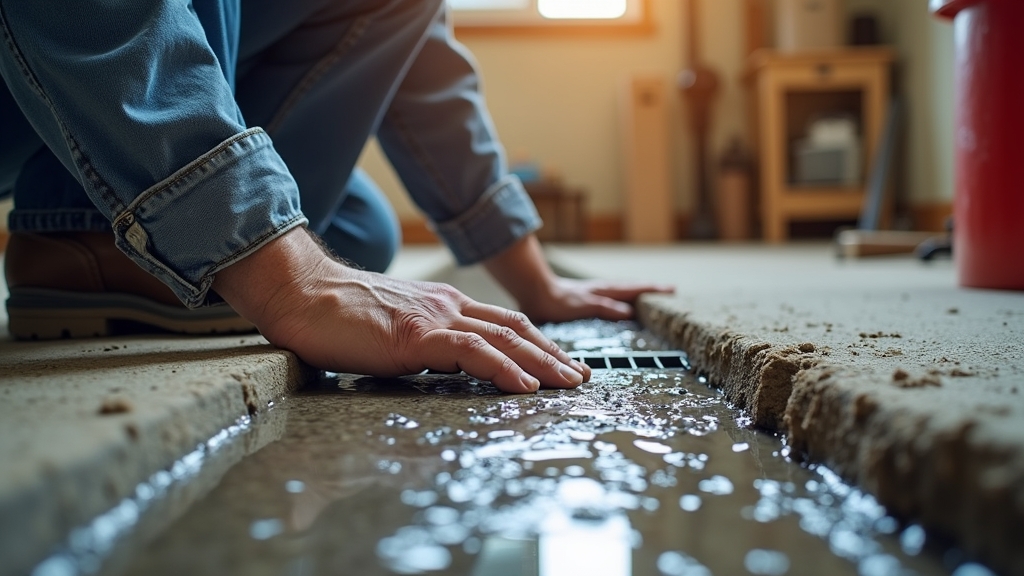
From experience, I have found that most storage failures in basements stem from two factors: moisture and accessibility. Because unfinished basements are below grade, they are naturally prone to dampness. Concrete is porous, meaning it allows water vapor to migrate from the soil into your home. If you store items directly against these walls or on the floor, you create a breeding ground for mold.
Why Cardboard is the Enemy
One thing many people overlook is the material of their storage containers. Cardboard boxes are made of organic fibers that absorb moisture from the air. Over time, these boxes soften, lose their structural integrity, and become a food source for mold and pests. In my experience, replacing cardboard with waterproof basement bins is the single most effective step you can take to protect your items.
Temperature and Humidity Fluctuations
Unfinished spaces often lack the insulation found in the rest of the home. This leads to temperature swings that can cause condensation on cold surfaces. High humidity levels (above 60%) will eventually ruin fabrics, electronics, and photographs. The key thing to remember is that storage isn't just about finding a shelf; it is about creating a stable environment.
Immediate Steps to Take
Before installing unfinished basement shelving, you must stabilize the area. A common situation is finding a layer of dust and dampness on every surface. Start by clearing a three-foot perimeter around your HVAC equipment and water heater. This ensures your systems run efficiently and are accessible for maintenance.
The Six-Inch Rule
What works best is keeping every single item at least six inches off the floor. This protects your belongings from minor plumbing leaks or heavy rain events. Use plastic pallets or simple risers if you aren't ready to install permanent shelving yet. This gap also allows for better airflow, which prevents stagnant air pockets where mold thrives.
Sorting and Purging
An unfinished basement often hides items you no longer need. I recommend the 'one-year rule': if you haven't touched it in twelve months, consider donating or recycling it. Reducing the volume of items makes it easier to manage the humidity levels in the room, as less clutter allows for better air circulation.
Long-Term Prevention Strategies
Once the area is clear, you can focus on high-efficiency storage solutions that double as preventative measures. Over the years, I have learned that the best basement storage systems are those that do not touch the perimeter walls.
Installing Unfinished Basement Shelving
When selecting shelving, avoid untreated wood. Wood can rot and harbor silverfish. Instead, opt for heavy-duty plastic or powder-coated metal units. Position these shelves in the center of the room or at least 12 inches away from exterior walls. This allows you to inspect the walls for cracks or leaks without having to move your entire inventory.
Utilizing Overhead Storage Racks
Overhead storage racks are an excellent way to maximize vertical space. These systems bolt directly into the ceiling joists. They are perfect for lightweight, bulky items like holiday wreaths, camping gear, or empty coolers. By moving these items to the ceiling, you keep them away from potential floor floods and free up floor space for a dehumidifier or air purifier.
Moisture Management
To protect your storage long-term, you must control the air. Install a high-capacity dehumidifier that features a direct-drain hose. This eliminates the need to manually empty a bucket and ensures the basement stays at a consistent 45-50% humidity level. This step alone can extend the life of your stored items by decades.
When to Call a Professional
While most basement organization is a DIY task, some situations require an expert. If you notice persistent standing water, a white powdery substance (efflorescence) on the walls, or large vertical cracks, consult a basement waterproofing specialist. Additionally, if you plan to install heavy overhead storage racks and are unsure about the load-bearing capacity of your floor joists, a structural engineer can provide peace of mind.
Summary of Best Practices
- Elevate: Never store items directly on the concrete floor.
- Seal: Use clear, waterproof basement bins to easily identify contents while keeping moisture out.
- Circulate: Leave space between shelves and walls to prevent mold growth.
- Dehumidify: Maintain a consistent humidity level to protect organic materials.
- Optimize: Use basement storage ideas like ceiling racks to take advantage of unused vertical space.