The Real Reason Your Bathroom Fan Sounds Like a Jet Engine
In my thirty years of walking through jobsites, I have heard every sound a house can make. A noisy bathroom exhaust fan is one of those things homeowners tend to ignore until they can no longer hear themselves think over the shower. Here is the thing: a loud fan isn't just an annoyance. It is usually a sign that the motor is failing or the ventilation system is choked with dust.
Bathroom fan noise usually stems from three sources: a build-up of grime on the blades, a worn-out motor bearing, or a housing that has shaken loose over the years. When you are dealing with a loud fan, you have three real options. You can clean and lubricate it, replace the motor assembly, or pull the whole thing out and install a new unit. This guide breaks down those choices based on what I have seen work in the field.
Option 1: The Deep Clean and Tune-up
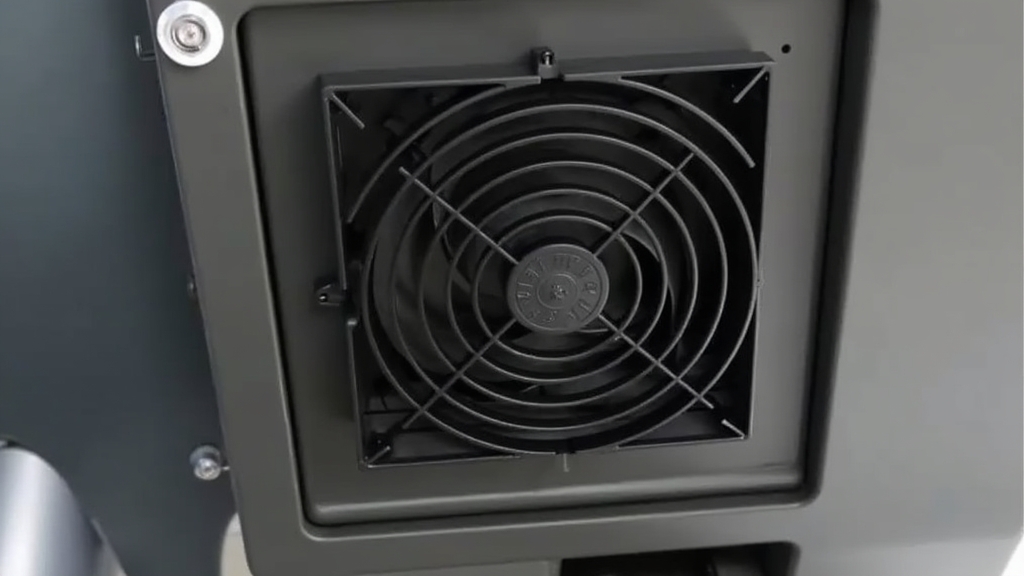
Before you spend money on parts, you should look at the simplest culprit. Dust is the enemy of quiet ventilation. Over five or ten years, humidity turns bathroom dust into a heavy, sticky sludge. This sludge sticks to the fan blades (the squirrel cage) and throws the whole thing out of balance.
The Process
Start by pulling the cover plate down. You will likely see a thick layer of grey fuzz. Vacuum the housing and use a damp cloth to wipe the blades. Now, the important part: check the mounting screws. Often, the noise is just metal vibrating against metal because a screw backed out over time. Tightening those screws can solve fifty percent of noise complaints.
Pros and Cons
- Pros: Costs nothing but an hour of your time. Requires no electrical knowledge.
- Cons: It won't fix a bearing that has already gone dry or a motor that is burnt out.
Option 2: Motor and Blower Wheel Replacement
If the fan is still screaming after a cleaning, the motor bearings are likely shot. This is where it gets interesting. Most people think they have to tear a hole in their ceiling to fix this, but that is rarely true. Many manufacturers, like Broan or Nutone, sell "upgrade kits" or replacement motors specifically for their older housings.
The Process
You can usually unplug the motor from the internal housing and remove a couple of screws to drop the whole motor plate. You then swap the old motor for a new one and plug it back in. This avoids any drywall work or attic crawling. This is a great middle-ground for a 10-year-old fan that has a solid housing but a dead heart.
Pros and Cons
- Pros: No drywall repair needed. Much cheaper than a full replacement.
- Cons: You are limited to the performance (CFM) of the original housing. If the housing is rusted or bent, a new motor won't help.
Option 3: Full Unit Replacement (The Quiet Exhaust Fan)
Sometimes, the old fan is just a piece of junk. If you have one of those contractor-grade units that sounded like a lawnmower the day it was installed, replacing the motor is throwing good money after bad. Modern fans are significantly quieter—look for a "Sone" rating of 1.0 or less.
The Process
This is a bigger job. You will need to go into the attic to disconnect the ductwork and the electrical. You might have to enlarge the hole in the ceiling. What most people miss is the ducting. If you install a high-end, quiet fan but connect it to old, crushed 3-inch ducting, it will still be noisy because the air is being choked.
Pros and Cons
- Pros: You get a whisper-quiet bathroom and better moisture removal. Can add features like humidity sensors or LED lights.
- Cons: Highest cost. Requires electrical and potentially drywall skills.
Cost Comparison: What Should You Spend?
The good news is that you have options for every budget. Here is a rough breakdown based on current market rates for parts and labor.
- Cleaning: $0 DIY / $75 Professional.
- Motor Replacement: $50–$100 for parts / $150–$250 Professional labor.
- Full Replacement: $150–$400 for a quality unit / $300–$600 Professional installation.
What Most People Miss: The Ductwork
On the other hand, you could have a brand-new fan that is still noisy. This usually happens because of "static pressure." If the ducting is too long, has too many bends, or is the wrong size, the fan has to work harder. The air turbulence creates a whooshing or whistling sound. Worth mentioning: always use rigid ducting where possible, or keep flexible ducting pulled tight. Sagging ducts trap moisture and kill airflow.
Best Use Cases for Each Method
Choosing the right path depends on your specific situation. Here is my rule of thumb after three decades in the trade:
- Choose Cleaning: If the fan is less than 5 years old and just started humming or vibrating.
- Choose Motor Replacement: If you have a high-quality housing but the motor is grinding, and you want to avoid painting the ceiling.
- Choose Full Replacement: If the fan is over 15 years old, if there is visible rust, or if the bathroom always stays foggy after a shower.
Final Recommendation
Something to keep in mind is that your bathroom fan is your home's primary defense against mold. If your fan is noisy, you probably aren't running it long enough to do its job. If you have the budget, I always recommend a full replacement with a unit rated at 0.5 to 1.0 sones. The silence is worth the extra work. However, if you are on a budget, a $60 motor swap is a perfectly respectable fix that can buy you another decade of peace.