Why Recaulking Matters for Property Value
In my years managing dozens of rental units, I’ve seen $20 maintenance tasks turn into $5,000 subfloor replacements. Here is the thing: caulking isn't just about making your bathroom look clean; it is the primary line of defense against structural rot. If you see black spots or peeling edges, you aren't just looking at an eyesore—you're looking at a potential leak. Fixing moldy caulk early is the single most cost-effective way to preserve a bathroom’s lifespan.
The True Cost of Recaulking: DIY vs. Professional
When you decide to replace bathtub caulk, you have two paths. Most homeowners assume the cost is just the price of a tube, but that is a mistake that leads to failure. Now, the important part: you need to account for both the mechanical tools and the chemical cleaners required for a bond that lasts five years instead of five months.
DIY Cost Breakdown (High-Quality Method)
- 100% Silicone Sealant: $12 – $18 (Don't buy the $5 acrylic stuff).
- Caulk Removal Tool/Utility Knife: $8 – $15.
- Denatured Alcohol or Bleach Solution: $7.
- Caulk Gun (Dripless): $15 – $25.
- Total DIY Cost: $42 – $65.
Professional Cost Breakdown
Hiring a handyman or a specialist to handle shower caulking guide tasks usually involves a minimum call-out fee. This is where it gets interesting: while the labor only takes about an hour of active work, the professional is charging for the 24-hour dry time and the guarantee that they won't scratch your tub. Expect to pay between $150 and $350 depending on your market. For a property manager, I usually DIY this or bundle it with other repairs to justify the service fee.
Choosing Your Sealant: Silicone vs. The Rest
What most people miss is the label on the tube. In a wet environment like a bathroom, there is only one correct choice: 100% RTV Silicone. On the other hand, many beginners grab 'Siliconized Acrylic' because it’s easier to clean up with water. Avoid it. Acrylic shrinks over time, leading to the same gaps you started with.
Pros and Cons of Bathroom Silicone Sealant
- Pros: Remains flexible for decades, highly resistant to mold, won't shrink, waterproof immediately after skinning over.
- Cons: Harder to tool (smooth out), requires mineral spirits or alcohol for cleanup, smells like vinegar during cure.
Step-by-Step: The Long-Lasting Fix
If you want a fix that lasts, follow this professional workflow. The good news is that if you do this correctly once, you won't have to touch it again for at least 7-10 years.
1. Complete Removal (The Most Skipped Step)
Never layer new caulk over old. It will not bond. Use a utility knife to slice the top and bottom beads, then pull the strip away. Worth mentioning: Use a plastic scraper on acrylic tubs to avoid permanent scratches that catch dirt later.
2. Eradicating Mold Spores
Even if the surface looks clean, microscopic spores remain. Scrub the joint with a 1:10 bleach-to-water solution or a dedicated mold killer. Let it dry completely. If there is moisture trapped behind the tile, use a hairdryer to force-dry the gap. If you seal in moisture, the mold will grow back from the inside out within weeks.
3. The 'Alcohol Wipe' Trick
This is a pro-tip: wipe the joint down with denatured alcohol right before applying the silicone. This removes any lingering oils or soap scum, ensuring a chemical bond that is virtually inseparable from the tub surface.
4. The Secret Ingredient: Water Weight
Something to keep in mind: A bathtub moves when it’s full. If you caulk an empty tub, the joint will stretch and potentially tear the first time someone takes a bath. Fill the tub with water before applying the caulk and leave it full until the caulk has cured (usually 24 hours).
5. Application and Tooling
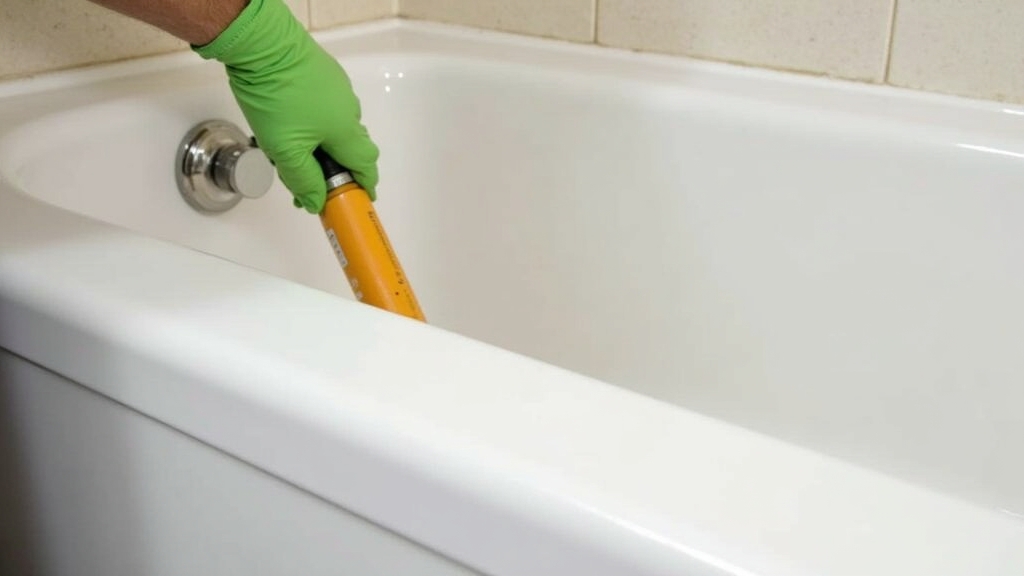
Cut your nozzle at a 45-degree angle to match the width of your gap. Push the gun forward rather than pulling it—this forces the sealant into the joint. To smooth it, skip the fancy plastic tools. Mist the bead with a mixture of water and a few drops of dish soap, then lighty glide your gloved finger over it.
Best Use Cases for Each Approach
When should you call a pro versus doing it yourself? Here is the thing: if your bathtub is part of a high-end stone surround (like marble), the risk of staining the stone with silicone oil or scratching it with a blade is high. In that case, hire a pro. For standard fiberglass inserts or ceramic subway tile, this is a quintessential DIY task that anyone can master with patience.
Final Recommendation
For the best ROI, I recommend the High-Quality DIY approach. Spend the extra $10 on a premium kitchen and bath silicone with a 10-year mold-free guarantee. The labor is the most expensive part of the equation, and by doing it yourself and focusing on the preparation phase, you ensure a seal that protects the home's infrastructure far better than a rushed professional job might.