Understanding Bathroom Ventilation and Sustainability
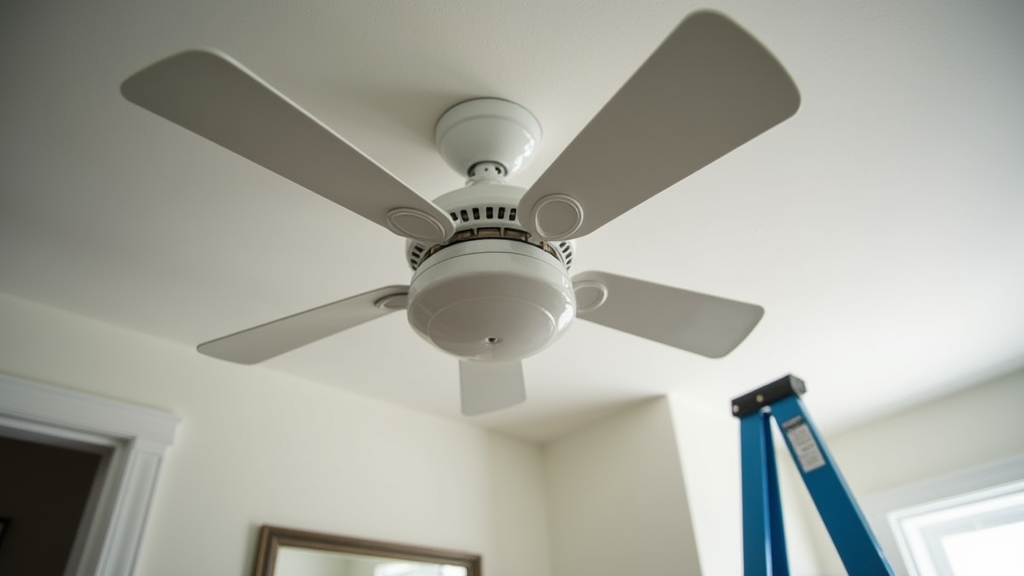
In most homes, the bathroom fan is an unsung hero of indoor air quality. It serves a dual purpose: removing excess moisture that can lead to mold and mildew, and exhausting odors or volatile organic compounds. However, over time, these units often become noisy, inefficient, or stop working altogether. The real issue usually is that a loud fan discourages use, leading homeowners to leave it off, which eventually damages the home's structure and air quality. From experience, replacing an outdated, rattling unit with a quiet exhaust fan install is one of the simplest ways to improve both your home's comfort and its environmental health.
When you decide to fix a noisy bathroom fan, you are faced with a common dilemma: should you attempt the replacement yourself or hire a professional? This decision involves more than just a cost calculation; it requires an honest assessment of your home's existing infrastructure, your comfort with electrical work, and the specific requirements of the replacement unit.
The DIY Approach for Bathroom Ventilation
For many homeowners, bathroom ventilation DIY projects are an entry point into home maintenance. What works best is starting with a clear understanding of what a 'simple' replacement looks like versus a complex installation.
When DIY is Feasible
A common situation is what I call a 'room-side' replacement. In these instances, you can remove the motor and fan assembly from the existing housing without ever entering the attic or cutting into the ceiling. If your current fan housing is in good condition and you can find a compatible motor kit, this is a highly sustainable choice as it reduces waste. Over the years, I have learned that many manufacturers offer 'upgrade kits' specifically designed for this purpose, allowing you to improve performance and noise levels in under an hour.
Pros and Cons of DIY
- Pros: Significant cost savings on labor, the ability to work at your own pace, and the satisfaction of maintaining your own home. It also allows you to ensure the unit is sealed properly with foil tape to prevent air leaks—a step many rushed professionals might overlook.
- Cons: Potential for electrical errors, the physical strain of working overhead, and the risk of discovering hidden issues (like disconnected ductwork) that are difficult to resolve without specialized tools.
Hiring a Professional for Fan Replacement
While DIY is rewarding, there are scenarios where a professional is the more responsible choice. In my experience, if the replacement requires cutting a larger hole in the drywall or if there is no existing ductwork, the complexity increases exponentially.
When to Call a Professional
One thing many people overlook is the complexity of attic access and roof venting. If your fan currently vents into the attic rather than outdoors, this is a major sustainability and structural issue that needs professional correction. A licensed electrician or HVAC technician can ensure that the new fan is not only wired safely but also that the ducting is insulated and routed correctly to prevent condensation buildup.
Pros and Cons of Hiring a Pro
- Pros: Guaranteed compliance with local building codes, professional-grade sealing of the housing, and the assurance that the electrical load is handled correctly. They also have the tools to cut through various ceiling materials (like plaster or tongue-and-groove wood) without causing unnecessary damage.
- Cons: Higher upfront cost due to labor fees and the need to schedule around a contractor's availability.
Cost Comparison and Resource Allocation
The financial aspect of a bathroom fan replacement varies significantly based on your chosen path. What I have found is that the price of the unit itself is often the smaller portion of the total investment when hiring out.
DIY Estimated Costs
A DIY project typically costs between $80 and $250. This includes the price of a high-quality, quiet exhaust fan and basic supplies like foil tape, wire nuts, and perhaps a small tub of drywall patch. The 'cost' here is mostly your time—usually 2 to 4 hours for a standard replacement.
Professional Estimated Costs
Hiring a pro generally ranges from $250 to $600 or more. This includes the labor (usually a minimum call-out fee of 2 hours) and the unit. If the technician needs to crawl into a tight attic space or install new exterior venting, the price can increase. While more expensive, the key thing to remember is that you are paying for the mitigation of risk and the longevity of the installation.
Technical Specifications to Consider
Regardless of who installs it, choosing the right fan is critical for a sustainable home. You should focus on two primary metrics: CFM and Sones.
CFM (Cubic Feet per Minute)
CFM measures how much air the fan moves. A general rule of thumb is 1 CFM per square foot of bathroom space. However, in my experience, if you have a high ceiling or a particularly large shower, it is better to slightly oversize the fan to ensure moisture is removed efficiently without the motor straining.
Sones (The Noise Level)
The real issue with noisy fans is often their Sone rating. A standard builder-grade fan might be 3.0 or 4.0 Sones, which sounds like a loud hum. For a quiet exhaust fan install, look for units rated at 1.0 Sone or less. A rating of 0.3 Sones is virtually silent, which is ideal for creating a spa-like, sustainable bathroom environment.
Step-by-Step DIY Checklist
If you decide to proceed with the DIY route, following a structured process is essential for safety and efficiency.
- Turn off the power: Always shut off the circuit at the breaker, not just the wall switch.
- Remove the old unit: Take down the grille, disconnect the motor, and unscrew the housing.
- Check the ductwork: Ensure the existing duct is the correct diameter (usually 4 inches for modern quiet fans). If it's 3 inches, you may need an adapter or new ducting.
- Secure the new housing: Mount it firmly to the ceiling joists. Vibration from a loose housing is a common cause of noise.
- Connect the wiring: Follow the manufacturer's diagram exactly. Use high-quality wire nuts.
- Seal the gaps: Use air-sealing foam or caulk between the fan housing and the drywall to prevent conditioned air from escaping into the attic.
Final Recommendations
In most homes, if you are replacing an existing fan with a unit of the same size and you have clear access, the DIY route is a practical and empowering choice. It allows you to focus on the small details of air sealing and insulation that improve your home's energy efficiency.
However, if your goal is to install a fan where none existed, or if you suspect your current fan is venting into the attic, hire a professional. The risk of moisture damage to your roof structure far outweighs the savings of a DIY attempt. The key thing to remember is that a bathroom fan is a critical component of your home's 'breathing' system. Whether you do it yourself or hire a pro, the goal is a quiet, efficient system that protects your home for years to come.