The Importance of Safe Bathroom Storage
In the world of small-space living, every square inch of the bathroom counts. For many apartment dwellers, the area under the vanity is the primary hub for cleaning supply storage. However, this convenience comes with a significant responsibility. Here is the thing: the bathroom is a humid, high-traffic environment where moisture and heat can interact with various hazardous chemicals. Ensuring these substances are stored correctly isn't just about tidiness; it is about preventing accidental poisonings, chemical reactions, and long-term health risks.
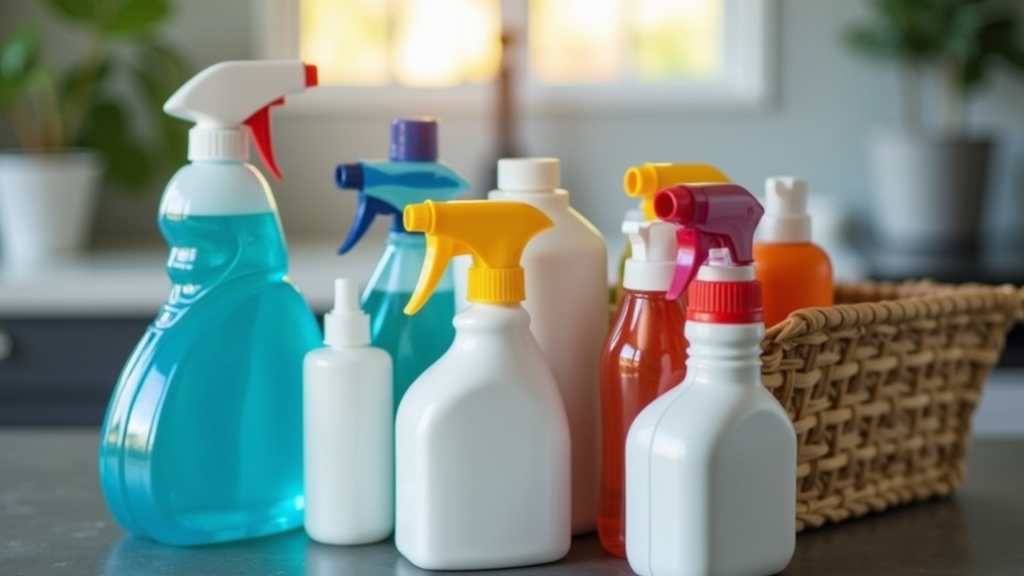
When we talk about hazardous chemicals in the bathroom, we are referring to more than just bleach. We are looking at acidic toilet bowl cleaners, alkaline drain openers, and aerosol disinfectants. If these are improperly stored, they can leak, corrode pipes, or release toxic fumes into a small, enclosed space. This is where it gets interesting: the way you choose to organize these supplies—whether through a self-made system or a professional installation—can drastically change the safety profile of your home.
Option 1: The DIY Approach to Cleaning Supply Storage
The DIY route is the most common path for renters and homeowners alike. It involves assessing your current inventory and purchasing modular solutions like an under sink organizer or tension rods to create a structured environment. The goal here is visibility and separation. Now, the important part of DIY storage is not just making it look good; it is about understanding chemical compatibility. For instance, you should never store ammonia-based products next to bleach-based products, as a simple leak could lead to the production of toxic chloramine gas.
Pros of DIY Storage
- Cost-Effectiveness: Most DIY solutions utilize off-the-shelf bins and racks that are relatively inexpensive.
- Customization: Since you know exactly what products you use, you can tailor the height and width of your shelving to fit specific bottles.
- Immediacy: You can transform a cluttered under-sink area in a single afternoon without waiting for a contractor's schedule.
Cons of DIY Storage
- Durability Issues: Many plastic organizers can become brittle over time when exposed to the harsh fumes of cleaning agents.
- Limited Security: While you can add simple latches, DIY methods often lack the robust locking mechanisms needed for a truly childproof bathroom.
- Human Error: Without professional guidance, it is easy to overlook ventilation requirements or weight limits for adhesive-based shelves.
Option 2: Professional Solutions for Hazardous Chemicals
Hiring a professional typically involves two types of experts: professional organizers who specialize in safety or specialized contractors who install custom, lockable cabinetry. A professional approach often goes beyond just 'putting things in bins.' They might suggest installing ventilated cabinets or integrated locking systems that are built directly into the vanity. Worth mentioning is that professionals can provide a comprehensive audit of your bathroom, identifying risks you might have missed, such as proximity to heat sources like water heaters or floor vents.
Pros of Professional Installation
- Enhanced Safety: Professionals often use industrial-grade materials and locking systems that meet higher safety standards.
- Space Optimization: Custom-built pull-outs can maximize the awkward shapes created by plumbing pipes under the sink.
- Longevity: Materials used in professional installations are typically treated to resist corrosion from chemical off-gassing.
Cons of Professional Installation
- Higher Initial Cost: The labor and high-quality materials significantly increase the price point.
- Lead Time: You will likely have to wait for consultations and installation dates.
- Permit/Rental Restrictions: If you are a renter, you may not be allowed to make the structural changes a professional might recommend.
Cost Comparison: DIY vs. Professional
What most people miss when calculating costs is the 'hidden' expense of improper storage. A DIY setup can cost anywhere from $30 to $150, depending on the complexity of the under sink organizer and the quality of the childproofing clips. On the other hand, professional organization and custom cabinetry can range from $500 to $2,000 or more.
The good news is that you don't always have to choose the most expensive option to be safe. However, if you have a large collection of industrial-strength chemicals or a complex bathroom layout, the investment in a professional might save you from the cost of property damage (like corroded pipes) or medical emergencies in the future.
When to DIY and When to Hire
Deciding which route to take depends on your specific living situation. If you are an apartment dweller with a standard set of household cleaners, a high-quality DIY system is usually sufficient. You can focus on using tiered organizers and magnetic child locks that don't require drilling. Something to keep in mind is that if you are a renter, DIY is often your only choice due to lease agreements regarding permanent fixtures.
However, you should consider hiring a professional if you have young children with high mobility, pets that can open cabinets, or if you store significant quantities of concentrated hazardous chemicals. If your bathroom suffers from poor ventilation and high humidity, a professional can help install moisture-resistant cabinetry that prevents labels from peeling and bottles from degrading.
Best Use Cases
When DIY is Best:
- Renters who need non-permanent solutions.
- Users with a small, manageable inventory of standard household cleaners.
- Budget-conscious individuals who are comfortable with regular safety checks.
When Professional is Best:
- Homes with curious toddlers or persistent pets (for a truly childproof bathroom).
- Homeowners undergoing a bathroom remodel.
- Individuals with physical limitations who need ergonomic, high-access storage solutions.
Final Recommendation
Ultimately, the best storage system is one that you can maintain consistently. Whether you choose a DIY under sink organizer or a custom-built professional cabinet, the priority must remain on safety. Always keep reactive chemicals separated, ensure every bottle is clearly labeled, and check your storage area once a month for leaks or signs of wear. If you feel overwhelmed by the sheer volume of supplies or the complexity of the layout, starting with a professional consultation is a wise first step toward a safer home.