Mastering the Art of Container Gardening
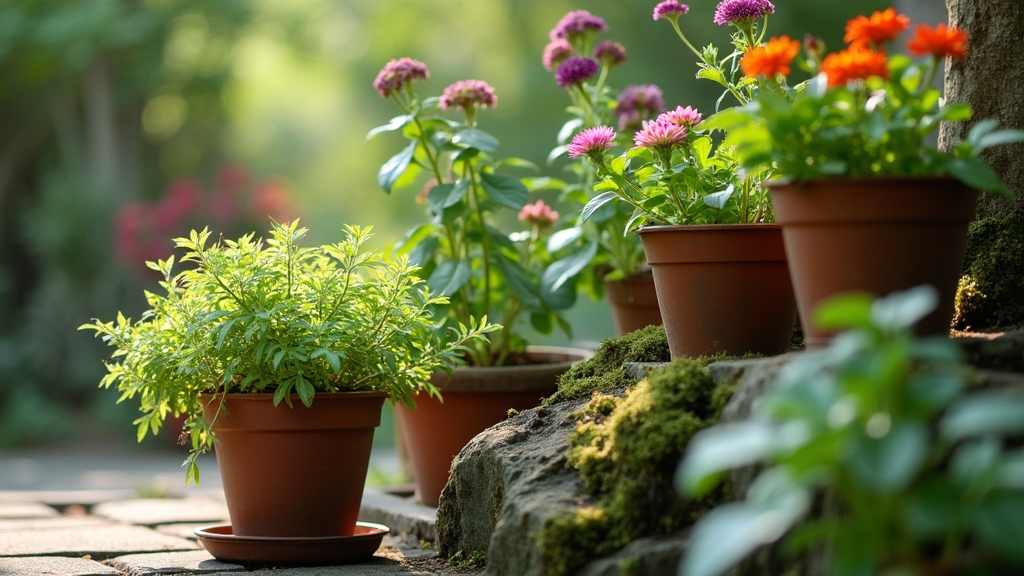
In my years of managing properties, I’ve seen hundreds of tenants try their hand at container gardening. Most start with high hopes and a trip to the big-box nursery, only to end up with a collection of dried-out husks and cracked ceramic by mid-August. Here is the thing: successful container gardening isn't about having a green thumb; it is about engineering an environment that compensates for the lack of natural ground. When you plant in the ground, the earth acts as a massive thermal and moisture buffer. In a pot, you are playing god with a very small, very vulnerable ecosystem. This guide focuses on the 'permanent fixes' that ensure your patio plants don't just survive for a season, but thrive year after year.
Essential Tools and Materials
Before you touch a seed or a seedling, you need the right hardware. Most people grab whatever looks prettiest, but as a property manager, I look for durability and function first. Now, the important part is that your tools should minimize the labor required to maintain the plant.
- Non-Porous Containers: Look for fiberglass, thick-walled resin, or glazed ceramic. Avoid unglazed terra cotta for thirsty plants as it wicks moisture away too fast.
- High-Quality Potting Mix: Never, under any circumstances, use 'garden soil' or 'topsoil' in a pot. You need a soilless mix containing peat or coco coir, perlite, and vermiculite.
- Drainage Mesh: Small squares of window screen or specialized plastic mesh to keep the soil in and the pests out.
- Hand Trowel and Bypass Pruners: High-carbon steel lasts longer and keeps a sharper edge than stainless.
- Slow-Release Fertilizer: Look for a 10-10-10 or 14-14-14 NPK ratio for general foliage.
Preparation Steps: Setting the Foundation
Preparation is where most people fail because they are in a rush to see green. What most people miss is the 'soak and seat' phase. If you are using new wooden planters or high-end ceramic, they need to be prepped. For wood, this means a non-toxic liner to prevent rot. For ceramic, it means checking the drainage hole. Many 'decorative' pots come with a single, tiny hole that will clog within a month. I always take a masonry bit and widen that hole or add two more. On the other hand, if you are reusing old pots, they must be scrubbed with a 1:10 bleach-to-water solution. Fungal spores and salt deposits from previous seasons are silent killers that will sabotage your new patio plants before they even take root.
Step-by-Step Instructions for Long-Term Success
1. Managing the Drainage Layer
There is a persistent myth that you should put rocks or broken pottery at the bottom of a pot to 'improve drainage.' This is actually a mistake. It creates a perched water table, raising the level of saturated soil closer to the roots and causing rot. Instead, cover the drainage hole with a fine mesh. This allows water to exit freely while keeping the substrate intact.
2. Hydrating the Medium
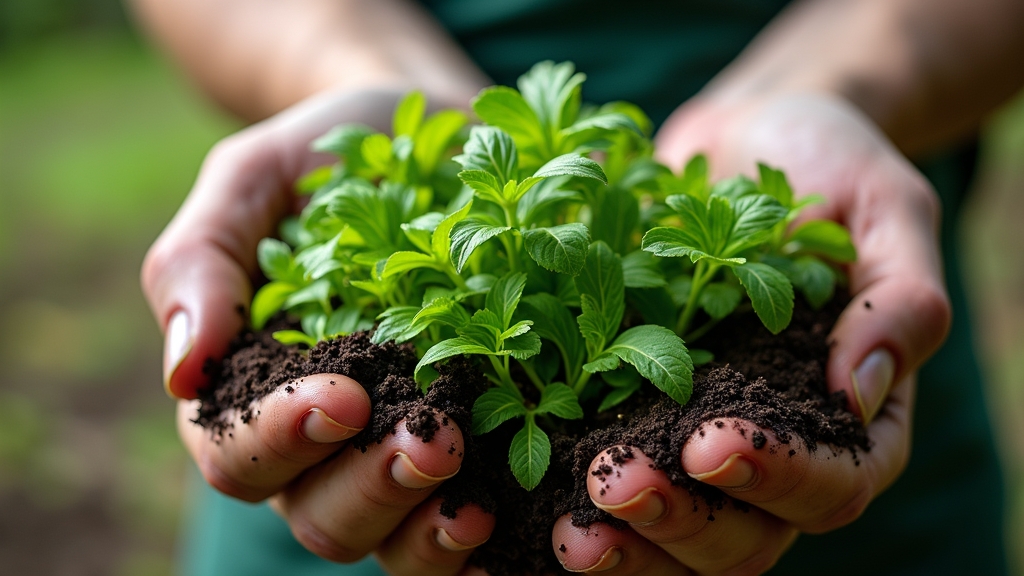
Dry potting mix is hydrophobic; it actually repels water. Before you put a single plant in the pot, dump your potting mix into a bucket, add water, and mix it by hand until it feels like a wrung-out sponge. This ensures that when you water your plants later, the moisture actually reaches the roots instead of tunneling down the sides of the pot.
3. The 'Thrill, Fill, and Spill' Method
For aesthetic and structural balance, use this professional staging technique. The 'Thrill' is your center focal point (like a Dracaena or Grass). The 'Fill' are mounding plants that hide the soil (like Geraniums). The 'Spill' are trailing plants that soften the edges (like Creeping Jenny). This is where it gets interesting: by layering these, you create a canopy that shades the soil, reducing evaporation and keeping root temperatures stable.
4. Proper Planting Depth
When moving a plant from its nursery pot, ensure the top of the root ball is exactly one inch below the rim of the new container. This space, called 'headroom,' is vital. Without it, when you water, the water will simply spill over the sides before it can soak in.
Tips for Best Results: The Pro Manager’s Secret Sauce
The good news is that once the system is set up, maintenance is predictable. Worth mentioning is the 'Mulch Rule.' Most people think mulch is only for garden beds, but an inch of pine bark or decorative pebbles on top of a container can reduce your watering frequency by 40%. Something to keep in mind is that pots on concrete or stone patios absorb massive amounts of radiant heat. Use 'pot feet' or even a few bricks to lift the container. This creates an air gap that prevents the roots from literally cooking against the hot ground. Additionally, I always recommend installing a simple drip irrigation kit if you have more than five pots. It’s a permanent fix that removes human error from the equation.
Troubleshooting Common Issues
Yellowing Leaves (The Water Paradox)
In container gardening, yellow leaves usually mean one of two extremes: too much water or not enough nitrogen. If the soil feels soggy, you have a drainage blockage. If the soil is dry and the leaves are pale, the plant has likely exhausted the nutrients in the potting mix. Pots lose nutrients every time they drain, so you must replenish them every two weeks with a water-soluble fertilizer.
Leggy, Weak Growth
This is almost always a light issue. Even 'shade-loving' patio plants usually need bright, indirect light. If your plants are stretching toward the sun, they are spending all their energy on stems rather than flowers or roots. Rotate your pots 90 degrees every week to ensure even growth and prevent the 'lean.'
White Crust on Soil or Pot
This is a buildup of salts from tap water and fertilizer. It’s a common sight in older property landscapes. The fix is to 'flush' the pot. Once a month, water the container until it runs freely out the bottom for several minutes. This leaches the excess salts and prevents root burn.