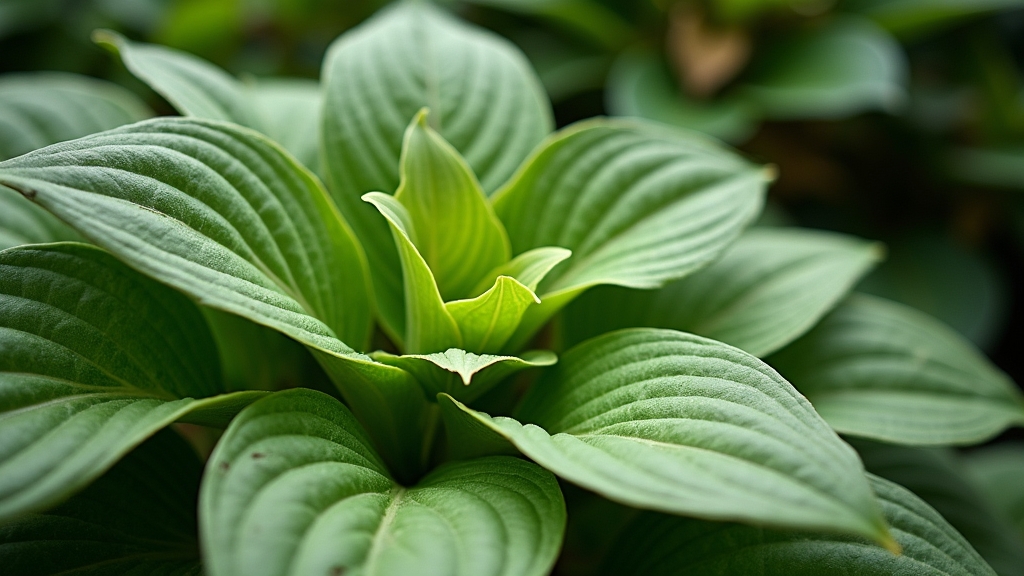
If you have lived in your home for more than three or four seasons, you have likely noticed a common phenomenon: that once-perfectly sized hosta near the porch has now morphed into a green monster, crowding out its neighbors and looking a bit thin in the middle. Here is the thing—overgrowth isn't just a cosmetic issue; it is a sign that your plants are competing with themselves for survival. As a landscaping specialist, I have spent over a decade helping homeowners transition from 'accidental jungles' back to curated, thriving landscapes. Splitting plants is one of the most cost-effective ways to populate your garden, but doing it wrong can lead to transplant shock or even plant loss.
Root Causes and Contributing Factors
To fix the problem, we first have to understand why it happens. Perennials, by their very nature, are designed to expand. However, several factors accelerate this process, leading to the dreaded 'doughnut effect' where the center of the plant dies out while the edges keep growing.
The Biology of Perennial Growth
Most perennials, including hostas, daylilies, and ornamental grasses, grow outward from a central crown. Over time, the oldest part of the plant—the center—becomes woody and exhausted. What most people miss is that the roots in the center are literally fighting for the same limited pool of nutrients and water as the newer, more vigorous roots on the perimeter. Eventually, the center gives up, leaving you with a hollow-looking plant.
Environmental Triggers for Overgrowth
Soil quality plays a massive role. If you are diligent about fertilizing but skip the thinning process, you are essentially putting your garden on a high-calorie diet without any exercise. Rich, organic-heavy soil causes plants to reach their maximum spread much faster than anticipated. Something to keep in mind is that the more shade a hosta receives, the slower it grows, whereas those in partial sun may need division every three years like clockwork.
Immediate Steps: The Surgical Split
When you realize your garden has become a muddled mess, it is time for a proactive garden maintenance session. Now, the important part: timing is everything. For most perennials, the best time to divide is either early spring (as the 'eyes' or shoots emerge) or early autumn (after the heat of summer has passed). This allows the roots to establish before extreme temperatures hit.
Essential Tools for Splitting Plants
Before you start digging, gather the right equipment. You will need:
- A sharp, flat-edged spade or a garden fork.
- A serrated garden knife (a Hori-Hori is my personal favorite).
- A tarp for keeping your lawn clean.
- Quality compost to amend the holes.
The Dig and Lift Method
Start by digging a circle around the drip line of the plant—the outermost edge of the leaves. This is where it gets interesting: you want to angle your spade inward, underneath the root ball. Once you have loosened the entire mass, use your spade as a lever to pop the plant out of the ground. For large, heavy hostas, you might need a partner to help lift it onto a tarp.
Sectioning the Root Ball
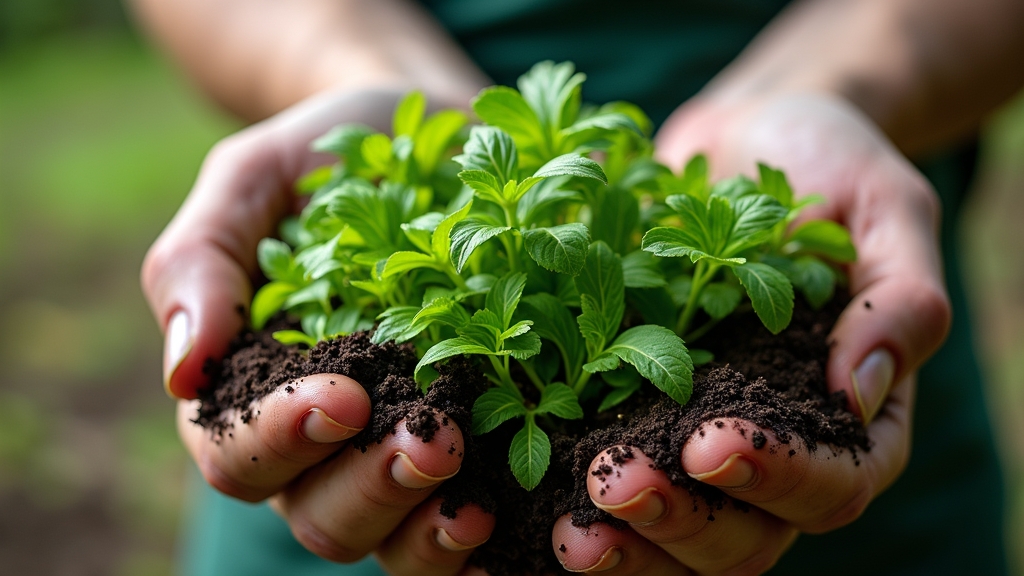
Once the plant is on the surface, look for natural divisions. For hostas, you can often see distinct clumps of leaves. Use your garden knife or even two garden forks back-to-back to pry the sections apart. Each new division should have at least three healthy shoots (eyes) and a substantial root system. The good news is that hostas are incredibly resilient; even a small piece of root with one 'eye' can often grow into a full plant within two seasons.
Long-term Prevention Strategies
Division shouldn't just be a reactive measure; it should be part of a long-term landscape strategy. On the other hand, if you hate the idea of digging up plants every three years, you can adjust your design to accommodate growth.
Strategic Spacing and Zoning
When planting new perennials, always research the 'mature width' and then add six inches. It looks sparse for the first year, but your future self will thank you. Worth mentioning is that you should group plants with similar growth rates together. If you plant a fast-spreading Daylily next to a slow-growing Coral Bell, the Daylily will win that territory battle every time.
Soil and Moisture Management
Avoid over-fertilizing with high-nitrogen products if you want to slow down leaf production. Focus instead on soil health through mulching with organic bark or leaf mold. This provides a slow release of nutrients that encourages steady, rather than explosive, growth. Something to keep in mind: consistent moisture is key after division. A stressed plant will grow irregularly, leading to an unbalanced shape the following year.
When to Call a Professional
While most hosta division is a DIY job, there are times when a certified specialist is necessary. If you are dealing with very old, woody shrubs that require more than a spade, or if your garden has structural issues like poor drainage that are contributing to root rot, a professional can provide a comprehensive site analysis. Now, the important part: if you have a large-scale estate with hundreds of perennials, a landscaping team can perform a 'rejuvenation prune and split' in a fraction of the time, ensuring your aesthetic remains cohesive throughout the season.
Conclusion
Dividing hostas and perennials is more than just garden maintenance; it is an act of renewal. By understanding the causes of overgrowth and taking the right immediate steps to split your plants, you can enjoy a more vibrant, healthy, and organized outdoor space. Remember, a garden is never 'finished'—it is a work in progress that rewards those who aren't afraid to get their hands a little dirty.