Why Most Garden Watering Methods Fail Over Time
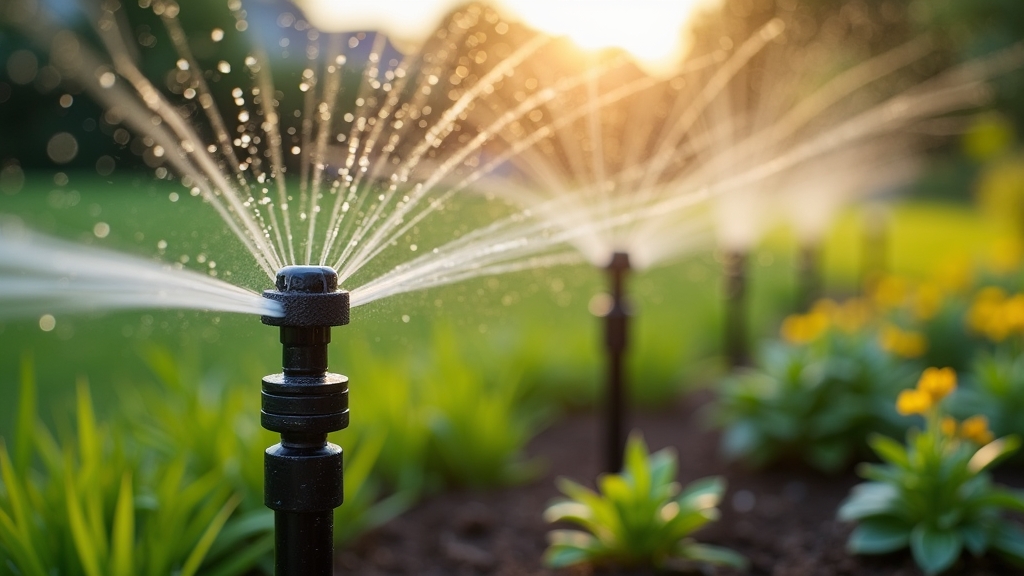
In my years of managing properties, I have seen every type of garden watering mistake possible. Most homeowners start with a simple hose or a cheap oscillating sprinkler. Here is the thing: those methods are inefficient and often lead to plant disease or astronomical water bills. Hand-watering is a temporary band-aid that depends on your schedule and patience. If you miss two days during a heatwave, your landscaping investment dies. Surface sprinklers often lose 30% of their water to evaporation before it even hits the soil.
The root cause of most garden failures isn't a lack of green thumb; it is inconsistent moisture. Traditional watering creates a cycle of 'flood and drought' that stresses plants. A drip system solves this by delivering water directly to the root zone at a slow, steady rate. This is where it gets interesting: a well-installed drip system can reduce water usage by up to 50% while actually improving plant health. However, many DIY setups fail within the first season because they use thin-walled tubing or skip essential pressure regulations.
The Core Components of a Permanent Drip System
Now, the important part is understanding that your irrigation setup is only as strong as its weakest link. You aren't just laying down some hoses; you are building a hydraulic system. To make it last a decade instead of a season, you need specific components that most big-box store kits leave out.
The Head Assembly
Every long-term drip system starts at the faucet with a professional-grade head assembly. This usually includes a backflow preventer, a pressure regulator, and a filter. What most people miss is the pressure regulator. Residential water pressure is often 40-80 PSI, but drip emitters are designed for 25 PSI. Without a regulator, your fittings will eventually pop off under the stress, usually while you are at work.
Mainline vs. Distribution Tubing
I always recommend using 1/2-inch poly tubing for your main trunk line and 1/4-inch vinyl or polyethylene for the individual plants. Something to keep in mind is the wall thickness. Thin tubing becomes brittle under UV exposure. Look for 'commercial grade' tubing with carbon black additives to resist sun damage.
Immediate Steps to Take for Your DIY Installation
Before you dig a single trench, you need a plan. Start by grouping plants with similar water needs into 'zones.' For example, succulents should not be on the same line as a thirsty vegetable patch. This is a common mistake that leads to root rot in one area and wilting in another.
- Map your layout: Measure the distance from your water source to the furthest plant. This determines if you need a single loop or a manifold system.
- Clean the area: Remove heavy debris or sharp rocks that could puncture the tubing over time.
- Assemble the manifold: Attach your timer, backflow preventer, filter, and 25 PSI regulator to your outdoor spigot.
- Lay the mainline: Run your 1/2-inch tubing along the perimeter of your garden beds. The good news is that you don't need to bury it deep; 2-3 inches under mulch is usually sufficient.
- Install emitters: Use a punch tool to insert emitters into the mainline. For larger shrubs, run a 'pig tail' of 1/4-inch tubing from the mainline directly to the base of the plant.
Long-Term Prevention and Maintenance Strategies
A permanent fix requires a maintenance mindset. Once the system is in the ground, the work isn't quite finished. On the other hand, a few minutes of prevention each season will save you hours of repair work later. Worth mentioning is the 'end-of-line' flush. Every six months, open the end caps of your mainlines and run the water for two minutes. This clears out any sediment that bypassed your filter.
Winterization Techniques
In colder climates, water trapped in the lines will freeze and split the plastic. To prevent this, install a manual drain valve at the lowest point of your system. In late autumn, turn off the main water supply and use an air compressor (set to low pressure) to blow out the remaining moisture. This simple step can add five years to the life of your poly tubing.
Mulching for Protection
UV light is the enemy of plastic. Always cover your irrigation lines with 2-3 inches of organic mulch like wood chips or straw. This protects the tubing from sun degradation and helps retain the moisture your system is providing. It also prevents the line from shifting due to temperature changes.
When to Call a Professional
While most drip systems are DIY-friendly, there are times when you should consult a licensed irrigator. If your property has significant elevation changes (more than a 10-foot rise), gravity will affect your water pressure. You may need specialized pressure-compensating emitters or a booster pump. Additionally, if you plan to tap into your main copper water line rather than an outdoor hose bib, local building codes usually require a professional to install a permanent backflow prevention device to protect the city's water supply.