Choosing the Right Path for Your Raised Garden
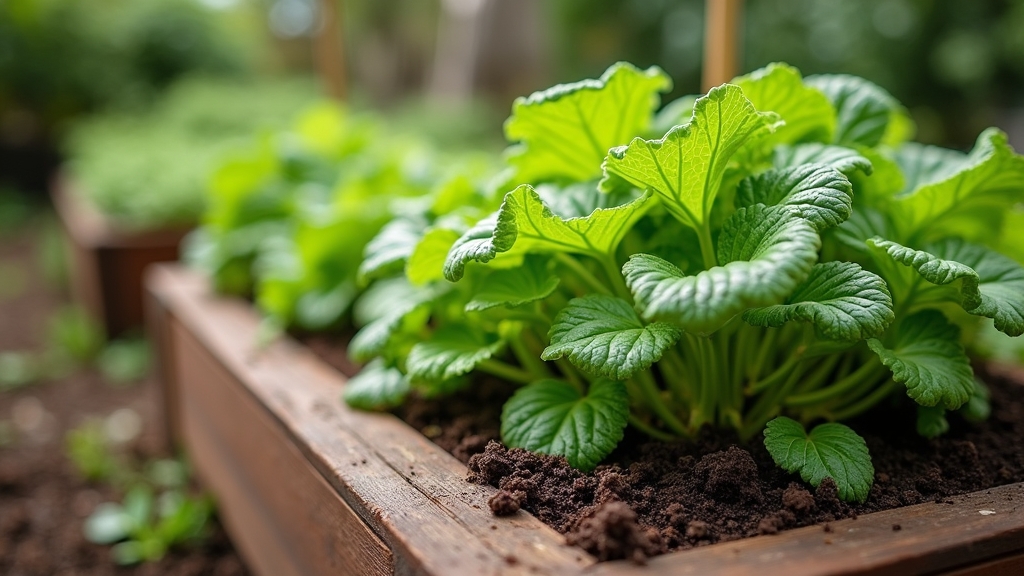
Raised bed gardens offer a sustainable way to grow food while improving soil drainage and reducing weed pressure. As more homeowners turn toward self-sufficiency, the question arises: should you build your garden beds yourself or hire a professional? Both paths lead to a productive garden, but the journey involves different levels of investment, skill, and time. This guide explores the practical differences to help you make an eco-friendly choice for your landscape.
The DIY Approach: Building Your Own Garden Beds
Building your own raised bed is a rewarding project for many homeowners. It allows for complete control over the materials used and the final layout. When you take your time with this, the result is a personalized growing space that fits your specific needs. Most DIY beds use untreated cedar, redwood, or heat-treated pine. These materials are sustainable and safe for food production.
Pros of DIY Raised Beds
- Lower Initial Cost: You save significantly on labor fees, paying only for raw materials and soil.
- Custom Dimensions: You can build beds to fit odd corners of your yard or specific heights that suit your physical comfort.
- Material Control: You ensure that no chemically treated woods or toxic finishes enter your ecosystem.
- Learning Experience: You gain a deeper understanding of your garden’s structure, making future repairs easier.
Cons of DIY Raised Beds
- Time Intensive: Measuring, cutting, and assembling takes hours or even days. Do not rush the process, as errors can lead to bowing walls later.
- Tool Requirement: You need access to a miter saw, drill, level, and square. Buying these adds to the cost if you don't already own them.
- Physical Labor: Moving heavy lumber and several cubic yards of soil is physically demanding.
The Professional Approach: Expertly Installed Raised Beds
Hiring a professional landscaper or garden designer ensures a polished, durable result. Professionals often handle everything from site leveling to irrigation installation. If your yard has complex slopes or if you want high-end materials like stone or masonry, a pro is often the better choice. It is worth doing right the first time if you plan for the garden to be a permanent architectural feature of your home.
Pros of Professional Installation
- Structural Longevity: Professionals understand soil pressure. They use techniques like internal bracing to prevent the wood from splaying over time.
- Integrated Systems: Many pros can install automatic drip irrigation directly into the beds, ensuring your plants stay hydrated efficiently.
- Proper Leveling: On sloped ground, a professional can terrace the area or sink posts deeply to ensure the beds remain perfectly level.
- Warranty and Speed: A crew can often complete in one day what might take a solo DIYer three weekends.
Cons of Professional Installation
- Higher Cost: Labor costs can often double or triple the total price of the project.
- Less Flexibility: Once a professional design is finalized and built, making small adjustments later is more difficult and expensive.
- Scheduling: You are at the mercy of the contractor’s timeline, which may not align with the start of the planting season.
Detailed Cost Comparison
The financial difference between these two options is substantial. For a standard 4x8-foot cedar raised bed, a DIYer might spend $150 to $250 on lumber and hardware. High-quality organic soil adds another $100 to $150. Total DIY cost: approximately $250 to $400 per bed.
A professional installation for the same size bed typically starts at $800 and can exceed $1,500 depending on the complexity. This price includes the design, site preparation, materials, labor, and often the first round of soil and mulch. While the price is higher, you are paying for the convenience and a guarantee of structural integrity. Small details matter here, such as the use of stainless steel screws and rot-resistant liners, which pros often include as standard.
Best Use Cases: When to DIY and When to Hire
Your decision should depend on your site conditions and your available time. Trust your instincts on this one; if the project feels overwhelming, it likely is.
Choose DIY if:
- Your yard is relatively flat and easy to dig.
- You have a limited budget but plenty of free weekends.
- You want to experiment with different locations before committing to a permanent setup.
- You enjoy woodworking and want the satisfaction of building something with your hands.
Choose a Professional if:
- Your yard has a significant slope that requires retaining walls or terracing.
- You want to use heavy materials like stone, brick, or large timber beams.
- You require integrated irrigation or lighting systems.
- You have physical limitations that make heavy lifting and digging difficult or unsafe.
Final Recommendation
For most sustainable living enthusiasts, a DIY approach with high-quality cedar is the best balance of cost and eco-friendliness. It allows you to source local materials and build slowly as your budget allows. However, if you are looking for a "forever" garden that enhances your property value and requires zero manual labor on your part, hiring a professional is a sound investment. Regardless of the path you choose, remember that the soil is the heart of the garden. Whether you build the box yourself or hire it out, prioritize filling it with high-quality, organic compost to ensure your garden thrives for years to come.