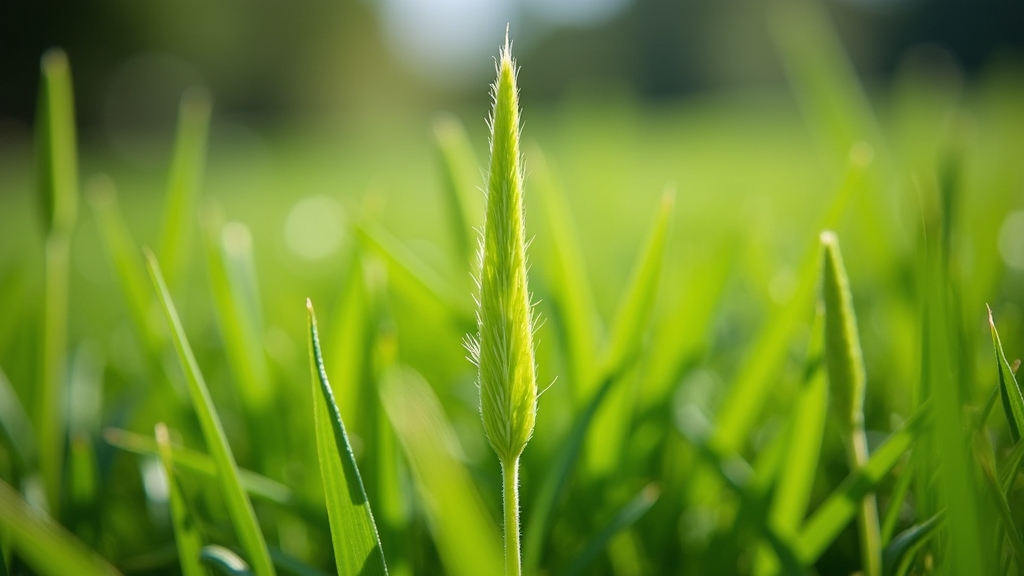
If you’ve ever looked out at your carefully manicured patch of green only to see thick, sprawling clumps of coarse grass branching out like a crab’s legs, you know the frustration of Digitaria—better known as crabgrass. As someone who has spent years helping city dwellers maximize every square inch of their green space, I can tell you that crabgrass is the ultimate opportunist. It doesn't just show up; it moves in when your lawn is at its weakest.
Many people reach for a bottle of heavy-duty synthetic herbicide the moment they see those lime-green blades. But here is the thing: those chemicals are often a temporary Band-Aid that can harm your soil’s microbiome and your local ecosystem. To truly win the war against crabgrass, we need to stop looking at it as a monster to be killed and start seeing it as a symptom of a deeper issue. Today, we’re diving into organic weed control methods that offer a permanent, long-term solution.
The Root Causes of Crabgrass Infestation
To beat crabgrass, you have to understand its strategy. It is an annual weed, meaning it grows from seed, lives its life, drops thousands of new seeds, and dies with the first frost. What most people miss is that crabgrass is actually a biological indicator. It tells you exactly what is wrong with your soil.
Soil Compaction and Drainage
Crabgrass has a much tougher root system than most desirable turfgrasses. If your soil is as hard as a brick—which is common in urban areas with high foot traffic—your lawn grass will struggle to breathe and expand. Crabgrass, on the other hand, thrives in compacted, low-oxygen soil. If you have standing water or areas that stay soggy, you’re essentially rolling out the red carpet for this weed.
Mowing Too Short
This is perhaps the biggest contributing factor. Many homeowners like the look of a golf-course-short lawn. However, when you mow your grass too low, you expose the soil surface to sunlight. Crabgrass seeds need that direct sunlight and warmth to germinate. By scalping your lawn, you are providing the exact environment those seeds need to wake up.
Thin Turf and Bare Spots
Nature abhors a vacuum. If there is a bare patch of dirt in your garden or lawn, something will fill it. In the city, where space is tight and soil is often depleted, those bare spots are prime real estate for opportunistic weeds. The good news is that if you fill that space with healthy plants first, the crabgrass won't have a place to land.
Immediate Steps for Organic Weed Control
If you already have crabgrass actively growing, you need to act before it goes to seed. A single crabgrass plant can produce up to 150,000 seeds in a single season. Now, the important part: every seed that hits the ground this year is a problem for the next seven years.
Manual Removal (The Right Way)
For small-space gardeners or those with manageable lawns, hand-pulling is the most effective organic method. The trick is to do it after a heavy rain or a deep watering when the soil is soft. You must ensure you get the root crown; if you just rip off the blades, the plant will grow back even faster.
Natural Herbicides and Acetic Acid
You can use a high-concentration horticultural vinegar (20% acetic acid) as a natural herbicide. Something to keep in mind: vinegar is non-selective. This means it will kill your beautiful Kentucky Bluegrass just as quickly as the crabgrass. Use a piece of cardboard to shield your desirable plants, or use a targeted spray bottle. This works best on young plants before they have established a massive root system.
Boiling Water Technique
For crabgrass popping up in sidewalk cracks or between pavers—common in apartment courtyards—boiling water is your best friend. It’s free, non-toxic, and kills the plant by cooking the cellular structure instantly. Just be careful not to splash your toes!
Long-Term Prevention Strategies
Organic weed control isn't just about killing weeds; it’s about making your environment so healthy that weeds can't survive. This is where it gets interesting: a thick, healthy lawn is the best weed-killer ever invented.
Corn Gluten Meal: The Natural Pre-Emergent
Corn gluten meal is a byproduct of corn processing and acts as a natural pre-emergent herbicide. It contains a peptide that prevents seeds from forming roots during germination.
- Timing: You must apply it in early spring when the forsythia bushes begin to bloom (soil temperature around 55°F).
- Fertilization: It’s also about 10% nitrogen, so it feeds your existing grass while stopping new weeds.
- Warning: Don't use this if you are planning to overseed your lawn with grass seed at the same time, as it will stop your grass seed from growing too!
Raise Your Mower Blade
If you want a permanent fix, set your mower to at least 3 or 3.5 inches. Worth mentioning is that taller grass has deeper roots. Taller blades also provide shade to the soil, keeping it cool and preventing those dormant crabgrass seeds from getting the light they need to sprout. This simple change can reduce weed populations by over 50% in a single season.
Deep, Infrequent Watering
Crabgrass has relatively shallow roots compared to established turfgrass. If you water your lawn for 10 minutes every day, you are keeping the surface moist—perfect for crabgrass. Instead, water deeply (about 1 inch) once a week. This encourages your grass roots to grow deep into the soil to find moisture, leaving the top layer dry and inhospitable for germinating weeds.
Overseeding and Soil Aeration
In the fall, aerate your soil to combat compaction. Follow this immediately with overseeding. By adding more grass seed to your existing lawn, you close the gaps. On the other hand, if you leave the soil bare after aeration, you’re just creating perfect little holes for weed seeds to fall into. Always match your seed type to your specific microclimate—shade-tolerant seeds for those narrow city alleys and drought-resistant fescue for sunny balconies or yards.
When to Call a Professional
While DIY organic methods are highly effective, there are times when you might need a pro. If your entire lawn is more than 50% crabgrass, you aren't looking at a "weed problem"; you’re looking at a soil restoration project. A professional can provide large-scale core aeration, professional-grade soil testing, and mechanical dethatching that might be difficult to manage with small-scale garden tools. Look for a "Landcare" professional who specializes in organic or integrated pest management (IPM) to ensure they don't just spray chemicals and walk away.
Final Thoughts
Crabgrass isn't an overnight invader, and it won't be an overnight departure. But by shifting your focus from "killing the weed" to "cultivating the soil," you create a resilient ecosystem that naturally resists pests and weeds. It’s about working with nature rather than trying to dominate it with harsh chemicals. Your pets, your kids, and the local bees will thank you for it.