Understanding Why Your Compost Pile Smells
In most homes, a compost pile is a silent worker that turns kitchen scraps into garden gold. However, when that pile starts to emit an unpleasant odor, it is a clear signal that the biological process has gone off track. You will learn how to identify the specific causes of compost odors and implement seasonal solutions to keep your bin healthy and scent-free. Fixing a smelly compost pile is not just about neighborly courtesy; it is about ensuring your soil receives the best possible nutrients.
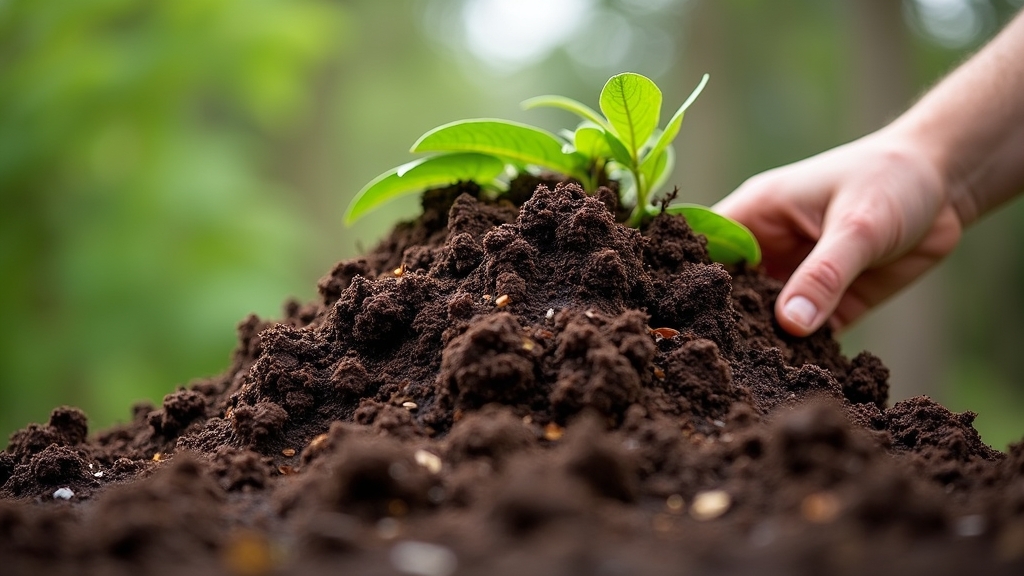
The real issue usually is a lack of balance. A healthy compost pile should smell like fresh earth or a forest floor. If it smells like rotten eggs, ammonia, or vinegar, the decomposition has turned anaerobic. This means the beneficial bacteria that need oxygen have died off, and bacteria that thrive without air have taken over. These anaerobic microbes produce gases that cause the foul smells we want to avoid.
Identifying the Type of Odor
Before you can apply smelly compost solutions, you must identify what the smell is telling you. From experience, I have found that different scents point to specific problems. A sharp ammonia smell typically means you have too much nitrogen-rich material, often called 'greens.' This includes fresh grass clippings and kitchen scraps. What works best is adding 'browns,' such as dried leaves or straw, to balance the chemistry.
If the pile smells like rotten eggs or sulfur, the issue is likely a lack of oxygen or excessive moisture. This happens when the materials become compacted or waterlogged. In my experience, these two issues often go hand-in-hand because water fills the air pockets between the organic matter, suffocating the aerobic bacteria. Over the years, I have learned that a quick sniff test is the fastest way to diagnose your compost's health.
Step-by-Step Solutions for Compost Odor Control
Balancing the Carbon-to-Nitrogen Ratio
One thing many people overlook is the importance of the 'Brown to Green' ratio. For every bucket of kitchen scraps (greens), you should ideally add two to three buckets of dry carbon materials (browns). A common situation is a homeowner dumping a large bag of fresh grass clippings into the bin and wondering why it smells a day later. The grass is high in nitrogen and lacks structure, so it mats down and begins to rot instead of composting.
To fix this, mix in shredded cardboard, dried leaves, or wood chips. These materials provide the carbon that microbes need for energy and create the physical structure required for air to circulate. What I have found is that keeping a bag of crushed dry leaves next to the compost bin makes it easy to add a layer of browns every time you drop off kitchen waste.
Aerating the Compost Bin Correctly
Aerating your compost bin is the most effective way to stop anaerobic odors quickly. When you turn the pile, you introduce fresh oxygen and break up clumps of material. You can use a pitchfork, a garden fork, or a dedicated compost aeration tool. Start from the outside of the pile and move materials toward the center. If you have a tumbler, give it several full rotations every few days.
In my experience, you should aim to turn the pile at least once a week during the active growing season. If the center of the pile feels cool to the touch, it definitely needs more air and perhaps a bit more green material to jumpstart the heating process. The key thing to remember is that oxygen is the fuel for the 'good' bacteria.
Managing Compost Moisture Balance
Achieving the perfect compost moisture balance is a delicate task. Your compost should feel like a wrung-out sponge. If you squeeze a handful and water drips out, it is too wet. If it feels brittle and dusty, it is too dry. Excess moisture is a primary cause of odor because it creates an anaerobic environment.
If your pile is too wet, add dry browns immediately and turn the pile to incorporate them. You might also want to leave the lid off on a sunny day to help evaporate the excess liquid. If the pile is too dry, decomposition will stop entirely. In this case, lightly sprinkle the pile with a garden hose while you turn it, ensuring the moisture reaches the center.
A Seasonal Guide to Compost Maintenance
Spring: Managing High Moisture and New Growth
Spring brings heavy rain and a flush of green growth. A common situation is a waterlogged pile from spring showers. If your bin sits on the ground, ensure it has good drainage. You may need to cover the pile with a tarp during heavy downpours to prevent it from becoming a muddy mess. As you begin mowing the lawn, remember to mix those nitrogen-heavy grass clippings with last year’s leftover dry leaves to prevent ammonia smells.
Summer: High Heat and Fruit Scraps
Summer heat accelerates decomposition, but it also increases the risk of odors and pests. What works best is burying your kitchen scraps at least six inches deep into the pile. This prevents fruit flies and keeps the smell of rotting fruit from escaping. If the weather is particularly hot and dry, check the moisture levels frequently. A dry pile won't smell, but it also won't turn into compost.
Fall: The Abundance of Browns
Fall is the best time to stock up on carbon materials. One thing many people overlook is that whole leaves can mat together and block air. From experience, I recommend running a lawnmower over your leaves before adding them to the pile. This increases the surface area for bacteria to work and prevents the 'pancake effect' that leads to anaerobic pockets.
Winter: Slowing Down and Insulating
In cold climates, decomposition slows down significantly. The real issue usually is that the pile becomes dormant, and when it thaws in the spring, it releases a backlog of odors. To prevent this, keep adding browns throughout the winter. If your pile freezes, stop turning it until it thaws, as you will only lose whatever internal heat the pile has managed to maintain. Placing a layer of straw on top can help insulate the core.
Common Mistakes to Avoid
- Adding the Wrong Materials: Never add meat, dairy, oils, or pet waste to a backyard compost bin. These materials require very high temperatures to break down and will attract pests while creating terrible smells.
- Forgetting the Browns: Many people treat their compost bin like a trash can for food only. Without carbon, you are essentially just letting food rot in a pile.
- Over-watering: It is tempting to hose down the pile, but too much water is the fastest way to create a sulfur smell.
- Lack of Airflow: Using a solid plastic container without air holes is a common mistake. If you use a DIY bin, ensure you have drilled plenty of 1/2-inch holes in the sides and bottom.
Final Thoughts from a Sustainable Advocate
Over the years, I have learned that a compost pile is a living ecosystem. It requires a little bit of attention to keep the balance right. If you encounter a smell, do not be discouraged. It is simply the pile's way of asking for more air or more carbon. By following these steps, you can turn a smelly problem into a productive part of your sustainable garden. What I have found is that once you master the balance of moisture and aeration, composting becomes one of the most rewarding habits for any homeowner.