The Silent Struggle Beneath Your Feet
In my ten years of visiting residential properties, I have seen homeowners spend thousands on exotic plants and high-end fertilizers only to watch their gardens wither. They often blame the weather or a lack of a green thumb, but here is the thing: the problem is almost always right under their boots. Compacted soil is the silent killer of domestic landscapes. When soil particles are pressed too tightly together, the pore spaces that should hold oxygen and water disappear. This effectively suffocates the root systems of your plants.
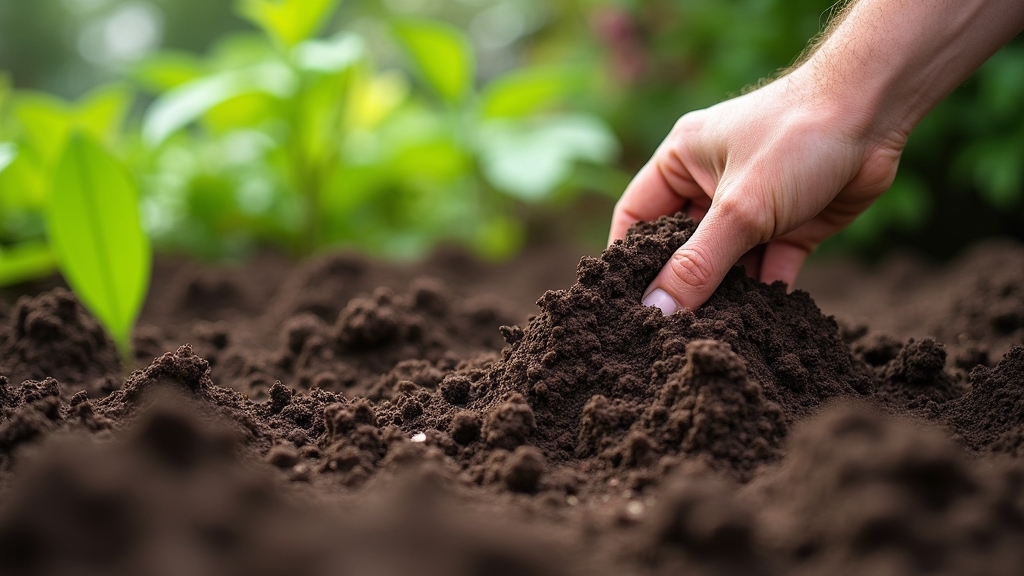
Now, the important part to understand is that soil isn't just dirt; it is a living ecosystem. When it gets packed down—whether from foot traffic or natural composition—that ecosystem collapses. If you notice water pooling on the surface after a light rain or find it impossible to push a screwdriver more than an inch into the ground, you are dealing with compaction. Let’s look at how we can turn that concrete-like ground back into a thriving garden bed.
Understanding the Root Causes of Compaction
Before we jump into the fix, we need to know why this happened in the first place. This is where it gets interesting: sometimes, the very things we do to 'help' our gardens actually make compaction worse. Heavy clay soil is naturally prone to it because the particles are tiny and flat, like microscopic bricks that stack together. However, human activity is usually the primary catalyst.
Foot Traffic and Heavy Equipment
What most people miss is that even a single pass with a riding lawnmower on wet soil can do more damage than a season of walking. When soil is saturated, the water acts as a lubricant, allowing soil particles to slide and lock into every available air pocket. Over time, consistent paths carved by pets or kids create 'dead zones' where nothing can grow.
The Tilling Paradox
This is a tough one for many traditional gardeners to hear, but over-tilling is a major contributor to long-term compaction. While a rototiller makes the top three inches look fluffy, the weight and vibration of the machine create a 'hardpan' layer just beneath the blades. You end up with a loose surface sitting on top of an impenetrable shelf of clay, leading to poor drainage and shallow root systems.
Immediate Steps for Decompacting Garden Beds
If you have a bed that is currently stagnant, you need to reintroduce air and break the physical bonds of the soil. But don't reach for the heavy machinery just yet. The goal is to aerate without destroying the soil structure.
Using a Broadfork
The good news is that you can achieve professional-grade aeration with a simple manual tool called a broadfork. Unlike a tiller, a broadfork has long metal tines that you step on to drive into the ground. You then pull the handles back slightly to crack the soil open. This creates deep fissures for air and water to penetrate without flipping the soil upside down and killing beneficial microbes.
Core Aeration
For larger areas or lawn-to-garden conversions, aerating garden soil often requires a core aerator. Something to keep in mind: never use 'spike' aerators. Spikes actually push the soil outward and downward, increasing compaction around the hole. You want a tool that removes a physical plug of soil, leaving a hollow space for the surrounding earth to relax into.
Long-Term Strategies for Clay Soil Amendment
Fixing the soil today is useless if it just settles back into a brick next month. To achieve a permanent fix, we have to change the physical structure of the earth through organic amendments. This is a marathon, not a sprint.
The Power of Organic Matter
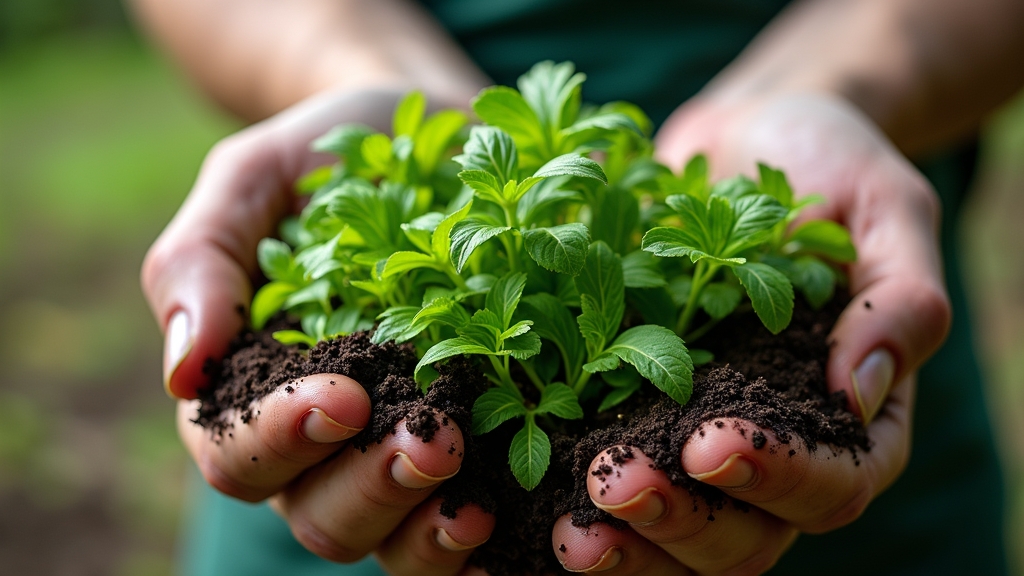
The gold standard for clay soil amendment is high-quality compost. As organic matter breaks down, it creates 'humus,' which acts like a biological glue, sticking tiny clay particles together into larger clumps called aggregates. These aggregates create natural gaps for drainage. I recommend top-dressing your beds with two inches of compost every single fall. You don't even need to dig it in; the worms will do that work for you.
Mulching and Moisture Control
Worth mentioning is the role of mulch in preventing compaction. Bare soil is vulnerable. Raindrops hitting bare earth act like tiny hammers, sealing the surface. A thick layer of wood chips or straw cushions the impact of rain and prevents the sun from baking the surface into a hard crust. On the other hand, it also keeps the soil moist enough that earthworms remain active near the surface, constantly tunneling and aerating the soil for you.
Permanent Pathways
One of the most practical soil drainage tips I give my clients is to design 'no-step' zones. If you can reach the middle of your garden bed from a permanent stone or wood-chip path, you never have to step on the growing area. By eliminating foot traffic entirely, you remove the primary cause of mechanical compaction.
When to Call a Professional
While most compaction can be handled with a broadfork and some patience, there are times when you need an expert. If your yard has significant standing water for more than 24 hours after a rain, you might have a grading issue or a high water table rather than just compacted soil. In these cases, a landscape contractor may need to install a French drain or a dry well. Additionally, if your soil is 'sodic' (high in sodium), standard aeration won't work, and you'll need a professional soil test to determine the exact chemical buffer needed to break those bonds.