Understanding the Challenge of Patchy Lawn Grass
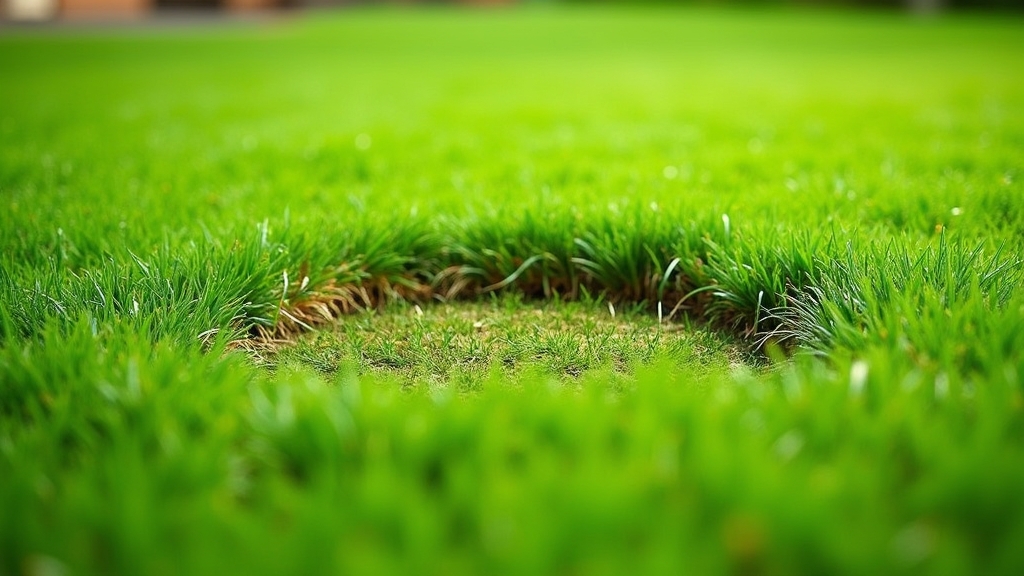
In most homes, the lawn is the first thing people notice, but maintaining a uniform carpet of green is often harder than it looks. Whether it is due to heavy foot traffic, pet activity, or underlying soil issues, bare spots and thinning patches are common frustrations for homeowners. Over the years, I have learned that fixing these spots is not just about throwing down some seeds; it requires a strategic approach to ensure the new grass actually takes hold and thrives.
When you are faced with a deteriorating yard, the first question usually is: can I fix this myself, or is it time to call in a professional? The answer depends on the scale of the damage and your own patience for manual labor. From experience, what I have found is that while small patches are easily manageable for the average weekend gardener, a full lawn renovation often requires tools and expertise that go beyond the standard garden shed kit.
The DIY Approach to Repairing Bare Lawn Spots
For many homeowners, repairing bare lawn spots is a rite of passage. If you have a few isolated patches caused by a dog or a temporary drought, a DIY fix is highly effective and satisfying. The real issue usually is not the grass itself, but the preparation of the ground beneath it.
The DIY Process: Step-by-Step
If you decide to tackle the job yourself, the key thing to remember is that seed-to-soil contact is the most critical factor for success. Simply scattering seeds over dead grass will rarely result in growth.
- Clear and Prep: Remove any dead grass or debris from the patch. Use a sturdy rake to loosen the top inch of soil. If the soil feels like concrete, it is likely compacted—a common situation that prevents new roots from penetrating.
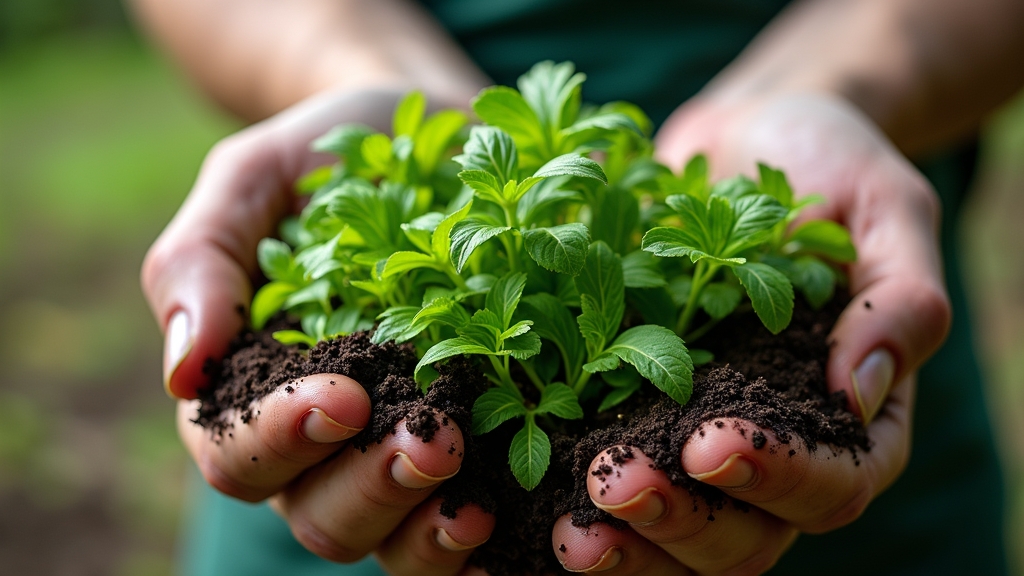
- Amend the Soil: In my experience, adding a thin layer of high-quality compost or topsoil provides the nutrients necessary for young seedlings.
- Seeding: Apply a grass seed that matches your existing lawn type. What works best is a light, even distribution followed by a gentle raking to incorporate the seeds into the soil.
- Overseeding Patchy Grass: If the whole lawn is looking a bit thin, you might consider overseeding the entire area rather than just spotting. This involves spreading seed over existing grass to thicken the turf.
- Watering: This is where most DIY projects fail. New seeds need constant moisture. You must water lightly but frequently—sometimes twice a day—until the grass is about two inches tall.
Pros of DIY Lawn Repair
- Cost-Effective: You only pay for the materials (seed, soil, and perhaps a handheld spreader).
- Immediate Action: You can start as soon as you notice a problem without waiting for a contractor’s schedule.
- Personal Satisfaction: There is a unique pride in seeing your own work turn into a lush green space.
Cons of DIY Lawn Repair
- Physical Labor: Raking, tilling, and hauling soil can be taxing on the back and joints.
- Trial and Error: Without professional soil testing, you might be using the wrong seed or fertilizer for your specific environment.
- Time Intensive: The daily watering schedule requires a level of commitment that many busy homeowners struggle to maintain.
The Professional Option: Lawn Renovation Services
Sometimes, the damage is too extensive for a rake and a bag of seed. If more than 40-50% of your lawn is patchy or dead, you are looking at a full lawn renovation. This is when hiring a professional becomes the more logical choice. What many people overlook is that professionals have access to industrial-grade equipment that significantly increases the germination rate of the seeds.
What Professionals Do Differently
A professional service doesn't just plant grass; they diagnose the ecosystem of your yard. They often begin with a soil test to check pH levels and nutrient deficiencies. From there, they may use specialized machinery like a power seeder (or slice seeder) which cuts small grooves into the soil and drops seeds directly into them, ensuring near-perfect seed-to-soil contact.
Pros of Professional Repair
- Expert Diagnosis: They can identify if your patches are caused by grubs, fungus, or soil acidity—issues a DIYer might miss.
- Superior Equipment: Machines like core aerators and slit seeders produce results that are difficult to replicate by hand.
- Guaranteed Results: Many reputable companies offer a guarantee, meaning they will return and re-seed if the initial application doesn't take.
Cons of Professional Repair
- Higher Upfront Cost: You are paying for labor, equipment overhead, and expertise.
- Scheduling Constraints: During the peak seasons of spring and fall, the best companies are often booked weeks in advance.
Cost Comparison: DIY vs. Professional
The financial aspect is usually the deciding factor. For a DIY project, your costs are limited to the price of grass seed, a bag of topsoil, and perhaps a manual spreader. For a few small patches, you might spend between $50 and $100. If you are overseeding a standard 5,000 square foot lawn, you might spend $150 to $300 on materials.
Professional services, on the other hand, typically charge based on the square footage and the specific treatments required. A professional aeration and overseeding service for a medium-sized lawn can range from $400 to $800. A full lawn renovation, which might include killing off old weeds and starting fresh, can cost significantly more.
Best Use Cases: When to DIY and When to Hire
In my experience, there is a clear line between when you should grab a shovel and when you should grab the phone.
Choose DIY When:
- The bare spots are small (under 10 square feet total).
- The patches are caused by known factors like pet urine or a localized spill.
- You have a working irrigation system or the time to water manually every day.
- You are on a tight budget and don't mind the physical work.
Hire a Professional When:
- The patches are widespread across the entire yard.
- You have tried to fix the spots yourself multiple times without success.
- The soil is heavily compacted or has poor drainage.
- You are preparing a home for sale and need a high-quality, guaranteed result quickly.
Final Recommendation
The key thing to remember is that grass is a living organism that requires specific conditions to grow. If you have the time and the interest in gardening, DIY lawn repair is a great way to connect with your home. However, don't let a small problem turn into a large frustration. If you find that you are constantly fighting the same bare spots year after year, the real issue usually lies beneath the surface. In those cases, the expertise of a professional is worth every penny to fix the foundation of your lawn once and for all.