Reclaiming Your Backyard: A Guide to Smarter Pest Control
Fifteen years ago, I planted my first row of tomatoes and watched in horror as they were stripped to the stems in forty-eight hours. My initial reaction was what I call the 'nuclear option'—I ran to the store and bought the strongest spray I could find. It was a disaster. Not only did I kill the pests, but I also killed the bees and ended up with a garden that felt sterile and unhealthy. Over the years, I’ve learned that garden pest control isn't about total eradication; it’s about balance. Today, we are going to walk through how to identify, manage, and prevent infestations using organic pest control methods that actually work without compromising your family’s health or the local ecosystem.
The Tools and Materials You Need
Before you start scouting for bugs, you need a basic kit. You don’t need expensive machinery, but having these items on hand prevents the 'panic-buying' of harsh chemicals when a problem arises.
- Handheld Pressure Sprayer: A simple 1-gallon pump sprayer is essential for applying neem oil or soap-based solutions evenly.
- Pruning Shears: Sharp, clean shears are your first line of defense to remove infested foliage.
- Yellow Sticky Traps: These are primarily for monitoring, not just catching. They tell you which pests are arriving before you see them on the plants.
- Row Covers: A lightweight mesh fabric that physically blocks insects from reaching your crops.
- Horticultural Soap or Neem Oil: The staples of organic pest control.
- A High-Quality Magnifying Glass: You cannot treat what you cannot see. Identifying the difference between a beneficial larva and a pest is crucial.
Preparation: The Scouting Phase
Success in the garden is 90% observation. Take your time with this. I make it a habit to walk my garden every morning with a cup of coffee, looking at the undersides of leaves. This small detail matters because by the time you see damage on the top of a leaf, the infestation is usually well-established. Look for tiny eggs, sticky residue (honeydew), or stippling (small white dots). Trust your instincts on this one; if a plant looks 'off' or wilted despite being watered, it’s time to look closer at the roots and stems.
Common Mistakes to Avoid
Mistake 1: Misidentifying Your Targets
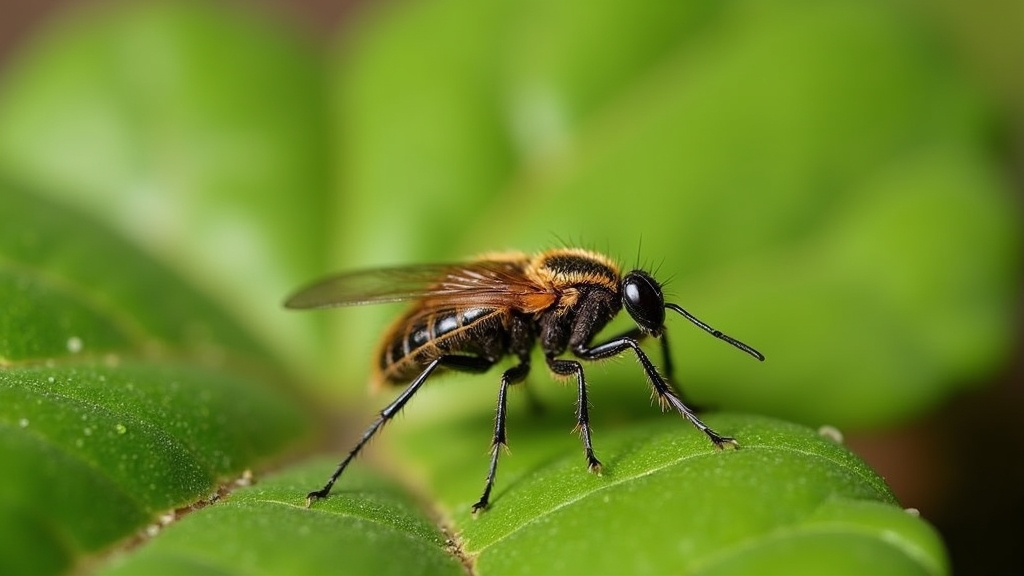
The biggest error I see beginners make is treating every insect like an enemy. If you see a ladybug larva and mistake it for a pest, you are killing your best natural ally. Ladybug larvae look like tiny, spiky black and orange alligators, and they eat aphids like it’s their job. Before you apply any treatment, even organic ones, look up the insect. If it’s a predator, leave it alone. It is worth doing right the first time by ensuring you aren't accidentally sabotaging your garden’s natural defense system.
Mistake 2: Over-Applying Organic Treatments
Just because a product is labeled 'organic' or 'natural' doesn't mean it’s harmless. Neem oil and insecticidal soaps work by suffocating the insect or disrupting their feeding. However, if you apply these in the middle of a hot, sunny day, you will burn your plants' leaves (phytotoxicity). Always apply treatments in the late evening when the sun is low and the bees have gone back to their hives. This gives the treatment time to work and dry before the morning sun hits.
Step-by-Step Organic Pest Management
Step 1: Physical Removal and Pruning
If you find a cluster of aphids or a few tomato hornworms, don’t reach for a bottle. Reach for your hands. Pick off larger pests and drop them into a bucket of soapy water. If a specific branch is heavily infested, prune it off entirely and bag it for disposal. Do not compost infested plant material, as many pests or their eggs can survive the composting process and return to your garden next year.
Step 2: The High-Pressure Blast
For soft-bodied insects like aphids, spider mites, and whiteflies, a sharp stream of water from a garden hose is often more effective than any spray. Aim for the undersides of the leaves. This physically knocks them off the plant, and most are too small to climb back up before they perish or are eaten by ground predators.
Step 3: Applying Soap and Oil Solutions
If the physical methods aren't enough, it’s time for a targeted spray. Mix your horticultural soap or neem oil according to the exact measurements on the label—never 'eyeball' it. Coat the plant thoroughly, focusing on the crevices where stems meet leaves. Remember, these products must make physical contact with the insect to work; they have no residual effect once they dry.
Tips for Long-Term Success
Pest control is easier when your plants are healthy. A stressed plant sends out chemical signals that actually attract pests. Ensure your soil is rich in organic matter and that you aren't over-fertilizing with high-nitrogen products, which create the lush, tender growth that aphids love. Additionally, practice crop rotation. Never plant your tomatoes in the same spot two years in a row, as many pests overwinter in the soil waiting for their favorite snack to return.
Troubleshooting Common Issues
The Pests Keep Coming Back
If you treat your plants and the pests return within days, you likely missed the 'source.' Check nearby weeds or ornamental plants that might be acting as a host. Also, check for ants. Ants often 'farm' aphids for their honeydew and will protect them from natural predators like ladybugs. To stop the aphids, you sometimes have to stop the ants first.
Leaves Are Turning Yellow After Treatment
This is usually a sign of over-application or applying during high heat. If you notice this, rinse the plant with fresh water to remove any residue and hold off on further treatments for at least a week. Let the plant recover its vigor before trying a more diluted solution.