Why Most Garden Pest Control Efforts Fail
In my thirty years as a contractor, I’ve built a lot of homes, but I’ve also fixed a lot of backyards. Here is the thing: people approach garden pests the same way they approach a leaky pipe—they want a quick fix that stops the problem immediately. But a garden isn't a closed plumbing system; it is a living, breathing ecosystem. What most people miss is that by trying to wipe out every single bug, they actually make their pest problem worse in the long run.
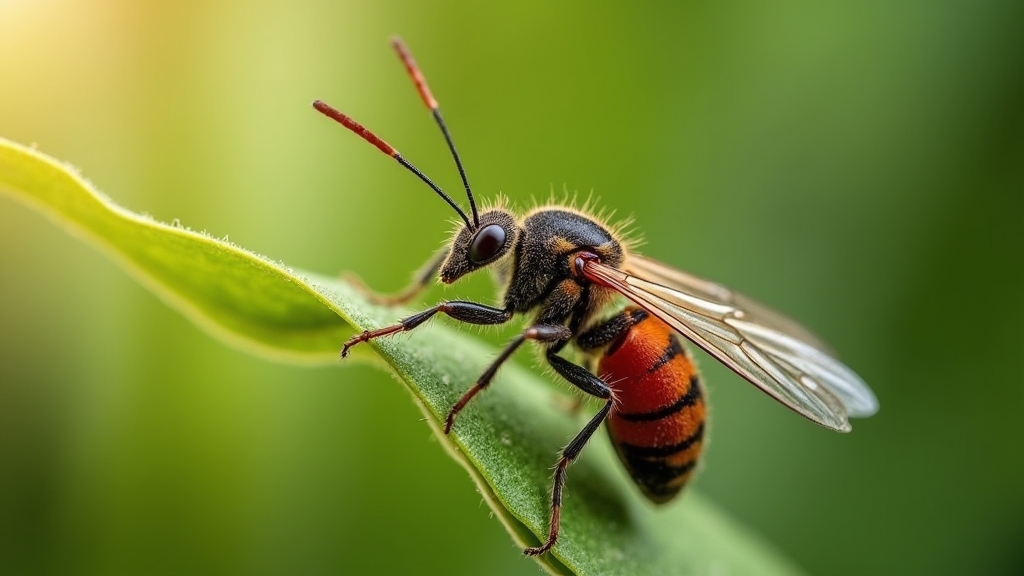
I’ve seen homeowners douse their tomatoes in heavy chemicals the moment they see a single aphid. Now, the important part to understand is that when you kill the 'bad' bugs with broad-spectrum sprays, you’re also killing the ladybugs, lacewings, and predatory wasps that were supposed to do the work for you. This creates a vacuum that the pests fill twice as fast. Organic pest control isn't just a buzzword; it’s about working with the environment rather than trying to beat it into submission with a spray bottle.
Essential Tools and Materials for Smarter Pest Management
Before you go out there and start pulling hair out over your ravaged kale, you need the right kit. You don't need fancy gadgets, just a few reliable staples that I’ve found to be indispensable over the decades.
- Hand Lens or Magnifying Glass: You can't fight what you can't see. Identifying the specific larvae or egg clusters is the first step.
- Floating Row Covers: These are lightweight fabrics that let light and water in but keep moths and beetles out.
- Yellow Sticky Traps: Great for monitoring flying insect populations, not just catching them.
- Pruning Shears: Sometimes the best pest control is simply removing the infested limb.
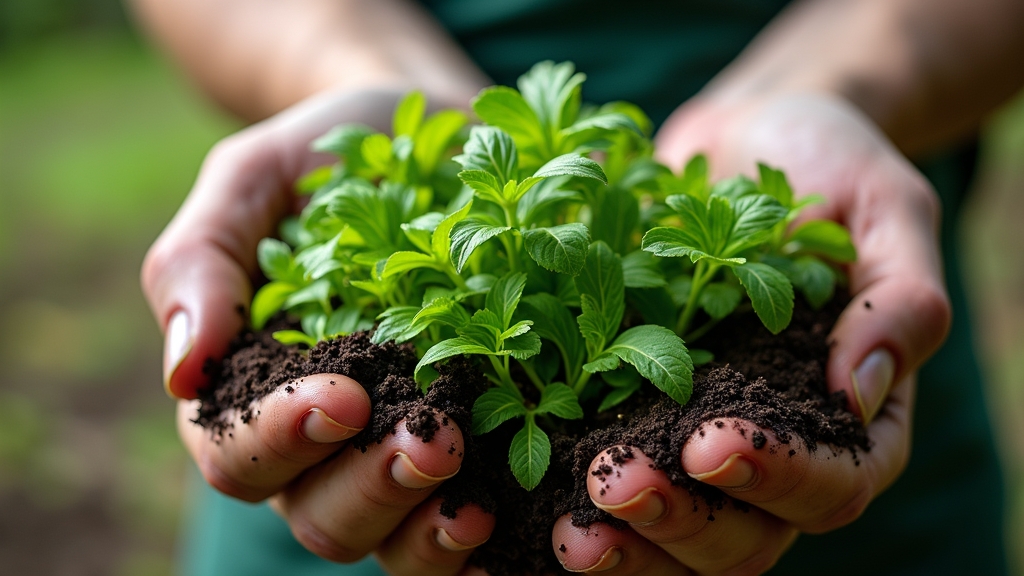
- Organic Amendments: Compost and high-quality mulch. Healthy soil makes for tough plants.
- Neem Oil or Insecticidal Soap: These are your targeted 'soft' options for when things get out of hand.
Preparation: Building a Pest-Resistant Foundation
This is where it gets interesting. Most pest issues start months before you see the first bug. In construction, we say a building is only as good as its foundation. In the garden, that foundation is your soil. A stressed plant emits chemical signals—basically a 'dinner bell'—for garden pests. If your soil is compacted, depleted, or poorly drained, you are inviting trouble.
The good news is that you can fix this. Start by testing your soil. If the pH is off or the nutrients are unbalanced, the plant's natural immune system won't function. I always tell folks to focus on drainage first. Standing water doesn't just drown roots; it attracts fungus gnats and provides a breeding ground for pests you don't want near your house. Ensure your garden beds have the right slope or are elevated enough to let excess moisture escape.
Detailed Step-by-Step Instructions for Organic Pest Control
Step 1: The Daily Walkthrough
Don't wait for a disaster. Spend ten minutes every morning with your coffee looking at the underside of leaves. This is where the eggs are. If you catch a cluster of squash bug eggs early, you can scrape them off with a fingernail. That's ten seconds of work that saves you ten hours of spraying later. Worth mentioning is that early morning is also when many pests are less active and easier to spot.
Step 2: Physical Barriers and Exclusion
On the other hand, if you know certain pests hit your area every year—like cabbage moths—don't wait for them to arrive. Use floating row covers immediately after planting. Secure the edges with landscape staples. If the bug can't reach the leaf to lay an egg, you’ve already won the battle without a single drop of pesticide.
Step 3: Encouraging Beneficial Insects
You want to build a 'standing army' in your garden. This means planting things like dill, fennel, and yarrow. These plants attract hoverflies and parasitic wasps. Something to keep in mind is that the adults of many beneficial insects actually feed on nectar, while their larvae are the ones eating your aphids. If you don't have flowers, the 'good guys' won't hang around.
Step 4: Targeted Intervention
If the population explodes, use the least toxic method first. A strong blast of water from a garden hose can knock off 90% of an aphid colony. If that doesn't work, use an insecticidal soap or neem oil, but only apply it in the late evening. This ensures the spray is dry before the bees and other pollinators come out the next morning. It’s about being surgical, not using a sledgehammer.
Common Mistakes to Avoid
What I’ve learned from thirty years of renovations is that the 'fast' way usually costs more in the end. One of the biggest mistakes is over-fertilizing with high-nitrogen synthetic products. This creates a flush of soft, sappy new growth that is like candy to garden pests. Slow-release organic compost is much better for long-term health.
Another mistake is planting a monoculture. If you plant ten feet of nothing but zucchini, the squash borer is going to have a field day. Break up your rows with different families of plants. It confuses the pests and makes it harder for them to move from one plant to the next. This is basic structural integrity for your garden.
Troubleshooting Common Issues
If you find that your organic pest control methods aren't working, look at the environment. Are the plants getting enough sun? Shade-stressed plants are weak targets. Is the mulch too thick and touching the stems? This creates a highway for earwigs and slugs to climb up and feast. Also, check your irrigation. Overhead watering late in the day keeps leaves wet all night, which invites fungal issues that weaken the plant's defenses against insects.
Tips for Best Results
- Rotate your crops: Don't plant the same family in the same spot two years in a row. Many pests overwinter in the soil.
- Clean your tools: I’ve seen diseases and microscopic pests travel from one yard to another on a dirty pair of shears. Wipe them with alcohol.
- Keep a journal: Write down when the first beetles appeared. Nature is cyclical; they’ll likely be back at the same time next year.
- Accept some damage: A few holes in a leaf aren't the end of the world. If you can't accept a little bit of nature, you're going to spend your whole life fighting a losing battle.