Understanding the Slug Challenge in Residential Gardens
As a property manager responsible for maintaining the curb appeal and structural integrity of dozens of homes, I have seen how a single wet spring can turn a lush landscape into a tattered mess. Garden slugs are particularly notorious for their ability to decimate ornamental plants like hostas and leafy vegetables overnight. While chemical pellets are a common quick fix, they often fail to address the underlying environmental factors and can pose risks to local wildlife and pets. Achieving long-term pest management requires a shift from temporary band-aids to sustainable, natural garden remedies.
Why Slugs Target Your Property
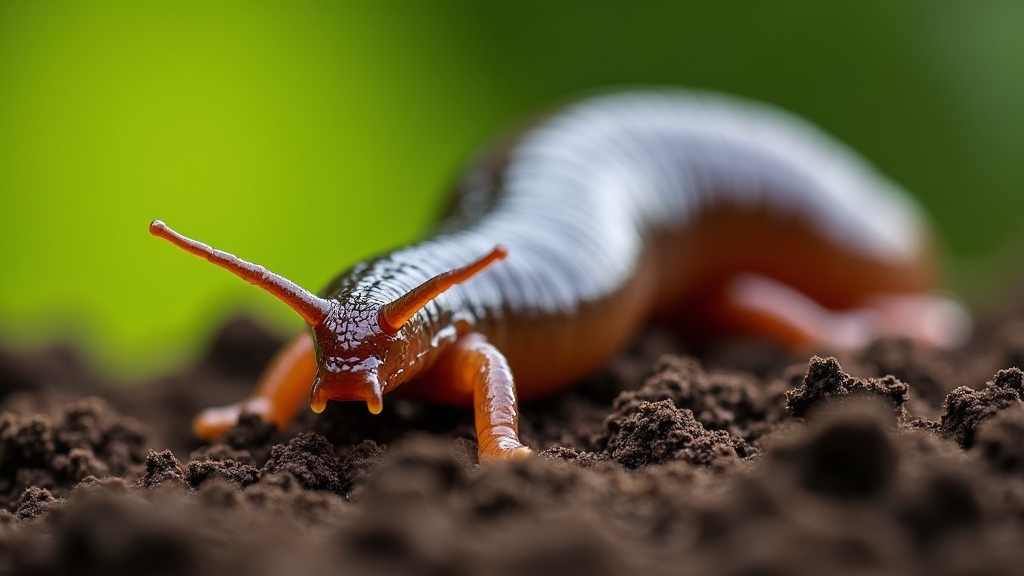
Slugs are moisture-seeking gastropods that thrive in damp, shaded environments. They are most active at night when humidity is high and temperatures are cooler. In a typical residential garden, they find refuge under mulch, decorative stones, and low-hanging foliage. Understanding their biology is the first step in effective management: they need moisture to survive and move, and they are highly sensitive to texture and certain natural scents.
When we look at protecting hostas and other vulnerable perennials, we aren't just looking for a one-time kill; we are looking to create an environment that is fundamentally inhospitable to these pests. This article compares the three primary categories of natural control: mechanical barriers, biological lures/traps, and environmental modifications.
Mechanical Barriers and Textural Deterrents
Mechanical barriers work by making it physically difficult or painful for slugs to reach their target plants. These are excellent for protecting specific high-value plants like hostas.
Copper Tape and Mesh
Copper is one of the few natural materials that provides a definitive physiological deterrent. When a slug's mucus comes into contact with copper, it reacts with the metal to produce a tiny electric charge. While not lethal, it is highly unpleasant, causing the slug to turn back.
- Pros: Long-lasting; once installed, it works for years; aesthetically discreet.
- Cons: Initial setup can be tedious; copper must be kept clean of debris to remain effective.
Diatomaceous Earth (DE)
Diatomaceous Earth consists of the fossilized remains of tiny aquatic organisms called diatoms. To a slug, these microscopic particles are as sharp as shards of glass, which can lead to desiccation and death if they crawl over it.
- Pros: Highly effective in dry conditions; provides minerals to the soil.
- Cons: Must be reapplied after every rain or heavy dew; can be messy to apply.
Abrasive Organic Mulches
Using rough materials like crushed eggshells, pine needles, or nut shells creates a jagged perimeter that slugs prefer to avoid. This method leverages the slug's need for a smooth surface for locomotion.
- Pros: Very low cost; recycles kitchen and garden waste; improves soil structure over time.
- Cons: Effectiveness is inconsistent; requires a very thick, continuous layer to work.
Biological Lures and Traps
Trapping is a proactive way to reduce the overall population of slugs in your garden rather than just protecting an individual plant.
Fermentation Traps
Slugs are naturally attracted to the yeast and sugars found in fermenting liquids. By burying a shallow container at soil level and filling it with a fermenting solution, you can lure slugs into the liquid where they drown.
- Pros: Highly effective at reducing large populations quickly; uses common household ingredients.
- Cons: Traps must be emptied and refilled every few days; the smell can be unpleasant if not maintained.
Shelter Traps
This is the simplest method: placing a flat board, damp cardboard, or a hollowed-out grapefruit half in the garden. Slugs will seek shelter under these items during the heat of the day, allowing you to manually collect and remove them.
- Pros: Zero cost; allows for the safe relocation of slugs if desired.
- Cons: Requires daily morning maintenance to be effective; only catches a fraction of the total population.
Environmental Modifications and Habitat Management
In my experience managing properties, the most successful long-term strategy involves changing the landscape to be less slug-friendly.
Smart Watering Practices
Slugs need moisture to move. By switching from overhead sprinklers to drip irrigation or soaker hoses, you keep the foliage dry while delivering water directly to the roots. Additionally, watering in the early morning rather than the evening allows the soil surface to dry out before the slugs emerge at night.
Strategic Plant Selection
While protecting hostas is a priority for many, choosing slug-resistant varieties can significantly reduce maintenance. Look for hostas with thick, waxy leaves (blue-leaved varieties are often tougher) or "substance," as slugs find these harder to pierce. Interplanting with strong-smelling herbs like rosemary, lavender, or sage can also act as a natural deterrent.
Cost and Efficacy Comparison
| Method | Initial Cost | Maintenance Level | Longevity | Efficacy |
|---|---|---|---|---|
| Copper Tape | Medium | Low | Very High | High |
| Diatomaceous Earth | Low | High | Very Low | Medium-High |
| Fermentation Traps | Very Low | High | Medium | Very High |
| Irrigation Changes | High | Very Low | Permanent | High |
| Eggshells/Mulch | Zero | Medium | Low | Low-Medium |
Best Use Cases by Scenario
Depending on your specific gardening situation, one method may be vastly superior to another. Here is how I recommend approaching common scenarios:
- For Raised Beds: Copper tape applied to the outer wooden perimeter is the most effective "set it and forget it" solution.
- For Large Vegetable Gardens: Diatomaceous earth combined with early morning drip irrigation provides the best coverage for the lowest cost.
- For Ornamental Hosta Beds: A combination of fermentation traps to reduce the population and a thick layer of coarse mulch around the base of the plants.
- For High-Rainfall Areas: Avoid powders like DE. Stick to copper barriers and fermentation traps that are covered with a small lid to prevent dilution.
The Property Manager's Final Recommendation
If you want a garden that thrives with minimal intervention, do not rely on a single method. The most successful approach is a "layered defense." Start by auditing your watering schedule; this is the single most common reason for slug infestations. Follow this by installing permanent copper barriers on high-value containers or beds. Finally, use shelter traps for two weeks every spring to knock back the breeding population before they have a chance to lay eggs. This holistic approach ensures that your garden remains a beautiful, healthy space without the need for recurring chemical applications.