Understanding Powdery Mildew in Small Spaces
If you have noticed white spots on leaves in your apartment garden, you are likely dealing with powdery mildew. This fungal disease looks like a dusting of flour. It often appears on zucchini, cucumbers, roses, and indoor herbs. In the tight quarters of an urban balcony or a windowsill, these spores spread quickly because airflow is often restricted.
Take your time with the identification process. It is worth doing right the first time because misidentifying the fungus can lead to using the wrong treatment. Powdery mildew is host-specific, meaning the type on your cucumber won't necessarily jump to your rose bush, but the conditions favoring it—high humidity and poor air circulation—affect every plant in your collection.
The Best Methods for Organic Garden Pest Control
When you want to stop powdery mildew without harsh chemicals, you have several reliable options. Below, we compare the most common natural treatments used by experienced gardeners.
1. The Baking Soda (Sodium Bicarbonate) Solution
This is perhaps the most famous homemade fungicide for plants. Baking soda increases the pH level on the leaf surface, creating an alkaline environment where the fungus cannot survive. However, baking soda alone does not stick well to leaves. You must mix it with a small amount of horticultural soap or organic dish liquid.
2. The Milk Spray Method
Using milk might sound strange, but it is a highly effective organic garden pest control technique. Scientists believe that proteins in the milk react with sunlight to create a brief antiseptic effect. This method works best in bright light. It does not just kill the fungus; it also boosts the plant's immune system.
3. Neem Oil Applications
Neem oil is a dual-purpose solution. It acts as both a fungicide and an insecticide. It comes from the seeds of the neem tree and works by coating the fungal spores, preventing them from spreading. It is a staple for any gardener dealing with persistent white spots on leaves.
4. Potassium Bicarbonate
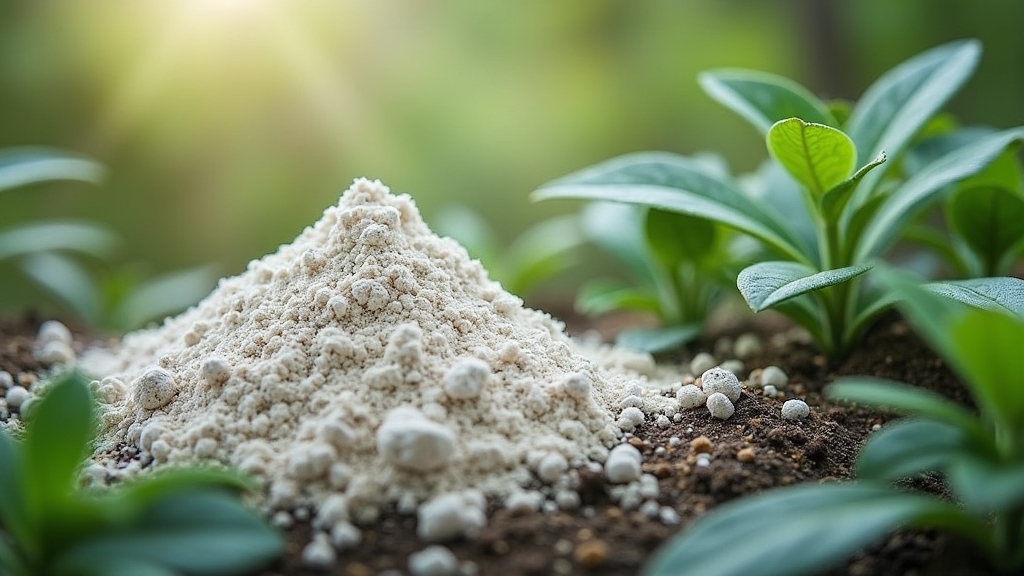
While similar to baking soda, potassium bicarbonate is often considered more effective for serious outbreaks. It is a contact fungicide that kills spores quickly. It is widely used in organic commercial farming and is safe for home use if you follow the dilution instructions carefully.
Detailed Pros and Cons
Baking Soda Spray
- Pros: Extremely inexpensive; ingredients are already in your kitchen; safe for pets.
- Cons: Can burn leaves if the concentration is too high; requires frequent reapplication after rain or watering.
- Example: Use this on your indoor basil at the first sign of a single white spot.
Milk Spray
- Pros: Very safe; provides some nutritional value to the plant; impossible to over-apply.
- Cons: Can produce a slight sour smell if used indoors; requires sunlight to be most effective.
- Example: This is ideal for a sunny balcony garden where aesthetics and scent are less of a concern than outdoors.
Neem Oil
- Pros: Long-lasting; kills other pests like aphids at the same time; organic and biodegradable.
- Cons: Has a strong, nutty, or garlic-like odor; can be toxic to bees if applied while flowers are in bloom; oil can burn leaves in direct mid-day sun.
- Example: Best for your balcony roses or ornamental plants that aren't for consumption.
Cost Comparison of Homemade Fungicides
Small details matter when you are gardening on a budget. Here is how these methods stack up:
- Baking Soda: Lowest cost. A standard box costs less than two dollars and makes dozens of gallons of spray.
- Milk: Low cost. You can use expired milk or powdered milk, which reduces waste.
- Neem Oil: Moderate cost. A small bottle of concentrate costs $10-$20 but lasts for several seasons.
- Potassium Bicarbonate: Higher cost. Usually sold in larger tubs ($20+), but it is the most potent organic option.
Best Use Cases for Each Situation
Trust your instincts on this one. If the plant looks fragile, start with the gentlest method. If the infection is widespread, you need something stronger.
For Seedlings and Herbs
Use the Milk Spray. Young plants are sensitive to the salts in baking soda. A mixture of 40% milk and 60% water is gentle enough for tender herb leaves like cilantro or parsley.
For Large Edible Crops (Zucchini and Squash)
Use Potassium Bicarbonate or Baking Soda. These plants have tough leaves that can handle the pH shift. Since these plants are prone to massive outbreaks, the low cost of baking soda makes it practical for large-scale spraying.
For Ornamental Indoor Plants
Use Neem Oil. It gives the leaves a nice shine and handles common indoor pests like spider mites that often appear alongside powdery mildew in dry apartment air.
How to Prevent Future Outbreaks
Treatment is only half the battle. To truly stop powdery mildew, you must change the environment. In apartment gardening, this usually means three things:
- Increase Airflow: Do not crowd your pots. Space them out so leaves do not touch.
- Water the Soil, Not the Leaves: Wet foliage is an invitation for fungal spores. Use a long-necked watering can to reach the soil directly.
- Prune Early: If you see a heavily infected leaf, clip it off immediately and throw it in the trash—not the compost.
Final Recommendation
If you are just starting out, start with the Milk Spray. It is the safest for the plant and the hardest to mess up. If the white spots on leaves persist after two treatments, move up to a Baking Soda or Neem Oil solution. Remember, consistency is key. Treat your plants every 7 to 10 days until the symptoms are gone.