Building a Foundation for Fruit Gardening
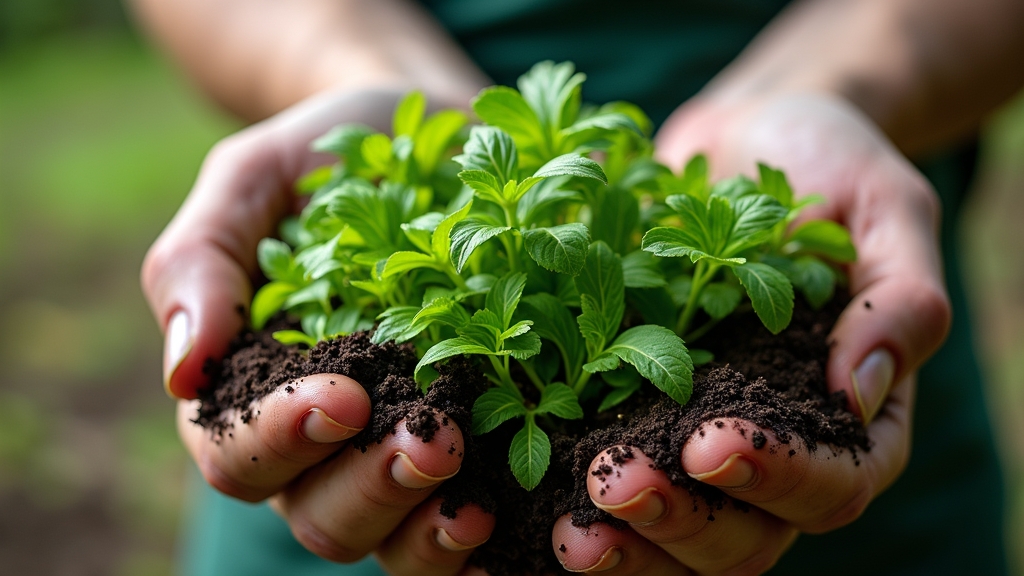
After 30 years in the construction business, I’ve learned one thing that applies to both houses and gardens: your foundation is everything. If you build a house on unstable soil, the walls crack. If you plant blueberry bushes in the wrong soil, they fail to thrive and eventually die. Most people see a green thumb as a gift, but in my experience, it is actually about chemistry and preparation.
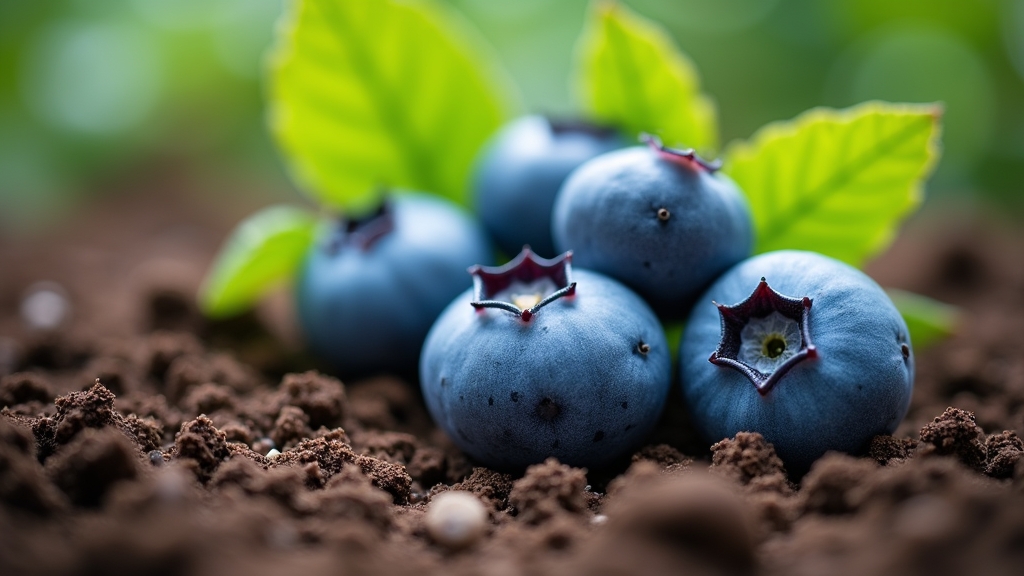
Blueberries are what we call acid loving plants. While most garden vegetables prefer a neutral pH around 7.0, blueberries require a much more acidic environment, specifically between 4.5 and 5.5. Here is the thing: most residential backyards sit somewhere between 6.0 and 7.5. If you just dig a hole and drop a plant in, you are wasting your money. To get a harvest, you have to engineer the soil just like you’d engineer a subfloor.
The Two Primary Methods for Blueberry Success
When you decide to add blueberries to your property, you generally have two paths: amending your existing ground soil or building raised beds. Both have their merits, but the costs and labor requirements differ significantly. Let’s look at how these options stack up for a standard starter patch of four bushes.
Option 1: In-Ground Soil Amendment
This method involves changing the chemistry of the dirt you already have. It is the most common approach, but it requires patience. You cannot change soil pH overnight. Now, the important part: you need a soil test before you buy a single bag of sulfur. You wouldn't start a renovation without a blueprint, and you shouldn't dump chemicals into the earth without a baseline measurement.
- Pros: Lower upfront material costs; plants can establish deep root systems; less watering required than raised beds.
- Cons: Takes 6-12 months to adjust pH; requires ongoing maintenance; difficult if your native soil is heavy clay or high-alkaline limestone.
Option 2: Raised Bed Construction
This is my preferred method because it gives you total control. Instead of fighting the native soil, you build a container and fill it with a custom mix designed specifically for blueberries. This is where it gets interesting: you can plant immediately because you aren't waiting for chemical reactions to take place in the ground.
- Pros: Perfect drainage control; immediate planting; easier on the back; better protection from some pests.
- Cons: Higher initial construction costs; requires more frequent watering; materials like cedar can be expensive.
Detailed Cost Breakdown
What most people miss is the long-term cost of maintaining these plants. A blueberry bush can produce fruit for 30 to 50 years if you treat it right. Let’s look at the realistic numbers for a 4-bush setup (approximately 50 square feet).
The In-Ground Approach
For in-ground planting, your main costs are amendments and testing. A professional soil test usually runs about $20. Elemental sulfur to lower the pH costs roughly $15 per bag. You will likely need two bags for a small patch. Add in some peat moss or pine bark mulch for organic matter ($40), and your total material cost for preparation is around $90. The plants themselves usually cost $20-$30 each for 2-year-old varieties. Total project cost: ~$200.
The Raised Bed Approach
This is where the contractor mindset comes in. A 4x12 foot raised bed made of rot-resistant cedar will cost about $150 in lumber and hardware. To fill that bed with a 50/50 mix of peat moss and acidified potting soil, expect to spend another $150. Including the four plants, your total upfront cost jumps to about $420. The good news is that your success rate is much higher because you've removed the variables of poor native soil.
Best Use Cases: Choosing Your Path
On the other hand, you don't always need to spend the big bucks on raised beds. If you live in an area with naturally sandy, acidic soil (like parts of the Pacific Northwest or the Atlantic coastal plain), you are already halfway there. In that situation, in-ground planting is a no-brainer.
However, if you are in the Midwest or Southwest where the soil is often alkaline and heavy, trying to fix the ground is a losing battle. The soil will constantly try to revert to its natural pH. In these regions, I always recommend building a raised bed or even using large 15-gallon containers. Worth mentioning: if you choose containers, use a lightweight potting mix, as garden soil becomes too compact for the delicate, fibrous roots of blueberry bushes.
The Contractor's Final Recommendation
Something to keep in mind is that fruit gardening is a marathon, not a sprint. If you want the highest return on investment with the least amount of frustration, build a raised bed. It acts like a controlled environment. You can mix exactly what the plants need: one part peat moss, one part aged pine bark, and one part quality compost. This mix stays loose and acidic, which is exactly what blueberry bushes crave.
If you are on a tight budget, go the in-ground route, but start a year before you want to plant. Use that time to aggressively mulch with pine needles and apply elemental sulfur according to your soil test results. It takes time for the bacteria in the soil to convert that sulfur into the acidity the plants need.
Final Maintenance Tips
Once you've got the soil right, don't let it dry out. Blueberries have shallow roots and no root hairs, meaning they are very sensitive to drought. Mulch them heavily with 3-4 inches of wood chips or pine needles. This keeps the moisture in and continues to feed the acidity of the soil as the mulch breaks down. Treat your garden like a job site: keep it clean, keep it organized, and check your specs (the pH) at least once a year.